The Ministry of Digital Development has confirmed that it is working on a mechanism for additional tariffs on international mobile traffic. Apparently, blocking familiar apps due to VPN didn’t work, and it was decided to act more strictly. Now it’s not just about VPN: any traffic going through foreign servers could fall under the new rules. The limit being discussed is 15 GB per month, and operators could charge up to 150 rubles for each extra gigabyte. For Android smartphone users who use Google services, messengers, and streaming platforms every day, this could mean a real increase in mobile internet costs. But that’s not the only thing to worry about.

All international traffic could become paid, not just VPN
Paid International Traffic: What Does It Mean
The Association of Telecom Companies received a letter from the Ministry of Digital Development in which the agency confirmed: the parameters for additional tariffs on international traffic for mobile users are being developed. Specific limits and tariffs have not yet been approved. But there will be charges: either to the operator or to Pavel Durov, who recently made Telegram work in Russia even without VPN.
The essence of the initiative is this: the head of the Ministry of Digital Development, Maksut Shadaev, at closed meetings with telecom operators, asked them to introduce fees for using more than 15 GB of international traffic per month on mobile networks. The deadline was set for May 1, 2026. However, operators requested a delay: it’s technically impossible to configure billing systems for 180 million users in one month. According to expert forecasts, a compromise deadline could be September 1, 2026, or in the worst case — 2028.
An important detail: all of this applies only to mobile communications. The Ministry of Digital Development’s letter says nothing about home wired internet.
International Traffic: Which Sites Are Affected
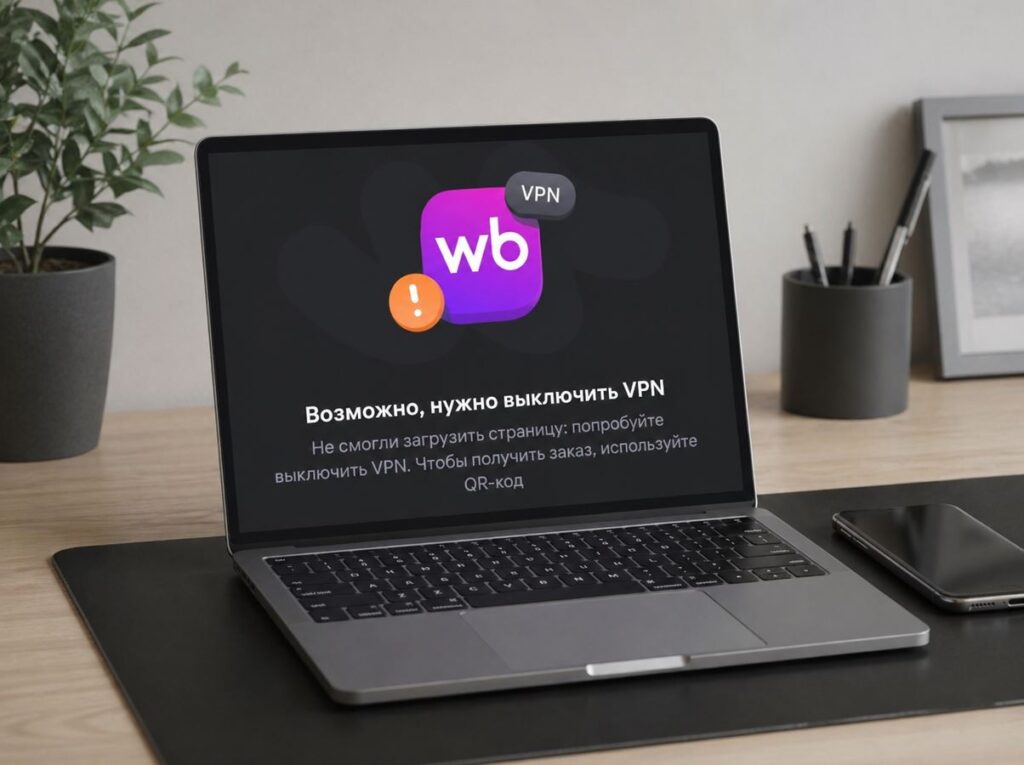
The Ministry of Digital Development explained why Russian apps don’t work with VPN
The main problem is that operators cannot isolate VPN traffic separately. To billing systems, it looks exactly like regular international traffic. This means charges will be applied to the entire volume of data passing through foreign servers, regardless of whether you’re using a VPN or not.
The international traffic zone includes:
- Any websites and services hosted abroad
- VPN connections of any type
- Foreign cloud services, including Google Drive, Gmail, Google Photos
- Streaming from foreign platforms (YouTube, Spotify, and similar)
- App and OS updates if servers are located outside Russia
At the same time, some Russian services also use foreign IP addresses and foreign plugins. For example, Google’s visitor counter. As experts rightly point out, determining which traffic should be considered international is technically difficult in a number of cases. This creates the risk of false positives — when money is charged for “foreign” traffic even though the user was visiting a Russian website.
But that’s not all. The operating systems we’re used to — such as iOS and Android — are literally entirely dependent on foreign traffic, since they use push notification systems, app stores like App Store and Google Play, update systems, and much more. Thus, virtually all mechanisms of these operating systems could become paid.
How Much Will International Traffic Cost
According to media reports, a tariff of 100–150 rubles per gigabyte over the 15 GB limit is being discussed. According to another estimate, operators may set more lenient tariffs — no more than 250 rubles for the entire 15 GB. But there are no specific figures yet — the agency only confirms the fact that the mechanism is being developed.
If we take the upper estimate of 150 rubles per gigabyte, then for a user who uses an extra 30 GB beyond the limit (for example, actively watching YouTube via VPN), the additional monthly expense would be about 4,500 rubles. With a constantly enabled VPN and no split tunneling, expenses, according to Habr’s calculations, could reach up to 10,000 rubles per month.
Will VPN Become Paid Under the Ministry’s Tariffs
Formally — no. The use of VPN itself is still not prohibited by Russian law. The Ministry of Digital Development is against introducing administrative liability for VPN, although the head of the agency has not ruled out such a possibility.
In practice, the strategy is different: to make VPN economically unprofitable for the average user. Since all VPN traffic by definition goes through foreign servers, it entirely falls under the international traffic limit. The more you use VPN on mobile internet, the more you pay.

Ozon and Wildberries don’t work with VPN? That’s not even the worst part
A second pressure mechanism is working in parallel. Starting April 15, 2026, the largest Russian services — Yandex, VK, Sber, Ozon, Wildberries, Avito, and others — began restricting access for users with VPN enabled.
Who Should Prepare for Paid International Traffic Now
The new measure, if adopted, will primarily affect three categories of users:
- Those who constantly keep VPN enabled on their smartphone — all their mobile traffic will become “international”
- Active YouTube viewers on mobile internet — high-quality video will quickly eat up the limit
- Users who work via mobile networks with foreign cloud services, neural networks, and corporate VPNs
For those who use mobile internet moderately and only turn on VPN occasionally for specific tasks, 15 GB will most likely be more than enough.
The main thing to understand right now: there are no specific tariffs, no regulatory documents, and no exact launch dates at this point. Operators are requesting a delay, technical issues are unresolved, and billing systems are not ready. This is still at the discussion stage, not a done deal. But the direction has been set quite clearly — mobile internet in Russia is moving toward a split into “domestic” and “international,” and the latter will cost more.