Apple has been using a process called chip binning — sorting chips by their actual capabilities — for many years. If a processor fails quality control for one device, it isn’t thrown away but is placed in another device where it fits. This is done not only in the new MacBook Neo, which has already run out of defective chips, but also in a whole range of popular Apple devices. It all started with the original iPad and iPhone 4. The most interesting part is that other companies have adopted this practice, which has allowed them to expand their product lineups in all directions.
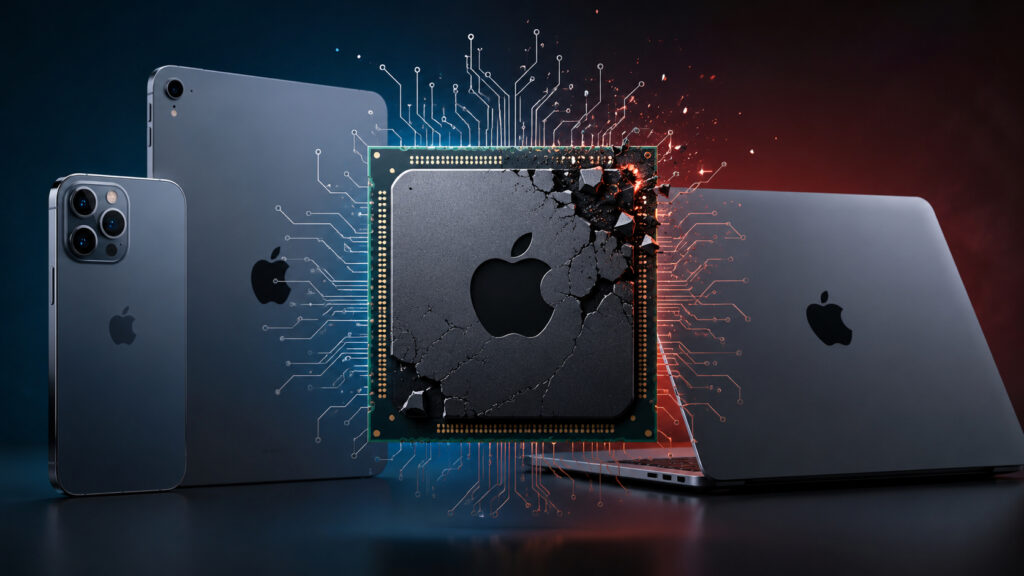
Using flagship chips with defects in cheaper devices has long become the norm
What Is Processor Binning and Why Does Apple Use It
The concept is simple: not all chips come off the factory line identically. Some processors on the production line come out with defects — for example, one of the graphics cores doesn’t work. Throwing away such chips is expensive, so Apple selects them, labels them as a simpler version, and installs them in more affordable models.
This practice was first noticed in 2020 with the release of the MacBook Air with M1. The base model was priced at $999 and had graphics with 7 cores, while the $1,249 version had a full 8 cores. It turned out that Apple hadn’t ordered a separate “trimmed-down” chip from TSMC: the cheaper model received those very processors where one graphics core didn’t pass inspection. The benefit for Apple is savings on manufacturing waste and a lower final price for the buyer.
iPhone 16 Pro Processor in MacBook Neo
It was precisely binning that allowed Apple to offer the MacBook Neo at an attractive price. The laptop uses A18 Pro chips that were rejected for installation in the iPhone 16 Pro — only five out of six graphics cores were working. For a smartphone, this was considered a defect; for a lightweight laptop, it was a perfectly viable option.
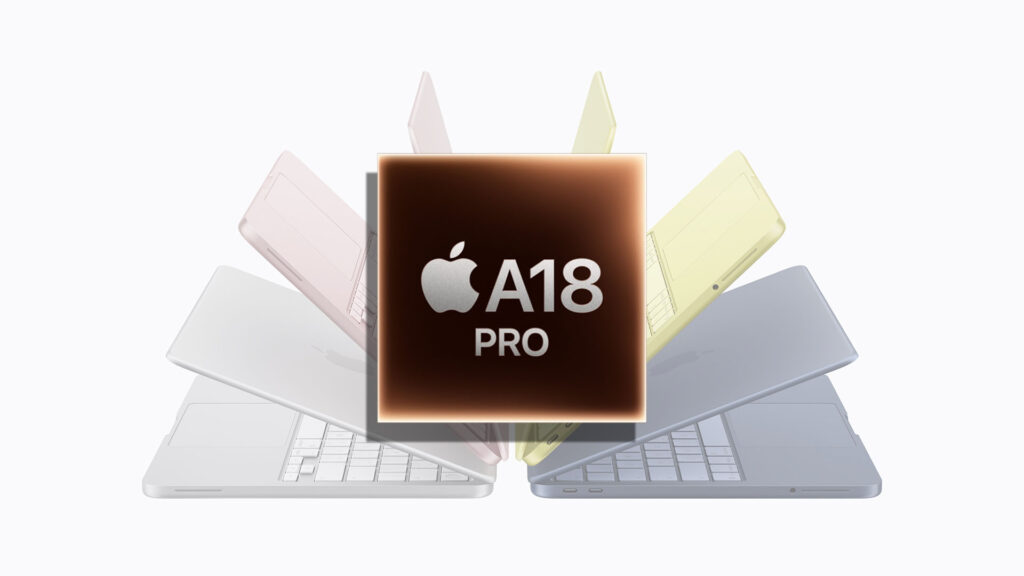
MacBook Neo is one of the prime examples of binning
The strategy turned out to be almost too successful: demand for the MacBook Neo was so high that the company exhausted its entire supply of rejected chips from iPhone 16 Pro production and is now forced to order new batches. Formally “defective” processors have to be specifically manufactured — demand exceeded the amount of actual rejects. Here are five more current products built on rejected processors:

Yes, the iPhone Air that costs a thousand dollars also has a defective processor
- A15 Bionic — in iPhone SE
- A17 Pro — in iPad mini
- A18 — in iPhone 16e
- A19 — in iPhone 17e
- A19 Pro — in iPhone Air

Apple TV and HomePod at different times received chips that weren’t suitable for mobile devices
The list is incomplete. Apple has been using this approach since the days of the original iPad and iPhone 4. Back then, A4 chips that consumed too much power for a battery-powered smartphone worked perfectly in the Apple TV — the set-top box runs from a wall outlet, and power consumption isn’t critical there. A similar story happened with less efficient S7 chips: they were originally made for Apple Watch but ended up being installed in the second-generation HomePod.
How Intel, AMD, and NVIDIA Sell Chips with Disabled Cores
Apple is far from the only company that uses binning. This approach is a standard in the semiconductor industry, and the most well-known example is Intel.
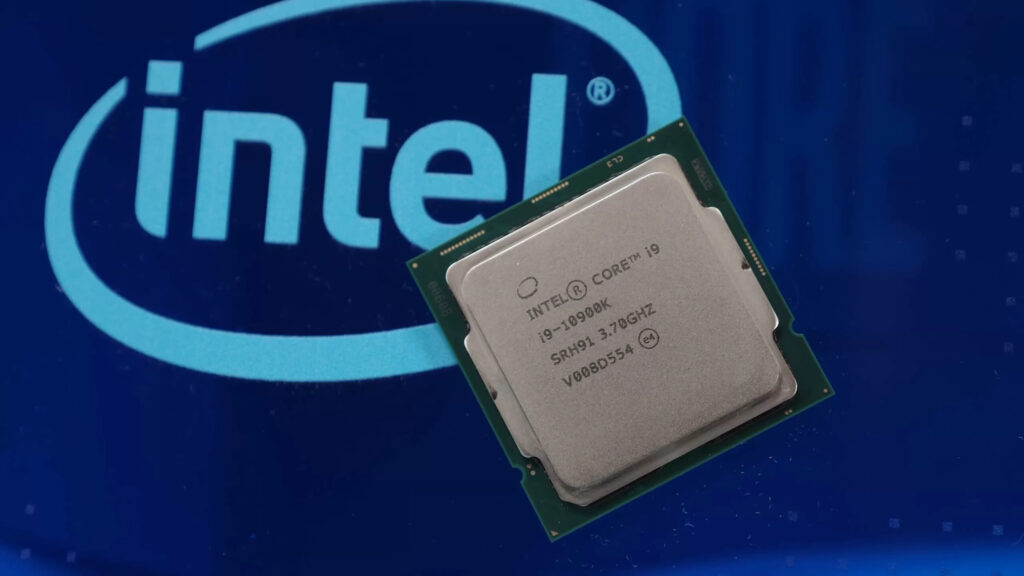
Other chip manufacturers don’t shy away from this approach either
When Intel manufactures a Core i9-10900K processor with 10 cores and integrated graphics, not every chip passes full inspection. If two cores and the graphics block turn out to be defective, Intel disables them and labels that die as a Core i7-10700F — a model without integrated graphics with 8 cores. If even in this configuration the processor can’t sustain the required clock speeds, two more cores are disabled and it’s sold as a Core i5. One and the same silicon die can potentially become any of 19 different processors in the 10th generation lineup.
AMD operates in a similar fashion. For example, the Ryzen 9 7950X is a 16-core flagship that passed the strictest selection. The Ryzen 9 7900 is a 12-core processor with disabled cores and lower power consumption, produced from the same silicon. Even the difference between the Ryzen 5 7600 and 7600X is essentially the result of quality sorting.
The same picture exists in the world of graphics cards. The NVIDIA GeForce RTX 4090 and RTX 4080 are built on the same AD102 chip, but in the 4080, some CUDA cores are disabled and the power limit is reduced. Dies that didn’t pass selection for the RTX 4080 Super are downgraded to RTX 4070, and those that weren’t suitable for the RTX 4070 Super become RTX 4060.
The Impact of Defective Processors on iPhone, iPad, and Mac Performance
The main question: should you worry if your device has a “rejected” chip? The short answer is no. This isn’t a defect in the everyday sense and doesn’t mean that the device will work worse or break sooner. The chip simply didn’t meet the highest requirements for a specific model but fully meets the requirements of the one it’s installed in. Apple, Intel, and NVIDIA sell devices with honestly stated specifications — for example, the 5-core graphics in the MacBook Neo is listed right in the spec sheet.