
Constant friction and blows to the head during fighting damage blood vessels in the ear
If you’ve ever watched MMA fights or freestyle wrestling, you’ve probably noticed the strangely deformed, lumpy ears on experienced athletes. This phenomenon is called “cauliflower ear” — and it occurs among athletes in contact sports with striking frequency. In one study, over 90% of participants suffered from some form of this condition. Let’s break down what exactly happens inside the ear and why wrestlers and fighters are so prone to this injury.
What Is Cauliflower Ear
“Cauliflower ear” is the common name for what happens when an auricular hematoma (a collection of blood in the outer ear) isn’t treated in time. The word “hematoma” itself refers to a mass of clotted or pooled blood that forms inside the body in a closed wound — usually due to a ruptured blood vessel after a blow or injury.
The logic is straightforward. Blood leaks from the damaged vessel, but there’s no external wound, so the blood has nowhere to go. It pools and clots in one spot, forming that very hematoma. Essentially, it’s very similar to a regular bruise — only instead of under the skin somewhere on your leg, it’s in the cartilage of the ear.
It’s important to understand that hematomas vary in severity. When they become larger or a person loses more blood, they may require urgent medical attention. Pooled blood can create pressure inside the body and interfere with nearby organs — for example, hematomas inside the skull pressing on the brain can be life-threatening. Against that backdrop, ear hematomas are among the most harmless.
Why Wrestlers and MMA Fighters Suffer From Cauliflower Ear Most Often
The main reason is the nature of the injuries themselves. Blows and friction to the side of the head that MMA fighters, boxers, wrestlers, and rugby players receive during training and competition often rupture blood vessels inside the ear. Blood begins to pool under the skin of the ear.
The more blood leaks into the affected area, the stronger the reaction. The ear becomes inflamed, swollen, red, and painful. It’s precisely this crumpled, lumpy appearance — resembling the uneven surface of cauliflower florets — that gave the condition its name. According to the Oxford English Dictionary, the term has been in use since at least the early 1900s.
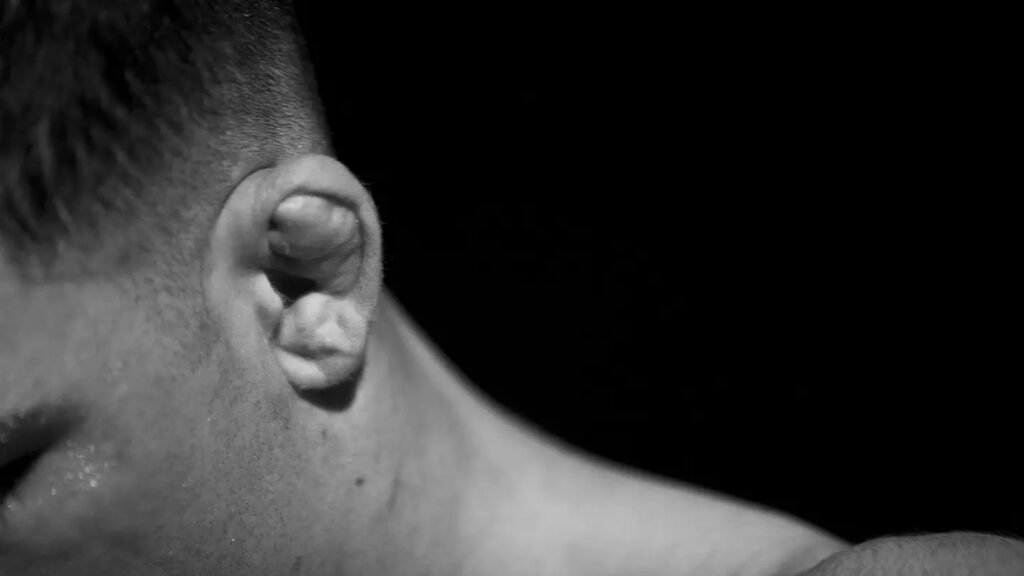
A boxer’s ear. Constant friction and blows to the head during fighting damage blood vessels in the ear
This is precisely why the injury is so common in disciplines where the head constantly comes into contact with an opponent, the mat, or a glove.
When Ear Deformation in Fighters Becomes Irreversible
An ear hematoma itself isn’t as dangerous as other hematomas in the body, but without timely treatment, things can end badly. The swelling can turn into a permanent deformation — which is why many boxers, rugby players, and other athletes live with such ears long after their careers are over.
The mechanism is simple: if the pooled blood isn’t removed, it disrupts the cartilage’s blood supply and the ear’s shape, and the tissue gradually “sets” in its distorted form. The longer the blood remains inside, the higher the risk that the ear will never return to its former appearance.
Treatment and Prevention of Cauliflower Ear
The good news is that a fresh ear hematoma can be stopped if you act quickly. Treatment usually involves several steps.
- Immediately apply cold to the fresh injury to reduce swelling and bleeding.
- Insert a drain or catheter to release the pooled blood.
- Remove any formed clots before they “lock in” the deformation.
If everything is done in time, the ear has a good chance of maintaining its normal shape. Many fighters use special protective headgear for prevention and try to respond to the first signs of swelling as early as possible.
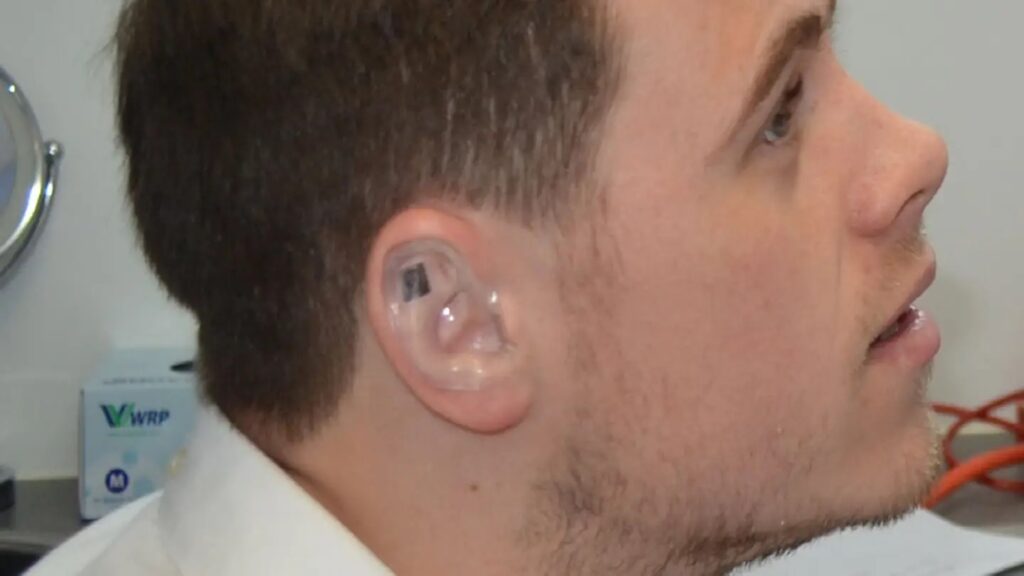
A man with cauliflower ear prevention
And here’s one more reassuring point: even if the hematoma goes untreated, the long-term consequences are usually only cosmetic. That is, a deformed ear looks unusual, but on its own, it generally doesn’t threaten health or hearing.
So if you practice contact sports or simply got a noticeable ear swelling after a blow, don’t wait. Early cooling and a visit to the doctor can preserve your ear’s normal appearance, while delay risks leaving a “signature” lumpy mark for life.