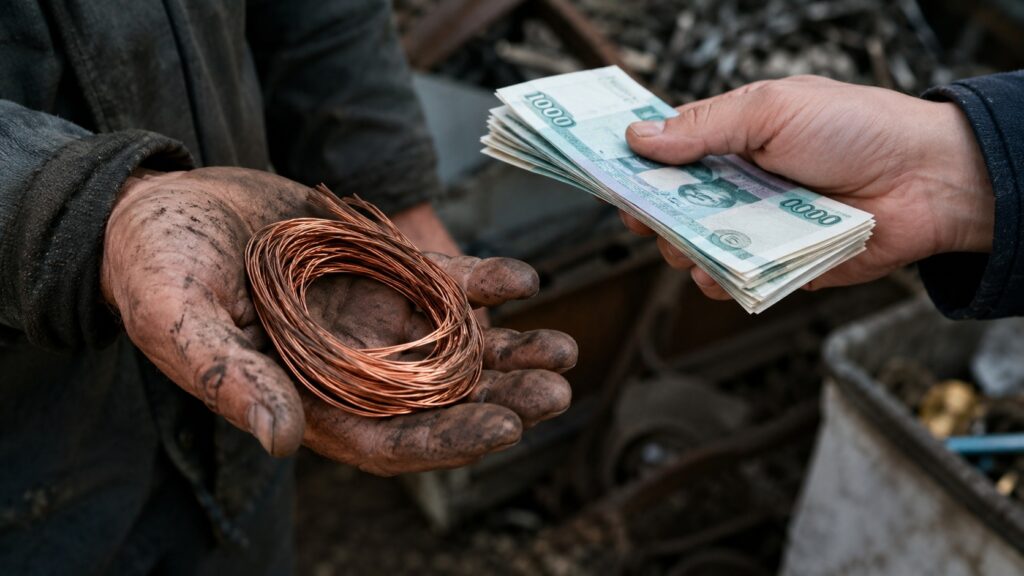
Copper remains the simplest choice for ordinary people, but there are more expensive metals
Many people believe that the most expensive metal to sell is copper. At scrap metal collection points in 2026, pure copper fetches 600 to 900 rubles per kilogram. But there are many metals and alloys in the world, and some cost more: for example, nickel goes up to 950 rubles per kg, and ferromolybdenum starts at 1,000 rubles. However, a high price per kilogram doesn’t mean you’ll easily find such scrap and quickly sell it. We figured out what you can actually make money on and what will only earn you pennies.
The Most Expensive Industrial Alloys
If you look at current price lists from Russian scrap collection companies, the absolute leader in price is not copper but industrial metals. For example, the price per kilogram of tungsten can reach 4,500–5,200 rubles. VK and TK alloys are especially valued — they can be found in old lathe cutters, drill tips, and cutting tools.
Next comes molybdenum, which is valued at approximately 2,700–3,500 rubles per kilogram. However, the main problem lies here: a piece of such metal cannot be reliably identified by eye. It looks similar to ordinary high-speed steel, which is worth pennies. Moreover, such alloys are almost never found in everyday life, so only those with legal access to old industrial tools can profit from them.
The Value of Electronic Scrap and Tin
Few people know, but old electronics can sometimes be worth more than any non-ferrous metal. In the price lists of Ural companies that publish acceptance statistics, old ceramic processors are valued at up to 21,500 rubles per kilogram. Laptop circuit boards and RAM also bring noticeable income when sold in bulk.
Another undervalued material is tin and its alloys. For example, pure Babbitt B-83 costs about 2,200 rubles per kilogram. Regular solder is evaluated by its tin content — the higher the number in the marking (for example, POS-90), the more you’ll be paid.
How Much Does Copper Cost and How to Sell It
Despite the impressive figures for rare alloys, the most profitable metal for an ordinary person remains copper. As of summer 2026, pure copper costs about 750–885 rubles per kilogram.
Copper’s main advantage is that it’s easy to find and identify:
- thick electrical wires and power cables;
- windings of old electric motors and transformers;
- gas water heaters, heat exchangers, and copper pipes.
It’s worth noting that you shouldn’t burn wires on a bonfire. First, the smoke from insulation is toxic. Second, burned copper is often accepted at a lower price than clean, shiny copper. Collection points find it much easier to cut the cable, calculate the percentage of pure copper yield, and pay for its actual weight.
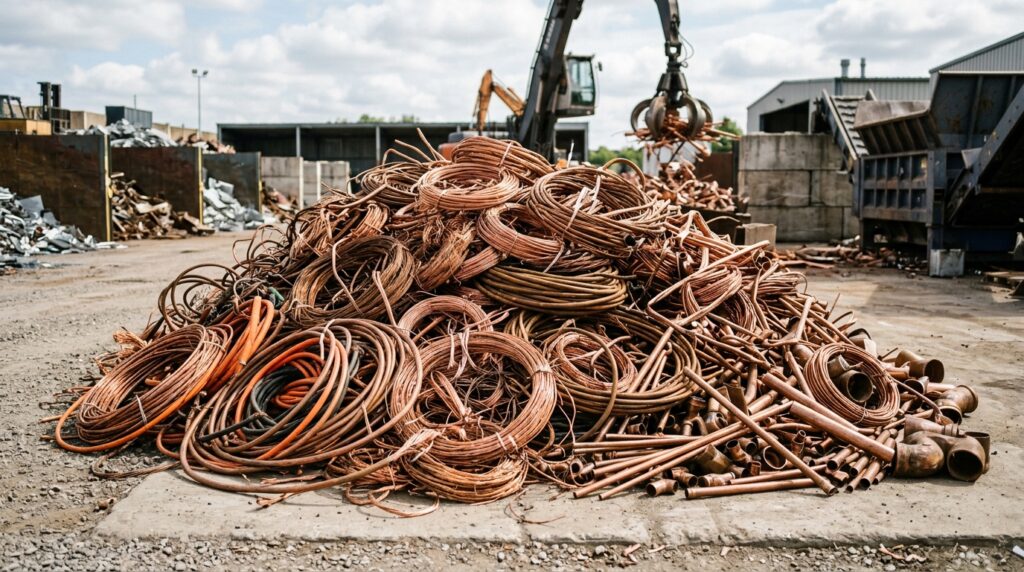
Stripped copper wires remain the most popular source of income from scrap metal
Brass, Aluminum, and Ferrous Metal
Right after copper come brass and bronze. For old faucets, door handles, radiator tubes, and valves, you can get 480–580 rubles per kilogram. Before selling, make sure to remove steel bolts and plastic parts; otherwise, the entire batch will be assessed under the cheaper “mix” category.
Aluminum is worth significantly less — from 90 to 254 rubles. Collecting cans for profit is pointless, as they are too light and bulky. It’s much more profitable to sell aluminum profiles left over from renovations or old car rims. Four such rims can be worth almost 6,000 rubles.
As for ferrous metal (steel, cast iron), its price rarely exceeds 18 rubles. Selling it only makes sense in tons — when clearing a plot or during large-scale demolition.
Rules for Scrap Metal Collection for Individuals
In recent years, the legislation has changed significantly. According to current regulations, all payments to individuals are made exclusively via cashless methods. Cash payments for scrap are prohibited, so money is transferred to a bank card or through the Fast Payment System.
To process the paperwork at a collection point, you’ll need your passport. Additionally, if you sell metal for more than 250,000 rubles per year and the property was owned for less than three years, you may be required to pay income tax at a rate of 13%.
As specialists from large regional collection networks note, before visiting, it’s better to send photos of your scrap to several places in advance. Clarify which exact category will appear on the receipt and what percentage they’ll deduct for so-called “contamination.”
In theory, the biggest money lies in tungsten and molybdenum, but in practice, copper and brass remain the main sources of real income. The key is to sort the metal properly, avoid trying to sell suspicious property, and agree on conditions with collectors in advance to avoid losing money on hidden fees.