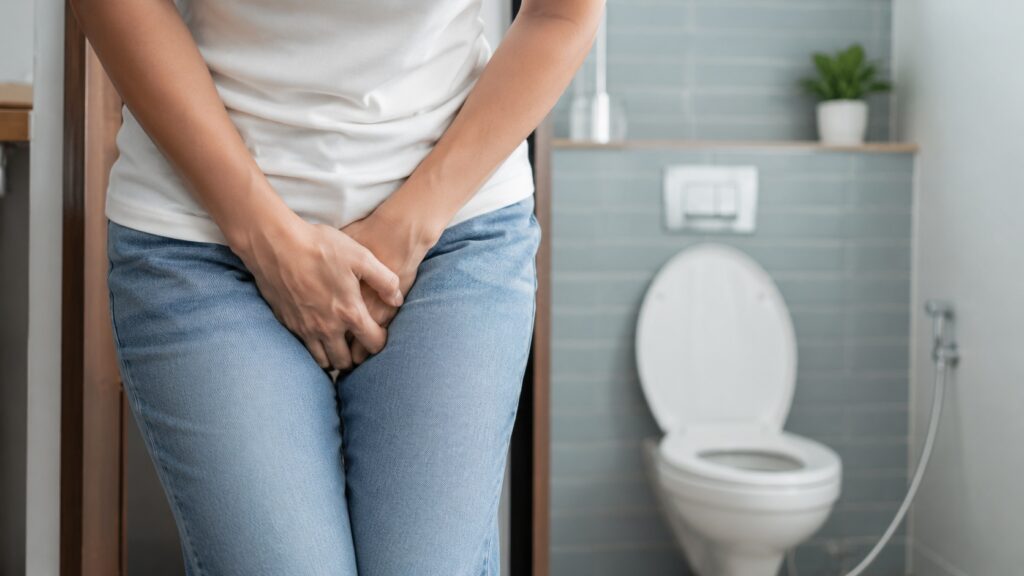
Your bladder won’t burst from holding it too long, but health problems will definitely arise
Everyone has held it in at least once when there was no opportunity to use the restroom. There’s nothing terrible about that if it happens rarely. But when the habit of postponing a trip to the bathroom becomes regular, your bladder starts operating in overload mode and you get the feeling it’s about to burst. Its walls are constantly stretched, internal pressure increases, and over time this can cause bladder problems. We looked into exactly what these problems are and whether it’s worth holding it until the last moment at all.
Why You Shouldn’t Hold Your Urine
The most common problem for those who like to delay their visit to the restroom is urinary tract infections. Urine shouldn’t remain inside the body for a long time. The longer the fluid stagnates, the more comfortable bacteria feel and they begin to actively multiply.
If you’re wondering why cystitis occurs in seemingly healthy people, incomplete bladder emptying is one of the main risk factors. The infection can take hold on the walls of the organ. And if the bacteria travel higher up the urinary tract, this can lead to kidney inflammation. This is discussed on the MSD Manual website.
This is exactly why doctors recommend emptying your bladder every 3–4 hours, not giving microbes a chance for uncontrolled reproduction.
Can the Bladder Stretch If You Hold It Frequently?
The bladder is a muscular sac. The main role in its function is played by the detrusor muscle of the bladder, a muscle that contracts to push fluid out. If the organ is constantly overstretched due to a huge volume of fluid, this muscle can weaken and begin to function poorly.
As a result, a person faces an unpleasant paradox. They hold it in to go less frequently, but end up needing to go to the bathroom more often. A weakened bladder cannot push out all the fluid at once, and urine always remains inside.
Because of this, the organ fills up again more quickly, becomes irritated, and sharp, unbearable urges to urinate appear — literally just drops. Sometimes this leads to fluid leaking on its own, and this is how overflow incontinence develops, where it becomes impossible to urinate normally.
Can Bladder Stones Form and Can Your Kidneys Be Affected?
Holding it for a long time by itself doesn’t create stones out of thin air. But chronic fluid stagnation significantly changes its chemical composition. Salts begin to precipitate, which together with frequent inflammation creates an ideal environment for the formation of stones in the urinary tract.
It’s even more dangerous if the problem moves higher. With regular and severe fluid retention, the pressure inside the system increases so much that urine can be pushed back into the ureters. Such disruption of urine flow can damage the kidneys and in severe cases trigger kidney failure.

Chronic fluid retention can negatively affect kidney health
Can Your Bladder Burst?
This is one of the most popular urban myths. In a normal everyday situation, a healthy organ won’t explode inside you simply because you’re stuck in traffic. Protective mechanisms will kick in, and you’ll either experience such severe pain that you’ll drop everything, or uncontrolled urination will occur.
However, an overfilled organ becomes very vulnerable to external physical impact. In the case of a strong blow to the abdomen or a car accident, the risk of rupturing an overfilled bladder is real. That’s why it’s always better to visit the restroom before a long trip.
When to See a Doctor for Bladder Problems
A healthy person just needs to rely on common sense and not push themselves to the point of shaking knees.
But there are symptoms where a visit to a urologist cannot be postponed:
- you feel a strong urge but can’t squeeze out a single drop;
- you experience stinging, burning, or sharp pain in the lower abdomen;
- your urine has become cloudy, developed a strong odor, or contains blood;
- along with frequent urges, you develop a fever and lower back pain.
People with diabetes, neurological conditions, prostate enlargement, or frequent cystitis need to be especially careful. For them, the habit of holding off going to the bathroom leads to complications much more quickly.
Our body is designed to handle temporary difficulties, so holding it once during a meeting isn’t scary. But making it a habit is definitely not worth it. By regularly overloading your bladder, you risk developing a whole range of problems — from annoying infections to stone formation. Listen to your body, try to empty your bladder every few hours, and it will reward you with long and uninterrupted function.