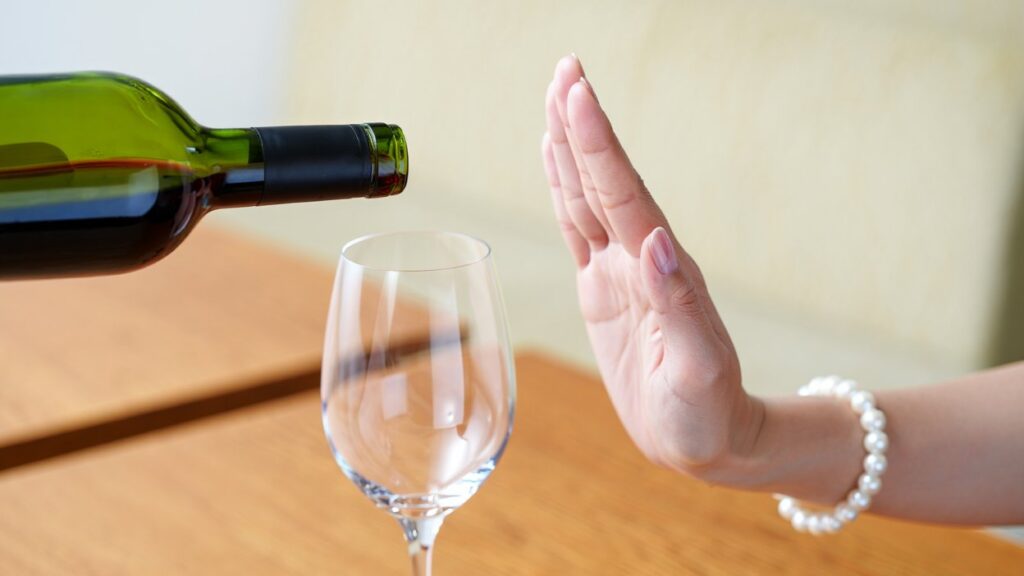
What happens if you don’t drink for a whole month? Image source: narkology.pro
Most promises to yourself don’t yield quick results and require months of work. In a month, it’s hard to noticeably lose weight or build muscle. But giving up alcohol for one month is something many people feel quite quickly — without scales or blood tests. Abroad, this experiment is called “Dry January”: a person cuts out alcohol for a month and monitors their condition. Especially since the brain begins to recover within the first few days after quitting. Below are six changes you can notice during this time. Of course, in a month the body won’t completely rebuild itself, and some effects will disappear once old habits return.
Mood Improves: Alcohol Is a Depressant
It sounds strange: a glass of wine seems to relax you. But biochemically, alcohol is classified as a depressant — a substance that suppresses the nervous system. While the intoxication lasts, a person feels relaxed. When the effect wears off, mood often dips, and anxiety after alcohol becomes even stronger.
That’s why after giving up alcohol, many people find their well-being becomes more stable. A study published in the Canadian Medical Association Journal showed that those who didn’t drink at all or had quit reported higher quality of life and improved mental well-being.
Excess Weight and “Liquid” Calories Disappear
Simple arithmetic is at work here. One gram of alcohol contains 7 calories — nearly twice as much as proteins and carbohydrates, which have only 4 each. And that’s not even counting the sugar.
Sweet cocktails are especially sneaky. A piña colada can quietly add as many calories to your diet as you would unlikely eat consciously. That’s why alcohol interferes with weight loss, even when a person doesn’t drink often. Remove the alcohol — remove those “liquid” calories.
There’s also a second factor: people usually eat more when drinking. Snacks, late-night food, “just one more bite” — all of this increases the total calorie intake for the day. The specific result depends on the rest of your diet, but giving up alcohol noticeably simplifies weight control.
Sleep Becomes Deeper After a Couple of Weeks
A common misconception: a glass before bed helps you fall asleep. It may indeed help you fall asleep, but it won’t help you get a good night’s rest. Alcohol worsens sleep quality, and this is one of the most noticeable changes after giving it up.
Alcohol disrupts normal sleep architecture and the internal biological clock. At first, the person feels drowsy, but in the second half of the night, awakenings become more frequent — that’s exactly why alcohol wakes you up at night. Restoring a normal sleep pattern can take several weeks.

The body needs several weeks to restore a normal sleep cycle
That’s why a month isn’t chosen randomly. By giving up alcohol for about 30 days, you give your body time to readjust. By the end of the period, many people find their sleep becomes deeper and waking up in the morning becomes easier.
Digestion Returns to Normal After Giving Up Alcohol
Bloating, heaviness, heartburn, and stomach discomfort can be linked to alcohol, especially if unpleasant sensations appear after heavy meals with drinks.
Alcohol irritates the stomach and intestines and can also disrupt the normal motility of the digestive system. This can worsen nausea, bloating, heartburn, and feelings of heaviness.
If alcohol regularly triggered such symptoms, several weeks without it can noticeably improve how you feel. For some people, stomach issues stop bothering them by the middle of the month.
Skin and Joints: Less Inflammation in the Body
Skin and joints are rarely the first things associated with alcohol. However, regular consumption can sustain inflammatory processes, dehydrate the body, and dilate blood vessels.
Against the backdrop of inflammation, some people experience worse joint discomfort, and skin looks dry, puffy, and reddened. Moreover, alcohol harms the skin not only through dehydration: it also weakens the skin’s protective barrier and interferes with its recovery.
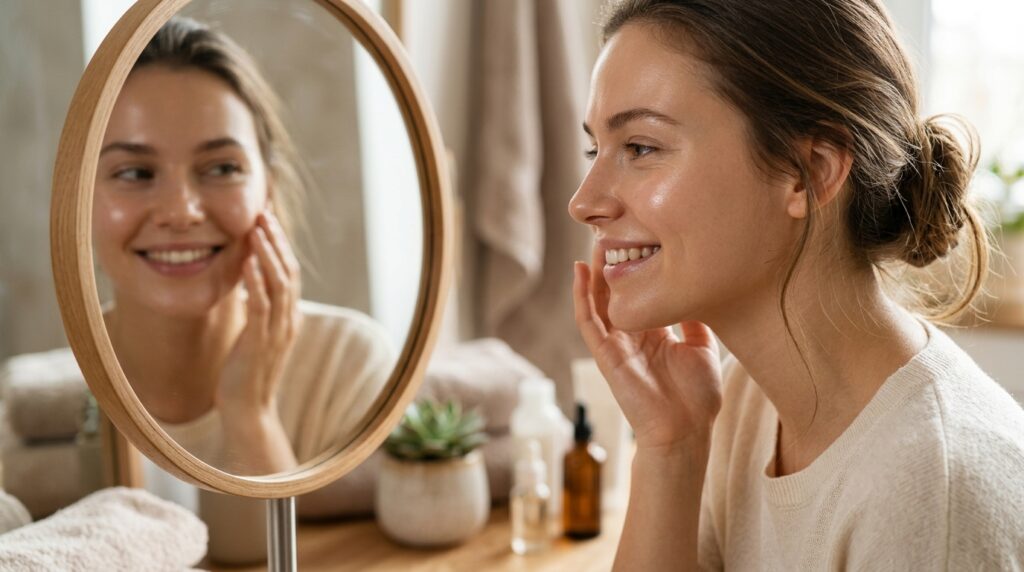
Giving up alcohol reduces inflammation, which is also visible on the skin
There are specific numbers too. In a study involving more than 3,000 women, those who consumed more than eight servings of alcohol per week more frequently had wrinkles on the upper part of the face, under-eye puffiness, loss of facial volume, and spider veins. In a month, skin won’t completely “rejuvenate,” but its condition can become noticeably better.
Immunity Strengthens: The Microbiome Recovers
Trillions of bacteria live in the gut — their collective community is called the microbiome. Regular alcohol consumption can disrupt their balance and reduce the diversity of beneficial microorganisms.
Gut health affects more than just digestion. The gut is connected to the immune system, so microbiome disruptions can weaken the body’s defense responses. If you remove alcohol, the composition of gut flora gradually begins to recover. Especially if you also eat well, get enough sleep, and stay more physically active.
Giving up alcohol gives the microbiome a chance to gradually recover. Combined with proper nutrition, sleep, and physical activity, this helps the body better resist infections.
“Dry” Month or “Damp” Month: What to Choose
Completely giving up alcohol for a month isn’t mandatory. Besides the “dry” option, there’s a softer one — a “damp month,” where alcohol isn’t eliminated entirely but is significantly limited.
At the same time, people who drink daily and in large quantities should not quit abruptly without consulting a doctor: withdrawal syndrome can be dangerous. For everyone else, it’s helpful to set a clear rule in advance and count servings — this is one of the few ways to drink less alcohol that has been tested in research.
Options can include:
- one glass once a week;
- alcohol only on special occasions;
- complete abstinence for all 30 days.
For some, the rule “I don’t drink at all” is easier — that way you don’t have to negotiate with yourself each time. Others find gradual reduction works better, especially if strict bans previously ended in relapses. The important thing is to choose an option you can actually stick to.
Is It Worth Trying a Month Without Alcohol
A month without alcohol isn’t a willpower test just to check a box. It’s a short experiment that allows you to evaluate changes in mood, sleep, digestion, skin condition, and overall well-being.
Some effects will disappear if you return to old habits. But that’s the whole point of the experiment: in 30 days, you can understand how much alcohol was actually affecting your well-being. Especially since the idea of a completely safe dose of alcohol is increasingly being questioned.
After such a month, it becomes easier to understand and decide whether you want to go back to your previous routine.