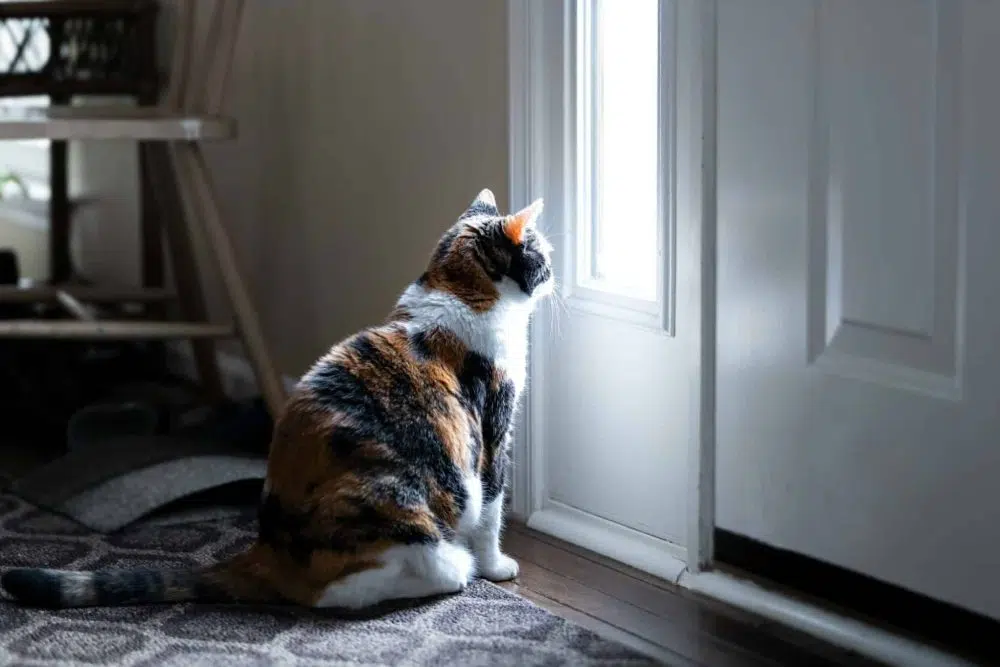
Took a street cat? Here’s how to turn it into a house cat
A cat used to the streets doesn’t always understand why it’s suddenly been locked within four walls. It’s better to acclimate them to indoor life gradually: first give them a safe place, familiar scents, toys, and tasty food. Don’t rush the cat. Every cat has its own personality: one may settle in within a few days, another needs weeks, and some continue asking to go outside even later (although free-roaming is dangerous). My former strays adjusted very quickly: litter box figured out on the same day, the cat house with scratching post explored, tasty food approved, and they didn’t even seem to want to run outside. But not all cats are such angels at first, so you need to be prepared for anything.
Why you shouldn’t immediately lock a street cat indoors
On the street, a cat had a large territory, many scents, hiding spots, and activities. In an apartment, this world suddenly shrinks, so the animal may become nervous, ask to go outside, damage things, or show aggression.
It’s better to first invite the cat inside for short periods, then gradually increase that time. Treats, food, and affection will help associate the home not with a loss of freedom, but with safety and comfort.
Don’t forget about a visit to the veterinary clinic: some symptoms of illness in cats are easy to miss. Before the move, you should treat the pet for fleas and worms with a product recommended by a veterinarian. Otherwise, parasites may enter the home along with the new resident.
A safe room helps the cat get used to the home
To start, set aside a separate quiet room or at least a calm corner for the pet. Place a bed, toys, and a scratching post there, and bring familiar items with a familiar scent, if you have any. There should be no scents nearby that cats dislike.
Place the bowls far from the litter box. Windows should be securely closed or protected with screens, and anything the cat could harm itself with should be removed from the room. The temperature should be comfortable — not stuffy or too cold.
Don’t force the cat to explore the entire apartment right away. With just one room, it’s easier for them to adjust: check the corners, find a hiding spot, and understand where they can retreat if they get scared.
How to litter-train a street cat
For a cat that has spent its whole life going to the bathroom on bare ground, litter can seem strange and confusing. Place a clean litter box in an accessible and quiet spot, then observe the pet’s reaction.
If the cat ignores the litter box, try a different litter. A bit of soil or sand can hint at the purpose of the new spot. Later, the familiar material can be gradually replaced with regular litter.
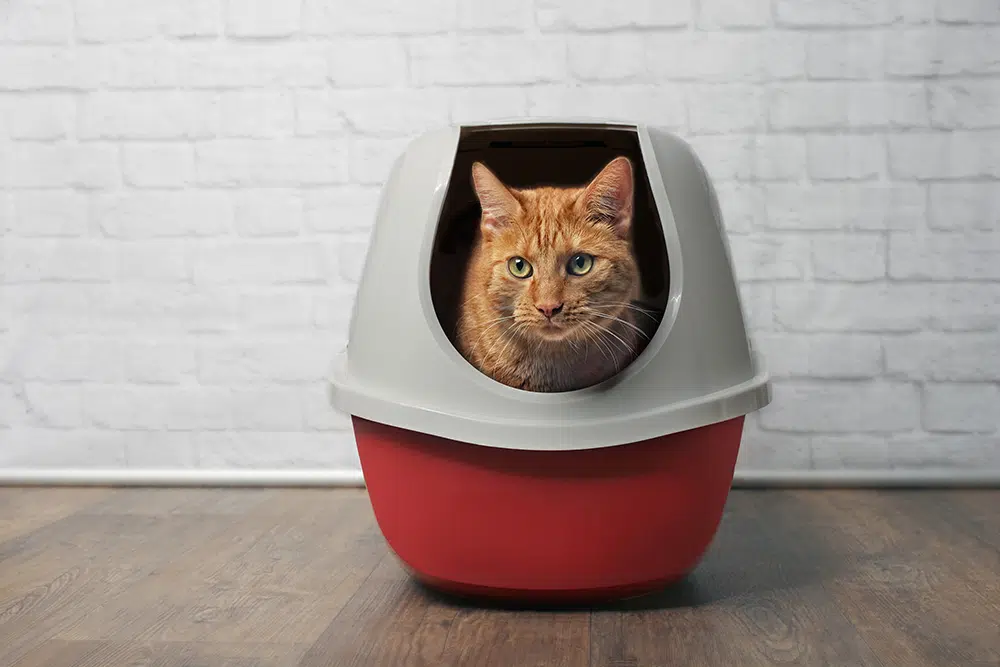
Familiar sand helps the cat understand the purpose of the litter box.
Scolding the animal for accidents is not worth it. Fear won’t explain the rules, but it can turn the litter box into yet another unpleasant object in an unfamiliar home.
The litter box needs to be cleaned regularly. If it’s dirty, inconvenient, or located near noisy appliances, the cat may look for another spot. Sometimes the problem is solved by adding a second litter box.
Play and height replace some of the cat’s outdoor entertainment
On the street, a cat is constantly moving, observing, hiding, and hunting. Without these activities at home, it quickly gets bored. Then the pent-up energy often goes into nighttime sprints, irritability, hunting feet, and destroying furniture.
To keep the apartment from feeling like an empty box, offer the pet several options:
- toys they can chase and hunt;
- puzzle feeders or food-dispensing toys;
- a tall scratching post or a cat tree;
- regular play sessions, brushing, and calm interaction.
Elevated spots are especially important: from there, the cat can observe the room and feel protected. A shelf, the top platform of a cat house, or a sturdy cat tree often helps reduce anxiety.
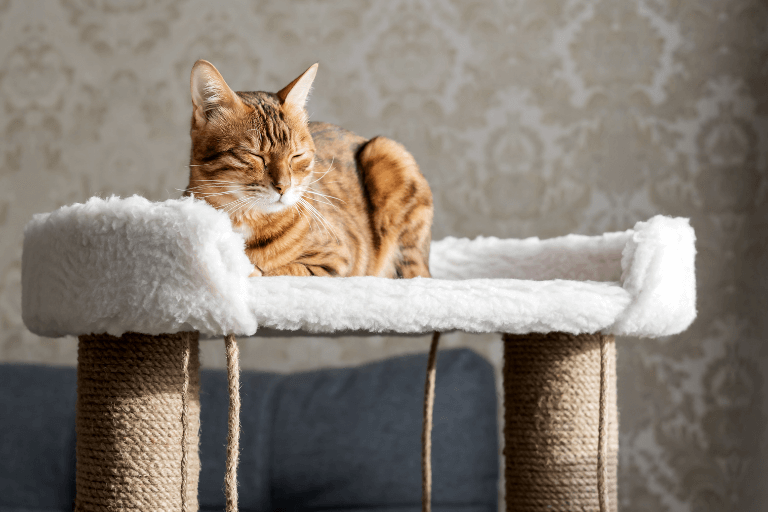
Cats love to climb: it gives them exercise, entertainment, and helps relieve tension.
Even a fully indoor pet will benefit from identification. An ID tag, GPS tracker, and microchip will help return the cat if it accidentally escapes through a door or window.
The transition to indoor life requires patience
There is no universal timeline. Gradually increase the time spent indoors and watch whether the cat eats, uses the litter box, plays, and can rest calmly.
Every cat adjusts in its own way. If the pet shows signs of severe stress or the transition isn’t working at all, it’s worth discussing the situation with a veterinarian or a cat behavior specialist. You may need to purchase a stress and anxiety relief product for animals from a veterinary pharmacy.
It’s important not just to close the door, but to make the apartment a fully-fledged territory: with hiding spots, height, activity, and a clear routine. Then the home will gradually stop being perceived as a trap and become a safe place.