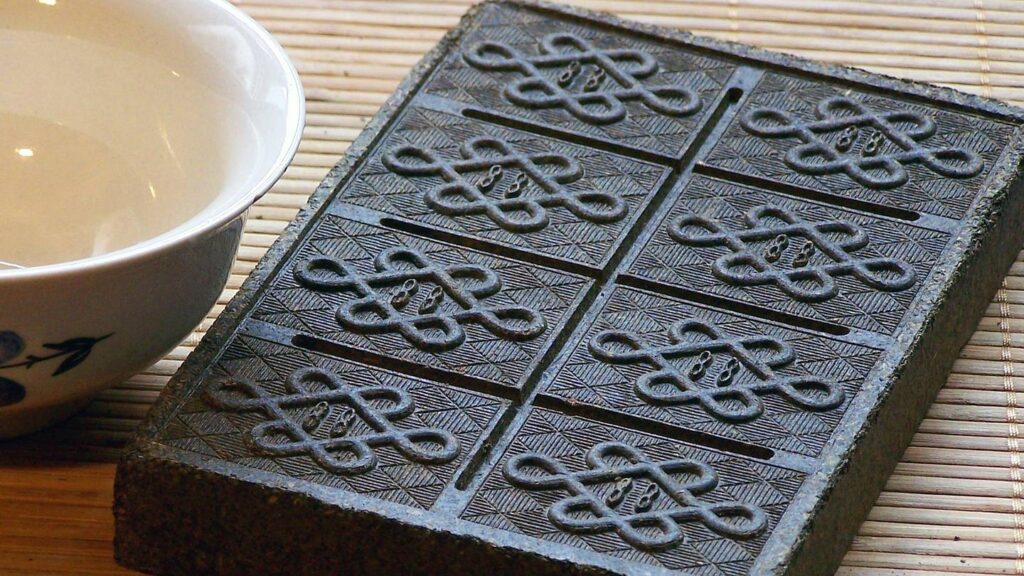
In ancient times, you could even pay for goods with tea
We’re used to thinking of money as coins or banknotes. But it wasn’t always that way. At different times, people paid with whatever they had on hand, and sometimes these were objects we would never call currency today. We’ve gathered five of the most unusual examples from history, and some of them will definitely surprise you.
Animal Fangs Instead of Money
The Tooth Fairy could have been the wealthiest investor in the past, because animal teeth once served as fully functional currency. For example, in 19th-century Fiji, polished sperm whale teeth were incredibly valued.
At the same time, the inhabitants of Papua New Guinea and the Solomon Islands used the fangs of dogs, pigs, and even dolphins for transactions. This wasn’t primitive barter — with such unusual money, people bought food, canoes, and even concluded peace treaties between tribes.
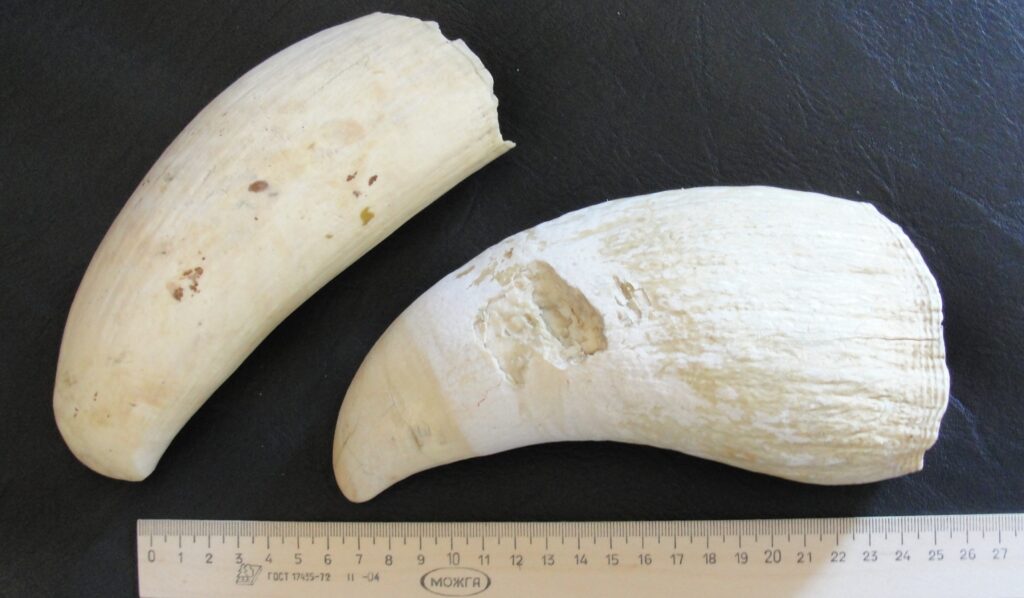
Sperm whale teeth. Image source: wikimedia.org
How Parmesan Became a Sound Investment
Comparing good cheese to gold in Italy is not just a beautiful metaphor. By the 13th century, in the north of the country, Parmigiano-Reggiano cheese became a full-fledged financial asset that could be used to pay off debts.
The most surprising thing is that this tradition is still alive today. The Italian bank Credem Bank continues to accept enormous cheese wheels as collateral for loans. In their special climate-controlled vaults, cheese worth millions of dollars ages, ensuring the financial security of local farmers.
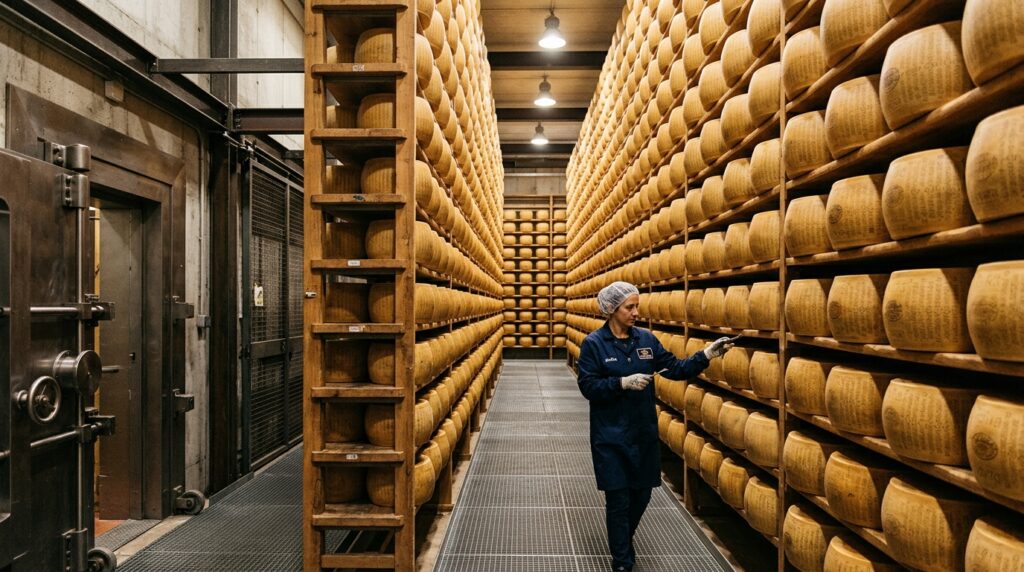
Italian vaults still hold thousands of cheese wheels serving as collateral
Shells as the World’s Main Currency
The habit of collecting beautiful shells on the beach may be an echo of humanity’s financial past. Indigenous peoples around the world, from North America to West Africa, used shells as official money for centuries.
Native American tribes of North America made special beads called wampum from quahog clam shells. They used them to pay for goods and seal important alliances. In Africa and Asia, the main payment system was the shells of cowrie sea snails.
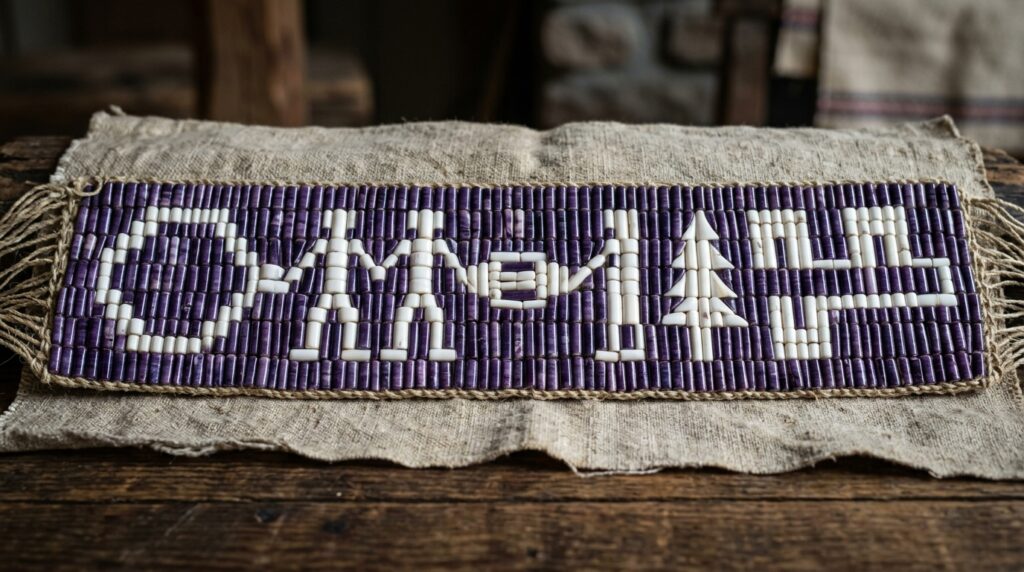
A wampum belt served not only as decoration but also as a financial document
Tea Bricks on the Silk Road
Today, a cup of good tea costs just a few hundred rubles, but once upon a time in Central and Northern Asia, tea itself was the main means of payment. Chinese merchants pressed dried leaves into dense bricks, which became the gold standard of trade in Tibet, Mongolia, and Siberia.
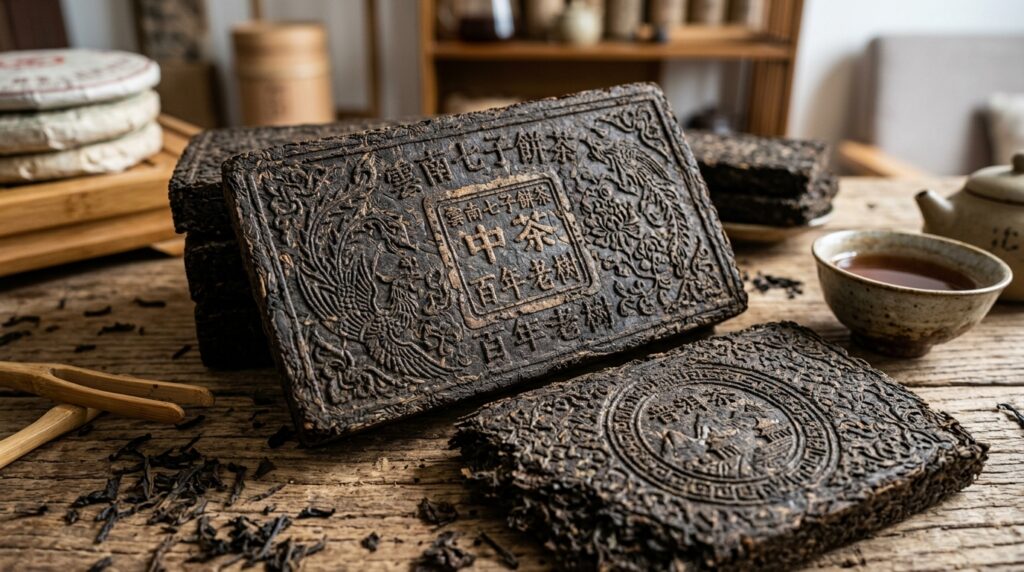
Tea bricks often had special stamps confirming their denomination and quality
This currency had three ideal properties: it didn’t spoil, it was easy to transport, and if necessary, you could simply drink it. Special seals were stamped on the bricks to confirm their authenticity. In the early 20th century, in remote regions, tea had greater purchasing power than actual silver or gold.
Salt Slabs and the Origin of Salary
In ancient Ethiopia, salt was so vital for survival that it was directly called white gold. It was mined in the harsh conditions of the Danakil Depression and formed into standardized rectangular bars that spread along all trade routes.
Salt slabs served not only for paying for goods but also for their direct purpose — as a seasoning. By the way, if you’ve heard the English expression “worth one’s salt” (meaning to be a professional), it refers to Roman legionnaires. The very word “salary” in European languages comes from the Latin salarium, which originally meant a soldier’s salt ration.
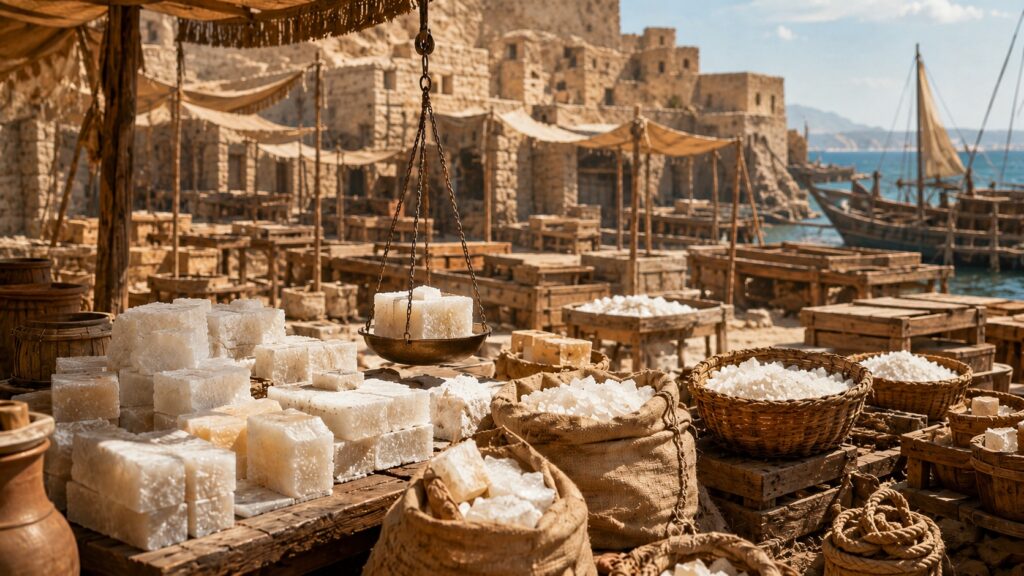
Today salt costs very little, but it was once compared to gold
Studying ancient means of payment helps us understand the true nature of money. Whether it’s a dog’s fang, a wheel of cheese, or a modern plastic card, value arises only from mutual trust between people.
The fact that today we pay with invisible pixels in banking apps is no less strange than buying a boat with a string of dolphin teeth. Understanding this proves that the human economy has always been built on collective belief, and the forms of money can change beyond recognition.