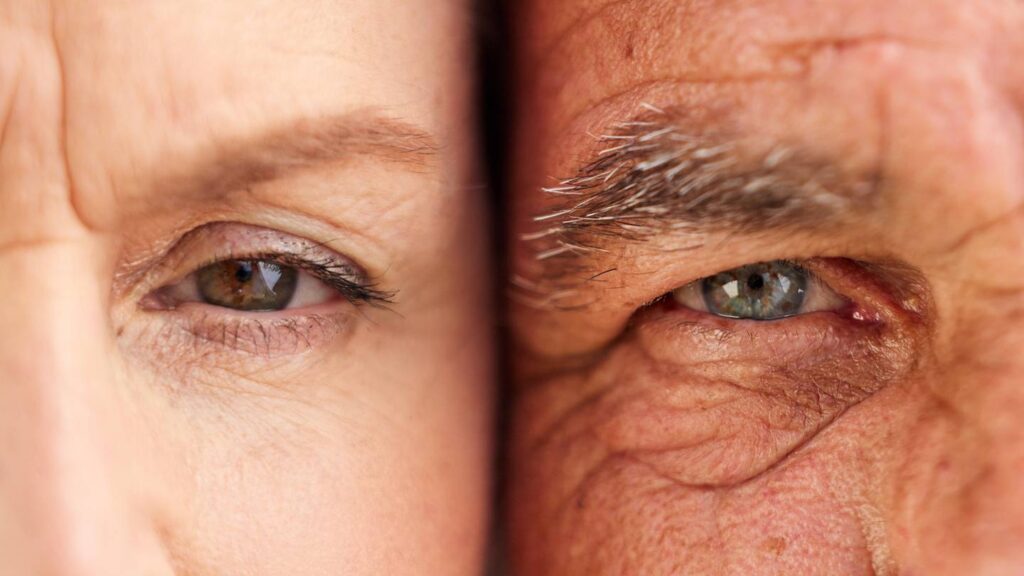
Eliminating a few habits can significantly slow down aging
You apply anti-aging cream to your skin, but every morning the mirror still seems to add a couple of years? Most likely, it’s not about your genes, but about habits you don’t even notice — they steal your youth quietly and methodically. We’ve gathered seven such aging accelerators and will warn you right away that no serum will help if you don’t eliminate the triggers themselves. Let’s break down what really works and what can be considered simple marketing.
Why Dehydration Makes Wrinkles Deeper
Drinking enough water is advice so basic that it’s easy to ignore. But you shouldn’t, because dehydration harms not only the kidneys and liver but also noticeably affects the skin. When cells don’t get enough water, they lose firmness and volume.
Roughly speaking, dehydrated skin behaves like a slightly dried-out grape: folds and creases become deeper, and the texture becomes less even. According to Mental Floss, lack of water can also affect brain function and mood.
What to do? Keep a reusable bottle with you and refill it throughout the day. This is much more reliable than trying to drink your daily intake all at once in the evening.
How Chronic Stress Affects the Skin
Stress isn’t just about nerves. It triggers the release of cortisol, the stress hormone, which impacts the brain, gut, heart, and skin, the body’s largest organ.
According to the specialists cited in the source, chronic stress is linked to acne, loss of facial volume, bags under the eyes, and wrinkles. The thing is, a body constantly living in alarm mode spends its resources on survival rather than tissue repair. In a culture of perpetual busyness, it’s important to know when to slow down.
What to do? To reduce stress levels every day, the source recommends several simple activities:
- reading books;
- walks in fresh air;
- meditation;
- breathing exercises.
Why Sleep Deprivation Ages Your Face
Many people scroll through their phones for hours before bed, and this is a double blow. Bright screen light increases stress hormones, making it harder to relax. Meanwhile, sleep itself does the heavy lifting of repairing the body.
It’s during sleep that the body regulates hormones, repairs DNA, and recovers. Mayo Clinic recommends sleeping at least seven hours per night — with sleep deprivation, the body and skin simply don’t have enough time for repair. The result is visible in the mirror: dark circles, redness, puffiness, dullness, and more noticeable fine wrinkles.
What to do? Try to go to bed and wake up at the same time, and put your phone away about an hour before sleep.

Quality sleep is the time when the body recovers and repairs cells
How a Sedentary Lifestyle Accelerates Aging
One of the secrets of the so-called Blue Zones — five regions in the world where people live the longest — is daily movement. Not exhausting workouts, but natural activity: walks after meals, trips to the store, movement throughout the day.
Scientists have long said that a sedentary lifestyle reduces muscle mass and limits the body’s ability to deliver oxygen and nutrients to tissues, leading to premature aging. Poor circulation causes dryness and deepens wrinkles, while muscle loss reduces insulin sensitivity, which in turn damages collagen and changes skin pigmentation.
What to do? Add short walks between and after meals, as well as strength exercises to maintain muscle mass.
How Alcohol and Caffeine Affect the Skin
A favorite cup of coffee and a glass of wine with friends aren’t a catastrophe in themselves. But in excess, alcohol and caffeine cause dehydration, damage the liver, and disrupt hormonal balance — all of which sooner or later shows on the skin.
These effects manifest as pigmentation, broken capillaries, dryness, redness, and acne. You don’t have to completely give up coffee or an occasional glass, but it’s important to understand how these habits affect health and skin as you age.
What to do? If you drink coffee and alcohol, choose options with less sugar and make sure to drink enough water to compensate for dehydration.
Why Eating Out Frequently Harms Your Skin
When you cook at home, you know exactly what products and oils you’re using. Constant snacking at cafés and fast food deprives you of that control.
Restaurant dishes are often more inflammatory and processed, and they sometimes lack complete protein. Many of them contain excess sugar, vegetable oils, or ingredients treated with pesticides — factors that can contribute to premature aging, acne, redness, and dark spots on the skin.
What to do? Add more whole foods to your diet and reduce the proportion of processed food. This doesn’t mean giving up restaurants forever — it’s about balance.

Cooking at home makes it easier to control the composition of dishes and the amount of additives
How Smoking and Vaping Destroy Collagen
This is perhaps the most well-proven item on the list. Smoking and vaping damage DNA and slow wound healing, among other complications.
It is known that nicotine is directly linked to skin cancer, psoriasis, and chronic dermatoses. Additionally, smoking disrupts collagen production, leading to loss of facial volume and dullness. Essentially, the skin loses its support structure and begins to look older.
What to do? The best option is to try to quit. Explore the best methods to quit smoking that suit you personally, and learn in advance what happens to your body after quitting so you’re prepared for the process.
Which Habits Accelerate Aging the Most
The main takeaway is simple: habits matter more than jars of cream. Most of these factors — dehydration, stress, sleep deprivation, inactivity — don’t affect aging instantly but over years, gradually adding up to the overall result.
It’s also worth keeping a sober caveat in mind: these are lifestyle recommendations, not the result of one rigorous experiment. The strength of evidence varies for each point, from the well-studied harm of smoking to more general advice about eating out. But even if you strip away the marketing noise, the direction remains sound: what’s good for your blood vessels, brain, and sleep is usually good for your skin too. And you can start small — with a glass of water and an hour without your phone before bed.