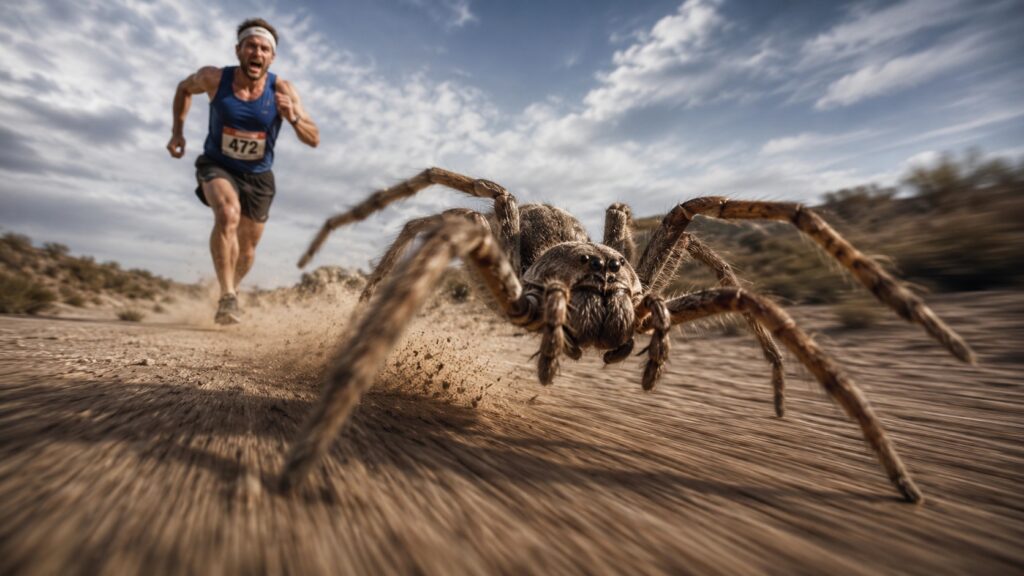
Huntsman spiders in Australia are terrifying not only in appearance but also in speed of movement
Scientists measured the running speed of 258 spider species and determined which one is the fastest. It turns out that one spider species can accelerate to a speed sufficient to catch up with a person jogging. And it’s not a tarantula, not a bird-eating spider, and not the one you might suspect. The fastest spider in the world is a species most people have never even heard of, and its record overturns our understanding of what arthropods are capable of.
The Fastest Spider in the World
The absolute record holder turned out to be a species from the genus Heteropoda, found in the Australian state of Queensland. This huntsman spider can reach speeds of up to 3.6 meters per second, which equals approximately 13 kilometers per hour.
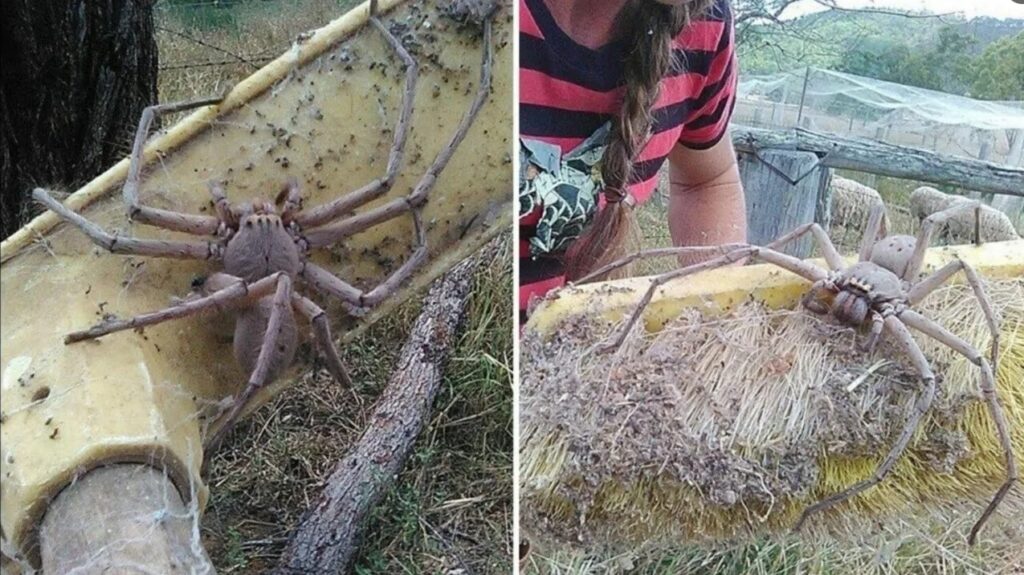
Australian huntsman spider
For comparison, the average human running speed during a light jog is between 6.5 and 9.5 kilometers per hour. This means that escaping such a tiny pursuer at a leisurely pace is definitely not an option. Previously, the official world record belonged to the Moroccan flic-flac spider (Cebrennus rechenbergi), which moved at a speed of 1.7 meters per second. However, its specific wheel-like style of movement technically cannot be called running in the conventional sense of the word.
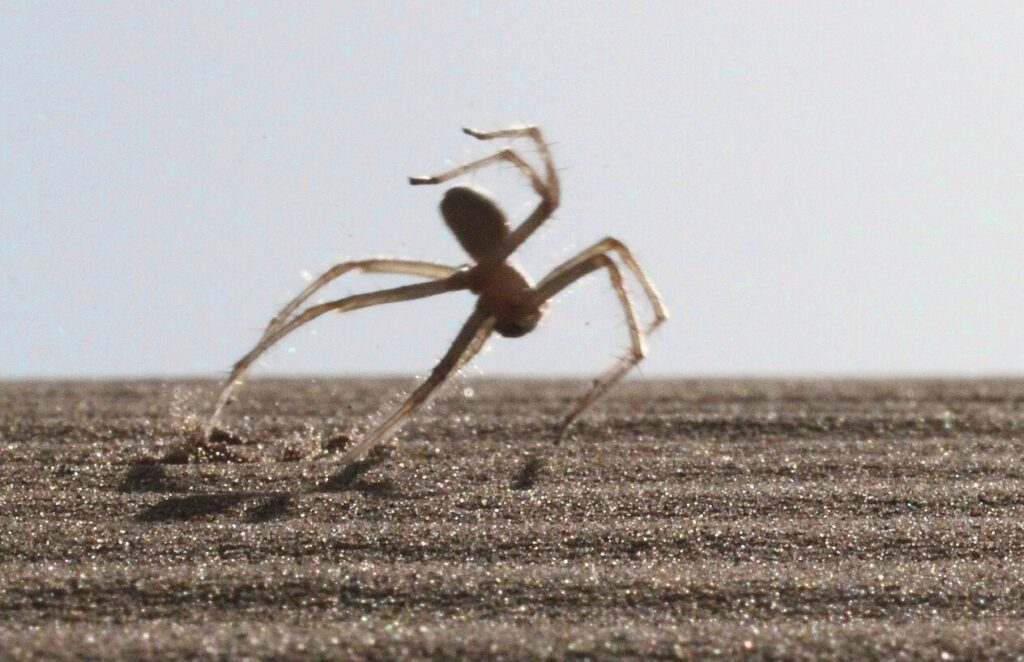
The Moroccan flic-flac spider runs in a very strange way. Image source: wikimedia.org
Measuring Spider Speed in the Laboratory
According to Science Alert, to obtain accurate data, biologists set up a special testing zone. To measure spider speed, scientists used high-speed cameras and grid-marked paper attached to a plastic or metal tray. The researchers were interested in more than just dry numbers and athletic records.
Why Spiders Run Fast
The analysis showed that a spider’s body shape and lifestyle directly determine the animal’s running characteristics. Many dangerous spiders prefer ambush tactics, but the record holders from this new study operate in a completely different way.
It turned out that several key factors influence a spider’s movement speed:
- Leg length: long-legged species run noticeably faster, while the visual thickness of the legs does not play a significant role;
- Ecological niche: ground-dwelling hunters accustomed to actively pursuing prey in open terrain turned out to be the fastest in their weight class;
- Evolutionary history: younger species demonstrate the greatest diversity in movement styles.
The Effect of Body Size on Animal Speed
Comparing different species, the researchers discovered an interesting pattern. As a rule, larger individuals move more nimbly than their smaller counterparts, but there are surprising exceptions to this rule.
For example, the tiny orange goblin spider weighs 30,000 times less than the Australian record holder, yet it is only 18 times slower. Biomechanics perfectly explains why body size affects the speed of the vast majority of living creatures. The main role here is played by the rigid limits that anatomy imposes on muscular energy output.
As zoologists note, a cheetah easily outpaces a dog of similar size precisely because its muscular framework and skeletal structure are perfectly adapted by evolution for sprinting. However, even such outstanding capabilities still strictly obey the laws of physics.
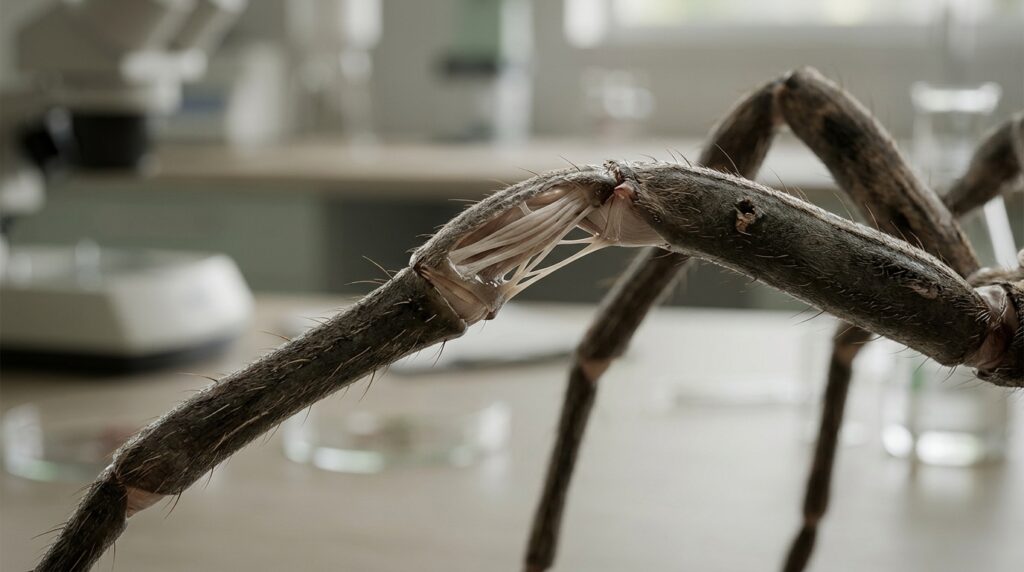
Anatomy and leg length play a decisive role in how quickly an animal can move its limbs
Why Scientists Study Spider Speed
This work has become the most comprehensive catalog of arthropod running characteristics to date. Although the thought of swift creatures the size of a palm can be frightening, such spider speed research is critically important for understanding the evolution of all life on Earth.
The authors of the study emphasize that in an era when artificial intelligence is beginning to dominate many scientific fields, real experiments and the collection of live data remain irreplaceable. Only by observing nature firsthand can we truly understand the physical capabilities of spiders and the laws that shape the appearance and behavior of all animals on our planet.