
Everything you knew about tetanus was wrong. And the rusty nail has nothing to do with it
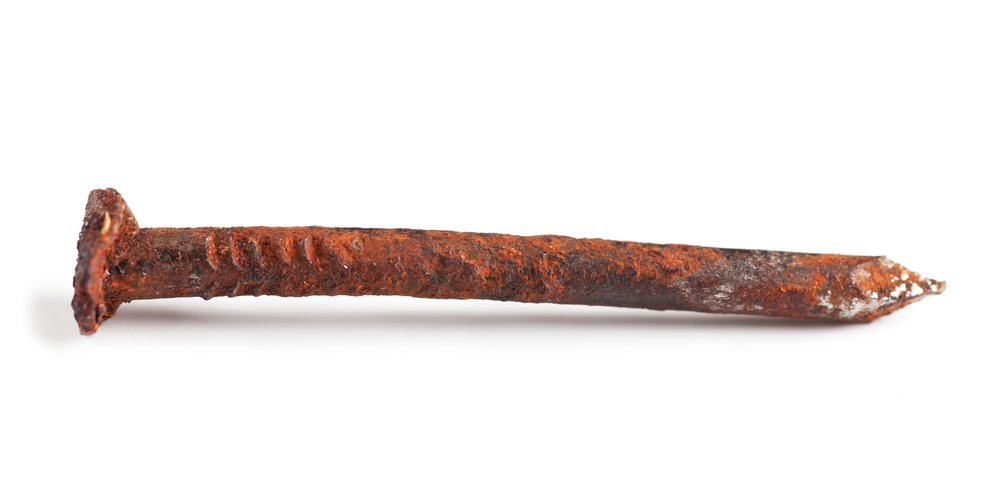
Since childhood, many of us remember a simple rule: step on a rusty nail — rush to get a tetanus shot. Rust somehow became the main villain in this story. But the truth is that a rusty nail has almost nothing to do with tetanus — the danger hides in a completely different place, and it’s useful for everyone to know about it.
Where the Rusty Nail Myth Came From
Tetanus has plagued humans for thousands of years. Hippocrates — the ancient Greek physician considered the father of medicine — wrote about it. In other words, the disease was known long before people understood where it came from.
The image of the rusty nail stuck for a simple reason: people used to frequently injure themselves on old pieces of metal somewhere in the yard or the garden. And there, in the soil and dust, is where the real culprit lives. So rust became the “scapegoat,” even though it is harmless by itself.
What Actually Causes Tetanus
The culprit behind tetanus is a bacterium that lives in soil, dust, and manure. Its spores are incredibly resilient and can patiently wait for their moment literally beneath your feet.
To get infected, these spores need to enter a wound — especially a deep one with limited air access. It is precisely in such a closed wound that the bacterium comes to life and begins producing a toxin that attacks the nervous system and causes agonizing muscle spasms.
A nail is dangerous not because it’s rusty, but because it’s dirty and leaves a narrow, deep wound.
You can get infected just as easily from a seemingly clean knife, a splinter, or a cut while working in the garden. What matters is not how “scary” the object looks, but whether dirt, soil, or dust got into the wound.
How Else Can You Get Tetanus
What’s most surprising: tetanus is not at all tied to metal or “outdoor” injuries. You can get infected in much more everyday situations.
- Cutting yourself in the kitchen with a seemingly clean knife.
- Getting a splinter while working in the garden or at the countryside house.
- Getting any dirty wound where soil has entered.
- Even during a diaper change (under certain conditions).
It’s not about the object — it’s about spores getting into the wound. That’s why anything can turn out to be “dangerous,” not just the proverbial nail.
Why Tetanus Is No Longer a Death Sentence
For a long time, the disease remained deadly. The turning point came at the end of the 19th century: in 1884, scientists figured out how tetanus works, and 40 years later a vaccine was developed.
Today, the protection protocol is well-established and works almost flawlessly: three vaccinations and a booster every 10 years provide virtually 100% protection — regardless of what you injured yourself on. This is how an ancient deadly disease turned into a problem solved by a simple injection.

Any contaminated wound is a potential path for infection
What to Do to Not Fear Tetanus
Good news: protecting yourself doesn’t require anything complicated. It’s enough to keep your vaccinations up to date.
- Check when you last had a tetanus shot.
- If more than 10 years have passed — schedule a booster.
- Any contaminated wound should be immediately washed and treated, rather than waiting for it to “heal on its own.”
If you can’t remember when you last had a tetanus shot — that alone is a reason to see a doctor. It’s never too late to start protecting yourself: even as an adult, you don’t need to worry that you’ve “missed the boat.”
The main takeaway from this story: there’s no point in being afraid of rust, but keeping up with your vaccinations is genuinely useful.