The Ministry of Digital Development has excluded paid smartphone IMEI registration from the upcoming second anti-fraud bill. However, the device registry itself hasn’t gone anywhere — the ministry hasn’t abandoned the idea of a unified IMEI database. Previously, you could buy an iPhone at a good price and use it freely in Russia, but the Ministry of Digital Development planned to complicate device imports due to the requirement to register in the IMEI database. Now there will be no separate fee when purchasing or importing a device, but registration as such remains in the plans.
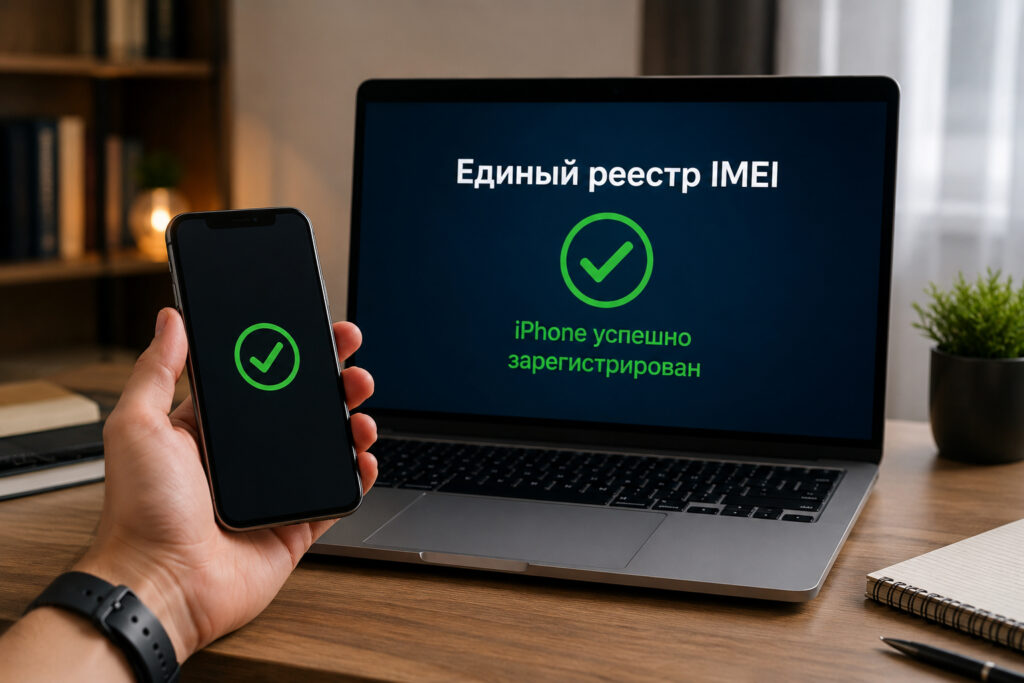
Registering an iPhone from abroad in the IMEI database will be free
How Much Will IMEI Phone Registration Cost Now
Initially, the Ministry of Digital Development proposed charging a fixed fee to citizens and importers for adding a device to the unified IMEI database. Previously, the ministry revealed how much such a procedure would cost for regular users. Now, according to Kommersant, this provision has been removed from the second anti-fraud bill.
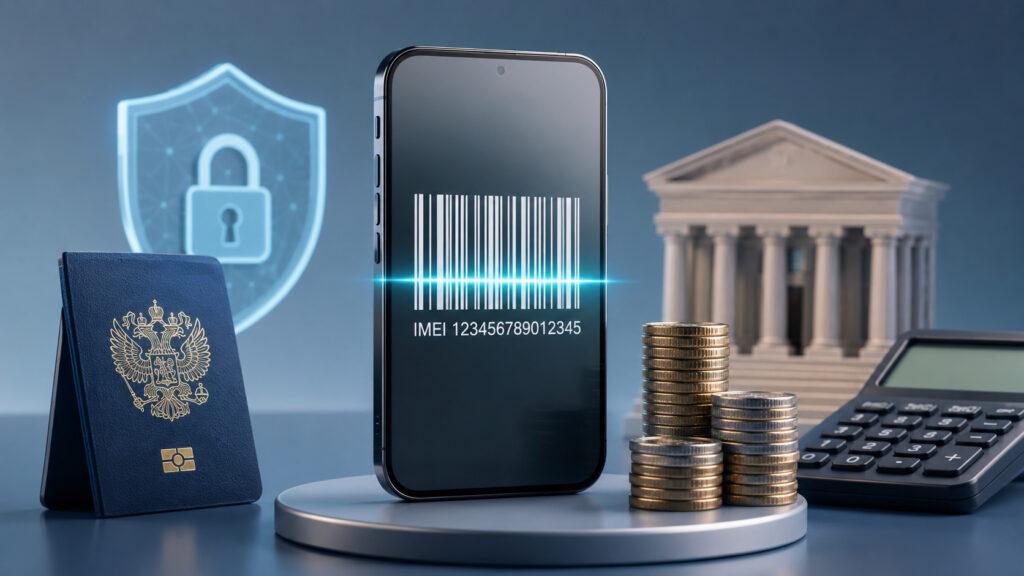
There will be no fee, but no one is abandoning the registration itself
There will be no registration fee — at least in the version of the document currently being prepared. This is the main change for buyers: neither when purchasing a new iPhone in Russia nor when importing a device from abroad will a separate fee need to be paid.
Why Russia Is Creating a Smartphone IMEI Database
IMEI is a unique 15-digit number that every smartphone has, allowing a specific device to be identified on the network. The government needs a unified database to determine that a SIM card is not being used in a UAV — this is how Deputy Head of the Ministry of Digital Development Dmitry Ugnivenko explained the rationale.
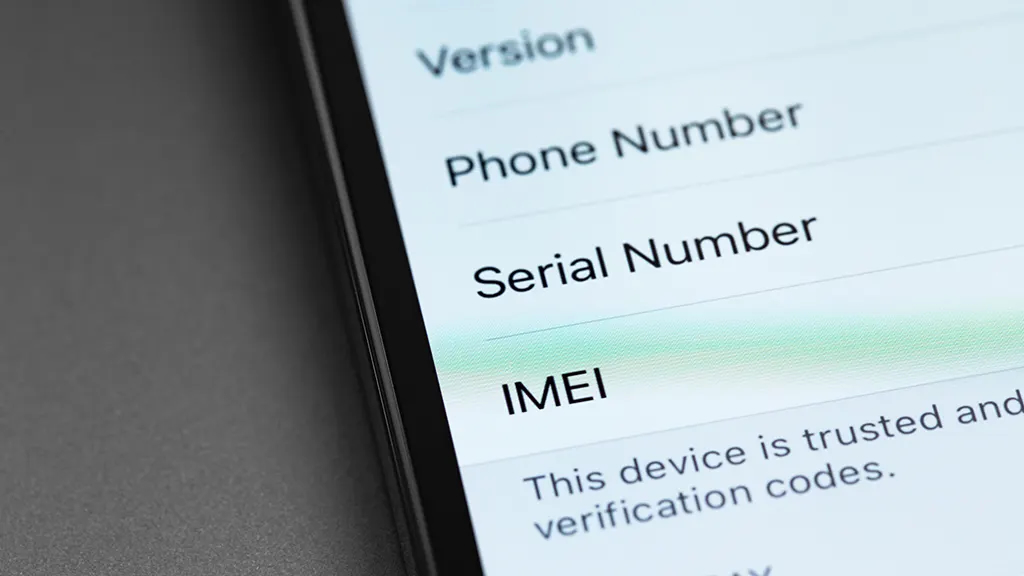
IMEI can be found in iPhone settings
A Kommersant source clarifies that the key goal of the initiative is creating a centralized device database. In other words, the objective isn’t to collect money from users but to give the regulator a complete list of legal smartphones in the country and tie SIM cards to specific hardware.
What Will Happen to iPhones Purchased Before the Registry Launches
According to Kommersant’s source, all devices currently in users’ hands will be recognized as legitimate. This means that owners of current iPhones — whether purchased in Russia or brought from abroad — won’t need to prove the device’s origin or go through any separate retroactive procedure.
Going forward, the system may work differently: a SIM card tied to a specific IMEI will stop functioning in another device. In practice, this means that swapping a SIM from an old iPhone to a new one without registering the pairing in the database won’t be possible — or it will work with restrictions.
Absence from the IMEI Database: What Are the Consequences
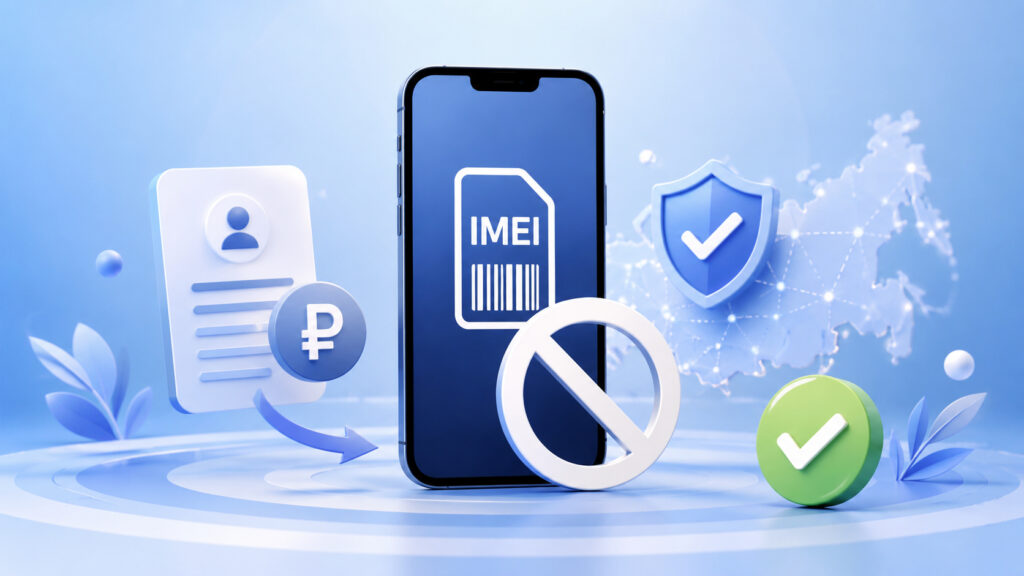
If a smartphone is not in the database, restrictions will apply
Various restriction scenarios are being discussed — from mild to strict:
- Partial restrictions for unregistered devices
- Complete blocking from carrier networks
- Strict binding of a SIM card to one specific IMEI
The specific model hasn’t been chosen yet. This means that the final rules may differ from what is currently being discussed, and it’s too early to make definitive plans based on any one scheme.
Buying an iPhone from Abroad: What Are the Implications
In short, the news is mostly positive but not a sensation. There will be no fee for IMEI registration for now, and already purchased devices, according to the current version, will remain legitimate automatically. There are no grounds for worrying that your iPhone will be disconnected from the network tomorrow.
On the other hand, the idea of a unified IMEI database and SIM-to-device binding hasn’t gone away. This means that in the future, freely swapping a SIM between different iPhones, reselling a device, or importing a “gray market” smartphone could become more difficult. This topic is worth following for those who frequently buy iPhones abroad, use multiple devices with one SIM, or plan to sell tech on the secondary market.
Until the specific text of the bill is adopted, there’s no need to panic or change your habits. But it’s already worth keeping in mind that IMEI device registration in Russia is gradually becoming a reality.