Apple has for the first time in a long while mentioned “product pricing” as a tool to combat rising costs caused by the memory and storage crisis. Morgan Stanley analysts predict the entire iPhone 18 lineup will increase by at least $100. But most importantly — Samsung has already raised prices on dozens of devices, and this is just the beginning of an industry-wide trend that will affect all buyers of Android smartphones and tablets.
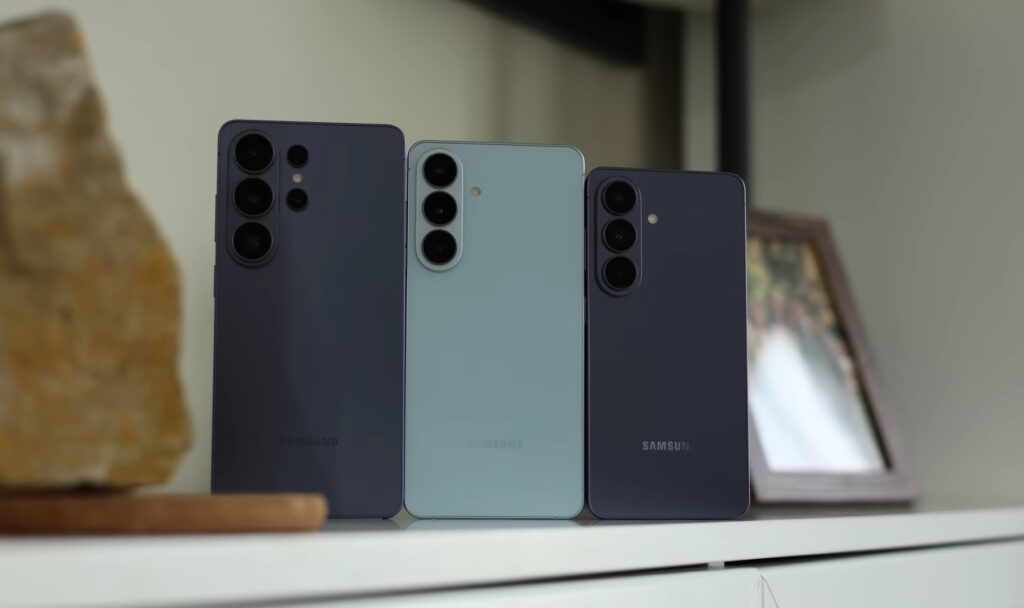
Apple’s new iPhone 18 price increase is bad news for Samsung fans. Image: Mike O’Brien
How Much Will iPhone 18 Prices Increase
In its latest 10-Q quarterly report, Apple for the first time listed “product pricing” as a strategic tool to offset rising costs. Apple typically doesn’t make such statements in advance, which is why Wall Street analysts took notice. Morgan Stanley predicted a price increase across the entire iPhone 18 lineup of at least $100 while maintaining the same storage capacities. That means buyers will get the same configuration, but at a higher price. According to analysts, the purpose of the increase is not margin protection per se, but maintaining absolute profit during a period when company leadership has transitioned to new CEO John Ternus.
Apple is raising prices due to the memory crisis in the market.
However, there are alternative forecasts. Two independent analysts (Ming-Chi Kuo and Jeff Pu from GF Securities) believe that base prices for iPhone 18 Pro and Pro Max will remain the same, and only models with increased storage (512 GB and 1 TB) will see price hikes. There’s no definitive answer yet: Apple will only announce specific prices in September.
Samsung Smartphone Price Increases in 2026
While Apple is only hinting, Samsung has acted quietly. In April 2026, the company raised prices on 11 devices in the US: smartphones and nearly its entire tablet lineup.
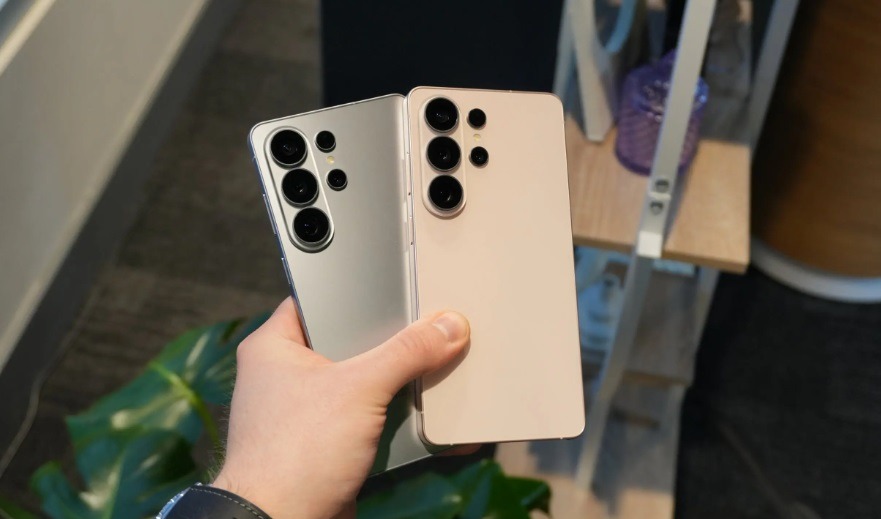
Samsung raised prices on most of its tablets and several smartphones. Image: sammobile.com
Here’s what got more expensive:
- Galaxy Z Flip 7 (512 GB) — from $1,220 to $1,300
- Galaxy Z Fold 7 (1 TB) — up to $2,500 (was $2,420)
- Galaxy S25 Edge — plus $80
- Galaxy S25 FE — plus $40
- Galaxy Tab S11 (base version) — from $800 to $900
- Galaxy Tab S11 Ultra (1 TB) — from $1,620 to $1,900 (plus $280)
- Nearly all other Galaxy Tab tablets, including budget lines
At the same time, Samsung didn’t touch the Galaxy S26, S26+, and S26 Ultra. These models were already released with higher prices compared to their predecessors. Samsung’s strategy is clear: they try not to touch base versions of devices, but add premiums to higher configurations with more memory and storage. This is calculated on the assumption that buyers of premium versions are less price-sensitive.
The Reason Behind Smartphone Price Increases in 2026
Behind all the price increases is one reason: a crisis in the memory market. Companies developing AI infrastructure (Google, Microsoft, Amazon) are buying up all available memory chips for their data centers. The three largest memory manufacturers (Samsung, SK Hynix, and Micron) are redirecting production capacity toward manufacturing high-margin HBM memory for AI servers.
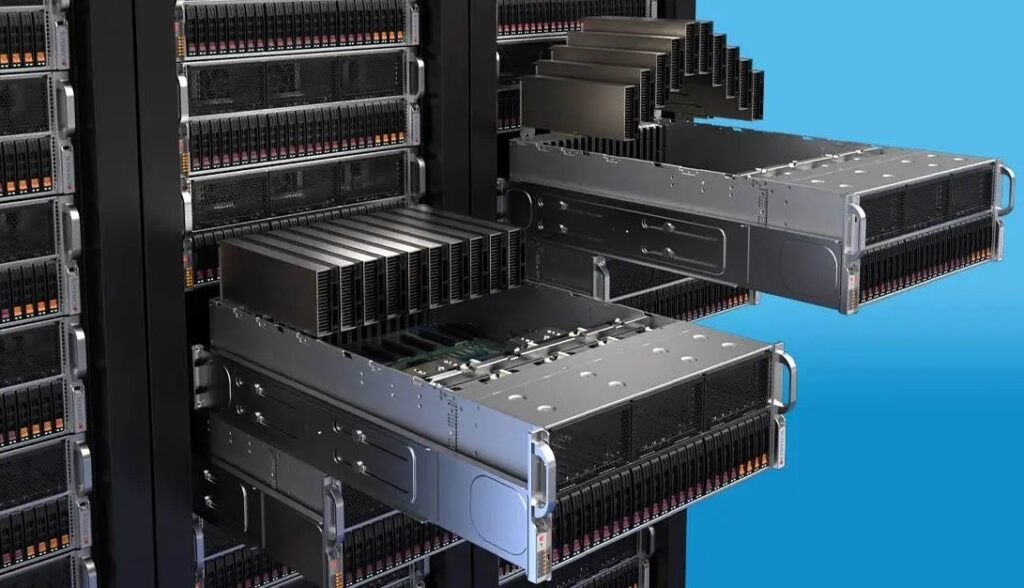
A single server alone can contain a dozen RAM modules. Image: supermicro.com
The scale of the problem is well illustrated by the numbers. According to TrendForce data, contract prices for standard DRAM memory in Q2 2026 rose 58–63% quarter-over-quarter, while NAND Flash prices rose 70–75%. According to Counterpoint Research, in Q1 2026, memory price increases reached 80–90% quarter-over-quarter. SK Hynix forecasts that the memory shortage will last until the end of 2027. New factories that could ramp up production take years to build, and there’s no quick solution.
What iPhone 18 Price Increases Mean for Android Buyers
Samsung’s price increases are not a one-time event. This is the beginning of a new pricing cycle that will affect all Android device manufacturers. According to IDC, the trend of recent years — where flagship features trickled down to affordable models — is reversing: budget smartphones may return to 4 GB of RAM instead of 8 GB.
Nearly all Android models are getting more expensive in 2026
Motorola has already raised prices on budget models: the Moto G 2026 increased by approximately 50% (to $300), while the Moto G Power costs $400 instead of the original $299. The increases affect not only flagships but also the mass market segment. For those choosing between Apple and Samsung, the situation is paradoxical. If Apple keeps the base iPhone 18 Pro prices at $1,099 while Samsung continues raising prices on its flagships, the gap between them will narrow. Some analysts believe this is exactly the scenario Apple is planning.
Is It Worth Buying a New Smartphone in 2026
The price increases Samsung has already made could become the baseline for the next generations of devices: Galaxy Z Fold 8, Galaxy Z Flip 8, and Galaxy S27. Usually in such situations it makes sense to wait for discounts, but conditions right now are far from normal.
If you were planning to buy a Galaxy Tab tablet or a foldable smartphone, current prices are most likely the minimum for the next year. Those considering base smartphone models are slightly luckier: Samsung tries not to raise the starting price of mass-market models, shifting increases to higher configurations. The main takeaway: the era of stable smartphone and tablet prices is ending. Neither Apple nor Samsung can endlessly absorb rising component costs, and buyers should factor this in when planning their next purchase.