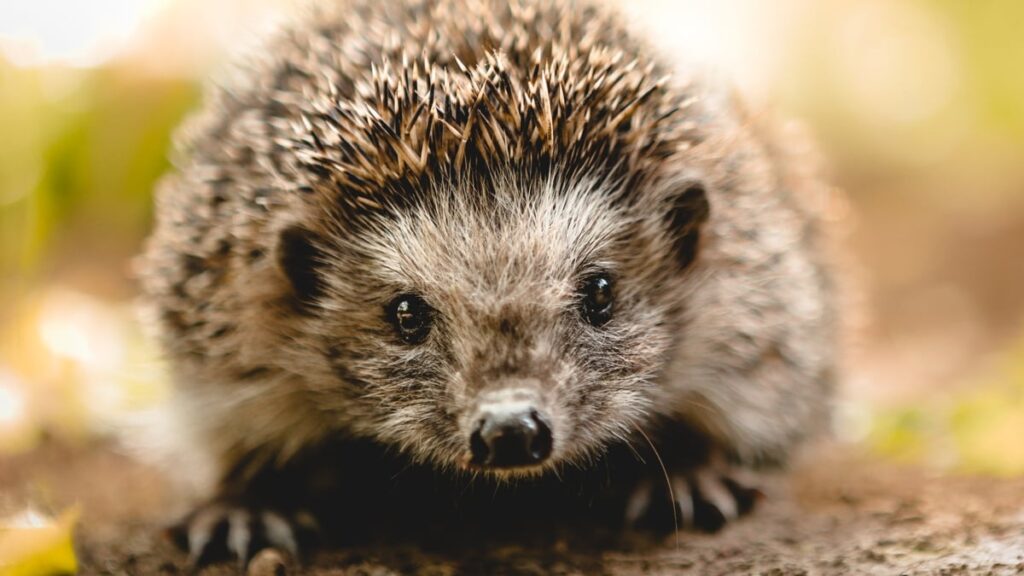
Scientists found microplastics in hedgehogs — here’s why this should scare you
Microplastics have been found in the droppings of wild hedgehogs, and when scientists started looking for the source, the trail led to an unexpected place — store-bought pet food. This study isn’t about far-flung corners of the planet. We already breathe in microplastics with the air, and now they’ve been discovered where no one expected — in your cat’s or dog’s food bowl.
How Microplastics Were Found in Hedgehog Droppings
It all started in 2021, when a team of researchers from the University of Sussex collected 189 hedgehog fecal samples from ordinary private gardens and rehabilitation centers across the United Kingdom. Microplastics were found in 19% of the samples — nearly one in five.
The European hedgehog is one of Britain’s most beloved wild animals, and it is officially classified as a species at risk of extinction. But until this study, nobody even suspected that hedgehogs were ingesting plastic. The logical next question: where does it come from?
Why Insects and Soil Were Suspected First
Hedgehogs in the wild eat invertebrates: beetles, snails, slugs, earthworms, caterpillars, and woodlice. So the scientists started with the most obvious explanation — they examined hedgehog diets in the wild.
The team analyzed thousands of invertebrate and soil samples from 51 sites in Sussex. Plastic indeed turned up everywhere — in different species of insects and across different types of land. Unsurprisingly, microplastics had already been found even in earthworms. So yes, hedgehogs do get microplastics through their natural food. But that didn’t explain everything, because something entirely different draws hedgehogs into urban gardens.
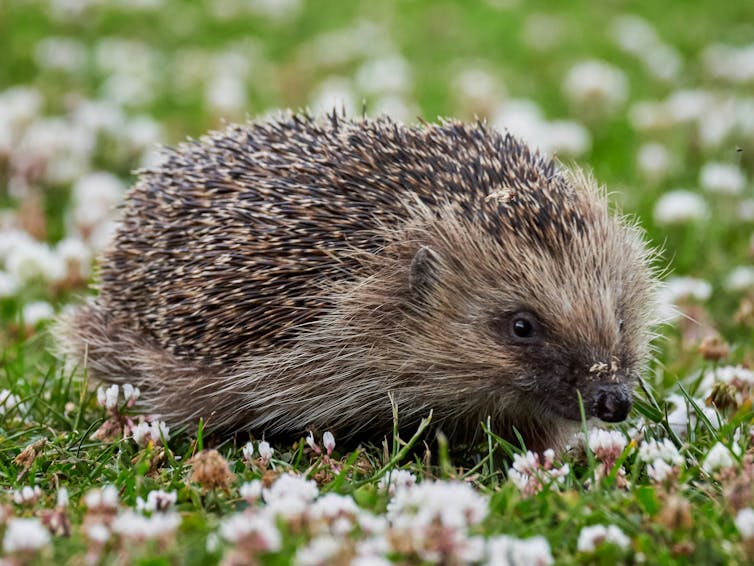
Research shows that food left out by people is the main reason hedgehogs visit private gardens. Many hedgehogs have even become dependent on it, especially in autumn and winter.
Why Pet Food Came Under Suspicion
Studies show that the main reason hedgehogs visit private gardens is food left out by people. Many hedgehogs literally become hooked on this supplemental feeding, especially in autumn and winter when natural food is scarce.
Most often, this means commercial pet foods — cat food, dog food, or specialized hedgehog food. This gave rise to the main hypothesis: what if the source of microplastics is the commercial food itself?
To test this, the scientists selected 38 brands of food across different price categories, different types (wet and dry), and for different animals — cats, dogs, and wild hedgehogs. Each product was purchased in six packages, and a random 1-gram sample was taken from each can, pouch, tray, or bag. The results were published in the journal Environmental Toxicology and Chemistry.
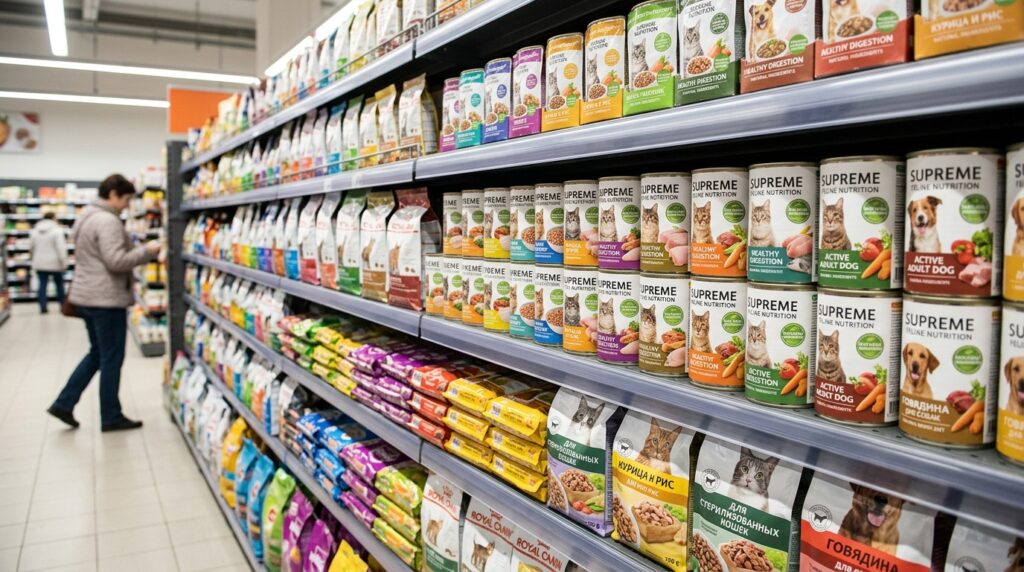
Pet food may be an important source of microplastics for domestic pets and wild animals
Which Foods Contained the Most Microplastics
The results were alarming: microplastics were found in 29 out of 38 tested foods. In 18 products, contamination was present in more than one package — meaning this was not a random, isolated finding.
Several clear patterns emerged:
- The most positive samples were found in cheap, budget-category foods
- Dry food contained more plastic per gram
- But animals consume much larger portions of wet food, so more plastic may actually enter the body through wet foods
To put this in perspective: based on average levels found in wet dog food, a large dog like a Labrador could be swallowing around 313 microplastic particles per day — from food alone.
Another important detail is the link to ingredient quality. Out of 21 products containing animal by-products, 19 had at least one sample with plastic, and 13 had at least two. In other words, pet foods contained more microplastics than studies of human food have found, and the likely reason is the quality of the raw materials. Plastic particles had previously been discovered in the blood of cows and pigs.
What Pet Food Microplastic Contamination Means for Pets and Wildlife
The study itself did not measure health effects on animals. The scientists did not test what exactly microplastics do to the bodies of cats, dogs, or hedgehogs — they only demonstrated that these particles are massively present in food. Though it goes without saying that this is nothing good for health.
In experiments, microplastics have been linked to fertility problems (ability to reproduce), organ dysfunction, and general health deterioration. A separate alarming issue: antibiotic-resistant bacteria can attach to these particles.
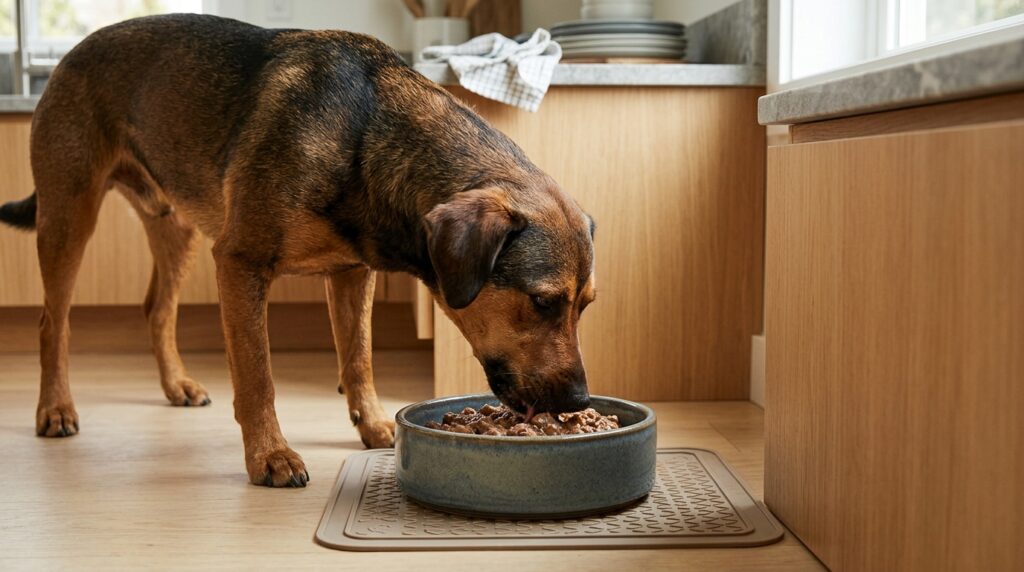
More plastic may enter an animal’s body through wet food than through dry food
Why Pet Food Needs Microplastic Testing
The researchers’ main practical conclusion is this: since there is so much plastic in pet food and its effects are still not fully understood, it makes sense to reduce contamination at the production stage.
The study’s author proposes a simple precautionary measure: require manufacturers of processed pet foods to test their products for microplastics. Currently, other chemical contaminants undergo strict controls, while plastic particles essentially fall outside this system.
For the average pet owner, there are several takeaways. It’s impossible to completely avoid microplastics today, and there’s no need to panic. But if you’re feeding wild hedgehogs or choosing food for your pet, it’s worth considering that the cheapest foods were more often found to be contaminated, and wet foods deliver a higher total dose.
The study revealed a surprisingly close and mundane source of plastic. We’re used to thinking of microplastics as a problem of distant oceans, yet they turned up in an ordinary food bowl — and through it, they enter both domestic animals and wildlife right outside our windows. We’ll be watching for mandatory food testing requirements and new data on the harm. Meanwhile, microplastics are being found even in bottled water.