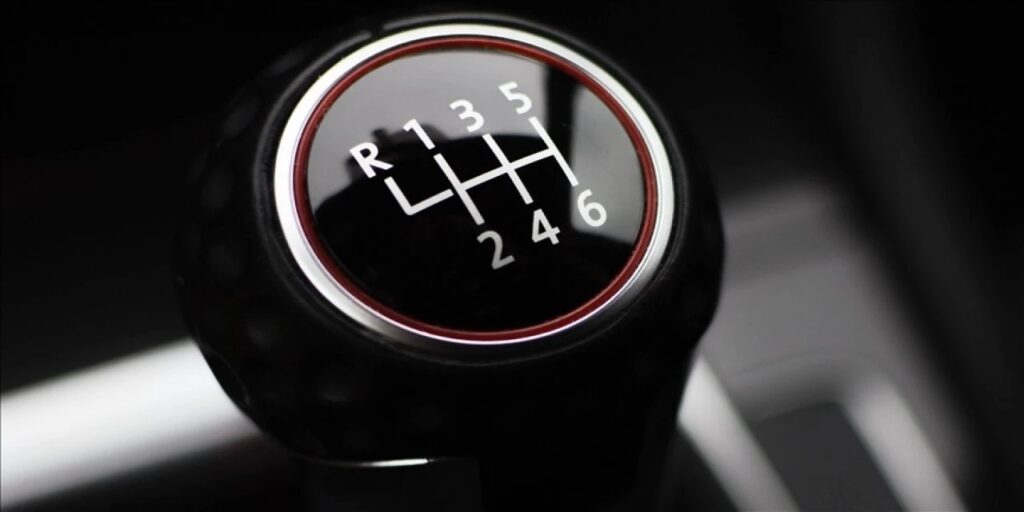
Manual transmission is actually better: the third pedal trains your brain
The automatic transmission won fair and square, and for good reason: it’s easier to crawl through traffic, park, and drive around the city after a hard day. But the manual has one advantage left that can’t be measured by fuel consumption or 0-to-60 times. It doesn’t let the driver fully switch into a mode where routine actions are performed almost on autopilot: you arrive — and don’t remember how. And in Japan, this habit was unexpectedly linked to training attention and memory.
Why the Brain Doesn’t Relax Behind the Wheel of a Manual
Behind the wheel of a car with a manual gearbox, you constantly have to keep several things in mind at once: speed, RPM, the hill ahead, the flow of traffic, and the right moment to shift. Your left foot works the clutch, your right foot modulates the gas, your hand selects the gear — and at the same time you’re watching what’s going on around you.
It’s precisely this combination of actions, as claimed in a Japanese study, that more intensely engages the part of the brain responsible for memory, concentration, and decision-making. An automatic takes on some of those tasks, while a manual leaves them to the driver — not for the sake of difficulty, but because it doesn’t allow you to drive completely on autopilot.
There’s also a very practical explanation. With a manual, you feel the car better: you understand why it became sluggish on a hill, you downshift in advance before overtaking, and you don’t wait for the electronics to do everything for you. It doesn’t make you a racer, but it brings back a simple feeling — you’re controlling the car, not the other way around.
Why a Manual Transmission Doesn’t Cure Memory — This Is Important to Understand
The idea looks tempting: shift gears and keep your brain sharp at the same time. But a manual doesn’t cure memory problems and doesn’t protect against dementia. In summaries of the Japanese study, neither the methodology, the sample size, nor detailed results are disclosed. So it’s more honest to talk about an intriguing hypothesis rather than a medical prescription.
That said, the idea itself is quite sound. The brain benefits from regular activities that require you to constantly notice, decide, and coordinate movements. For some people it’s a manual gearbox, for others it’s playing a musical instrument, learning a language, or navigating without GPS.
Incidentally, in Japan itself, new cars with manual transmissions are already a rarity — they account for only about 1–2% of sales. That makes the skill, which was perfectly ordinary until recently, all the more valuable.
Who Should Consider Going Back to a Manual Transmission
Buying an old car with a manual gearbox just for the sake of “brain training” is definitely unnecessary. In daily bumper-to-bumper traffic, an automatic is often the smarter choice: it saves energy, and a tired driver doesn’t become more attentive — quite the opposite, in fact.
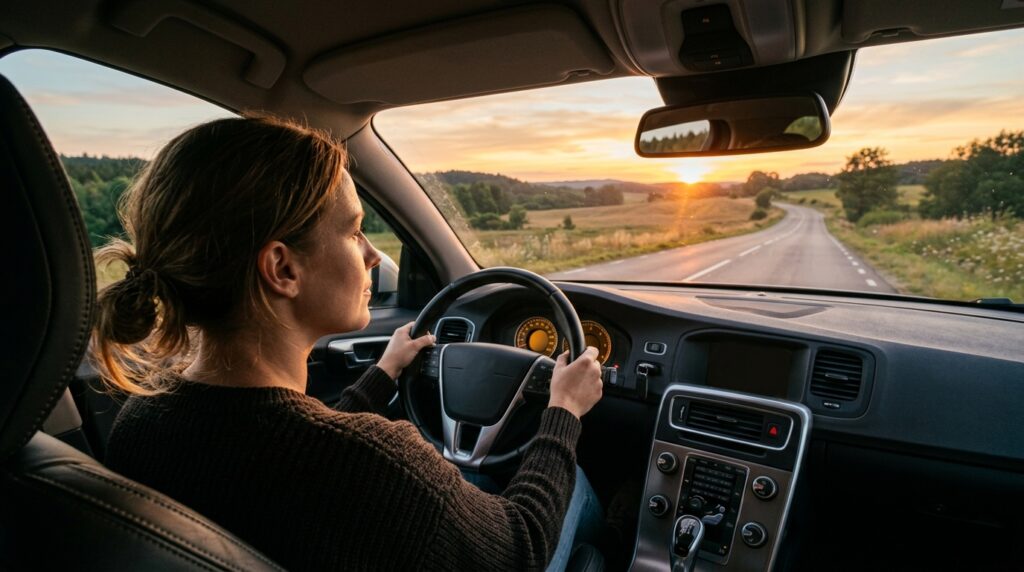
Manual driving skills come in handy outside the city and with rental cars
But if you already know how to drive a manual, don’t write off that skill. It will come in handy:
- on trips to unfamiliar places
- in a rental car, where a manual transmission is often what’s available
- outside the city, where feeling the engine matters
- simply to bring back that sense of alertness that modern cars increasingly take away
And for those who want to learn from scratch, you shouldn’t practice in city traffic right away. It’s better to first master the clutch and shifting with an instructor on a quiet practice lot: safety is more important than any talk about brain benefits. The logic here is the same as when choosing any technology for your home: first think about what’s actually convenient and safe, rather than trendy promises.
What a Manual Transmission Actually Does for Your Brain
An automatic is a convenient helper, and arguing with that would be foolish. But a manual reminds us of a simple truth: sometimes it’s good to leave yourself a bit more work. Especially the kind that makes the drive more engaging and doesn’t let your mind switch off too soon.
No one has yet proven confirmed benefits for memory, and you shouldn’t expect miracles from a third pedal. But keeping your brain sharp with familiar yet mindful activities is a solid idea. And the manual gearbox is just one of many ways not to go through life on autopilot.