We usually argue about where to buy a smartphone cheaper and completely forget about the second, equally important question: when. The price of the same device fluctuates so much over a year that the difference can easily exceed tens of thousands of rubles. The same flagship on launch day and the same one six months later come with two completely different price tags despite absolutely identical hardware. Everyone knows how to catch sales, but there are many more good moments to buy, especially since new generations increasingly differ from last year’s models only by the box. Let’s break down four moments when smartphones drop in price the most.

Figuring out when it’s most profitable to buy a phone
Is It Worth Buying a Smartphone Right After Launch
The most reliable rule: don’t buy a smartphone at launch. The launch price is always the highest — it includes both the hype around the new product and the advertising expenses. After two or three months, the excitement dies down, and the price starts gradually creeping downward.
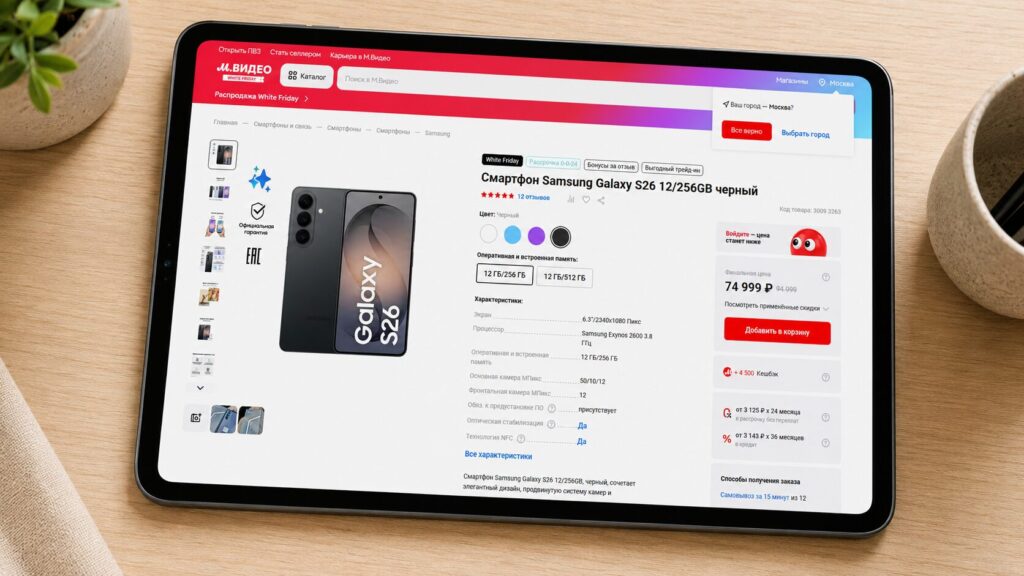
Obviously, buying a smartphone right after launch is a bad idea
And after just a year, a flagship Samsung Galaxy, Xiaomi, or OnePlus has often dropped in price by 30–40 percent and is essentially selling at a mid-range price. The hardware is exactly the same: last year’s chip handles everything, the screen and camera are intact, and updates keep coming for several more years. So if you’ve got your eye on a specific model, it’s almost always more profitable to wait a couple of months rather than buy on day one and overpay for impatience.
Is It Worth Buying a Phone During Sales
The biggest discounts are tied to the calendar. The key dates for a bargain hunter are the November 11.11 sale, followed by Black Friday, and then end-of-year holiday promotions. During these periods, both platforms and stores cut prices seriously, and that’s when it’s easiest to buy a Samsung with a discount or grab a Xiaomi with a discount that you wouldn’t dream of on regular days.

A sale isn’t always a good deal. Plus, your order might take longer than usual to arrive
One tip, but an important one: memorize the price in advance. Before sales, prices tend to be quietly raised so they can be dramatically crossed out later. Only those who’ve been tracking the model for at least a couple of weeks can see the real savings. A screenshot of the price a month before the sale protects you from marketing tricks better than any review.
Is It Worth Upgrading Your Smartphone Every Year
Short answer — no, and that’s exactly where the savings lie. Consecutive generations today differ very little: a slightly faster chip, a couple more megapixels on the camera, a new body color. Paying full price for such tweaks every year makes no sense, but skipping a generation is, on the contrary, very smart.
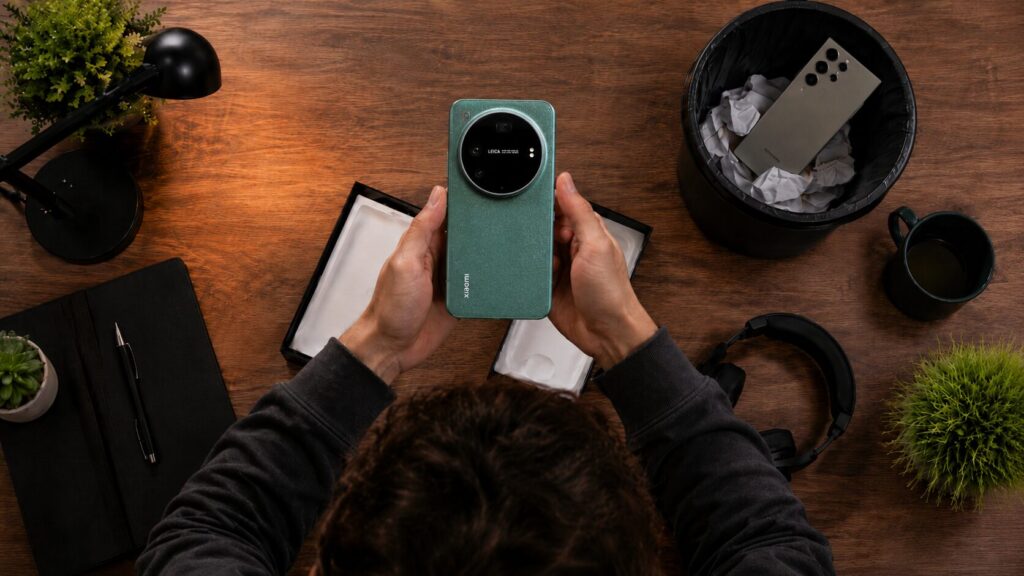
Upgrading your smartphone every year is, overall, quite profitable. But difficult
The thing is, as soon as a manufacturer announces a new flagship, the previous one instantly drops in price because stores need to clear their warehouses for the new product. The same effect works in the mid-range segment, which is especially rich on Android. Chinese smartphones like Poco, Redmi, and realme get updated frequently, and the previous model after the successor’s announcement turns into an excellent affordable yet powerful smartphone at half its former price. So upgrading every two or three generations and catching the device right after the new model’s premiere is far more profitable than chasing every annual release.
When Is It Worth Buying a Used Smartphone
The secondary market has its own schedule, and it hints at the right moment especially precisely. The mass dumping of last year’s devices begins right after new models come out: people upgrade and rush to sell their old phones, the number of listings surges, and prices drop. Buying a used smartphone during such a period can cost next to nothing, and the lowest price is most often found not in a store but from private sellers.
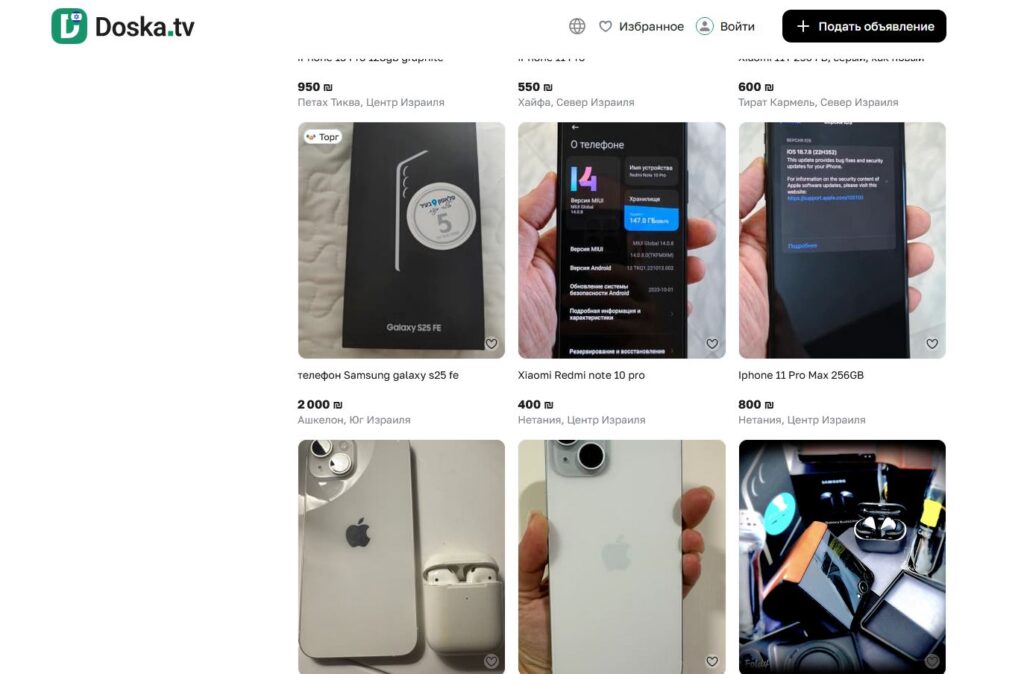
Prices on this platform are actually quite good
This market is especially vibrant abroad. For example, buying a smartphone in Israel is convenient on Doskatv: listings from private sellers without middlemen, prices in shekels, filters by brand and condition, and many listings are marked “negotiable.” Among real offers on the platform, there’s a gaming ASUS ROG Phone 9 with 1 TB in “like new” condition for approximately 70,000 rubles, while its retail price is around 90,000 rubles.
If you live in Israel, you can easily inspect the phone in person: make sure it’s not tied to someone else’s Google account and isn’t blacklisted by IMEI. For Android, this is critical — otherwise you risk getting an expensive brick instead of a smartphone.
When Is the Best Time to Buy a Smartphone
There’s no universal day on the calendar, but the logic is simple. If you want a specific new model, wait two or three months after launch or the nearest major sale to buy a smartphone with a discount. If you’re not tied to a particular model, catch a last year’s flagship right after the successor’s announcement.
And for maximum savings, head to the secondary market in the first weeks after new models come out, when everyone is mass-selling their old devices and it’s easiest to buy a smartphone at a great price. Half an hour of price monitoring almost always saves you more than the luckiest promo code on the day of purchase.