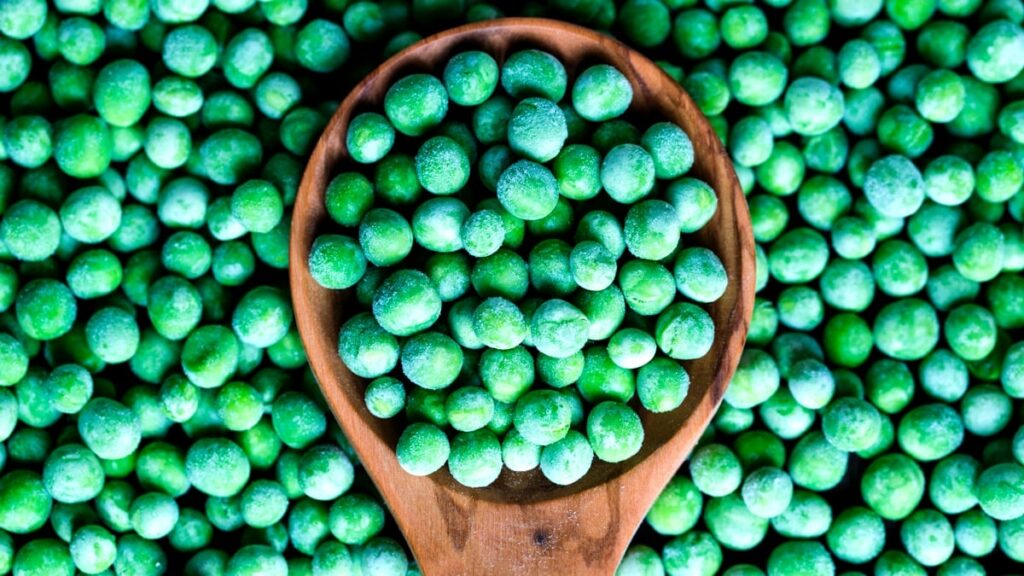
Frozen and canned vegetables and fruits — debunking the myth about the benefits of fresh produce
We are used to thinking of fresh vegetables and fruits as the gold standard of healthy eating, while frozen and canned ones are seen as a compromise for the sake of savings and convenience. In reality, the difference in nutritional benefit is often minimal, and in some cases freezing actually preserves more vitamins. Especially when products are frozen shortly after harvest. Let’s look at what science says and what to pay attention to at the store.
How Many Vegetables and Fruits You Need to Eat Per Day
Vegetables and fruits are a source of vitamins, minerals, and fiber that support health and reduce the risk of various diseases. The Australian dietary guidelines recommend that adults eat at least two servings of fruits and five servings of vegetables per day, and this includes frozen and canned options. In other words, you can meet your daily intake without relying solely on fresh produce.
A standard serving of vegetables is about 75 g (100–350 kJ) or:
- ½ cup of cooked green or orange vegetables (such as broccoli, spinach, carrots, or pumpkin)
- ½ cup of cooked dried or canned beans, peas, or lentils (preferably without added salt)
- 1 cup of green leafy or raw salad vegetables
- ½ cup of sweet corn
- ½ medium potato or other starchy vegetables (sweet potato, taro, or cassava)
- 1 medium tomato
A standard serving of fruit is about 150 g (350 kJ) or:
- 1 medium apple, banana, orange, or pear
- 2 small apricots, kiwis, or plums
- 1 cup of diced or canned fruit (without added sugar)
Why Frozen and Canned Products Are More Cost-Effective
The main argument in favor of frozen and canned products is money and convenience. Most such products are cheaper than fresh ones, and with rising prices, that’s a significant factor. They also often come pre-cut and ready to cook, saving time in the kitchen.
There’s another advantage — shelf life. Canned and frozen vegetables and fruits last much longer than fresh ones, so they are available year-round and less likely to end up in the trash spoiled. Less waste means both savings and environmental benefits. With fresh produce, spoilage happens often, but partially rotted fruits and vegetables shouldn’t be salvaged by just cutting off the darkened part.
Are Vitamins Preserved During Freezing and Canning?
The most interesting point is nutritional value. Frozen and canned vegetables and fruits generally retain their original set of nutrients, and sometimes turn out to be even richer than fresh ones. According to research, the nutritional value of most frozen and canned products is comparable to fresh vegetables and fruits that have been sitting in the refrigerator for a week.
Moreover, processing sometimes increases nutrient content. A good example is apricots: frozen apricots contain noticeably more vitamin C than fresh ones, because vitamin C is used to preserve the fruit.
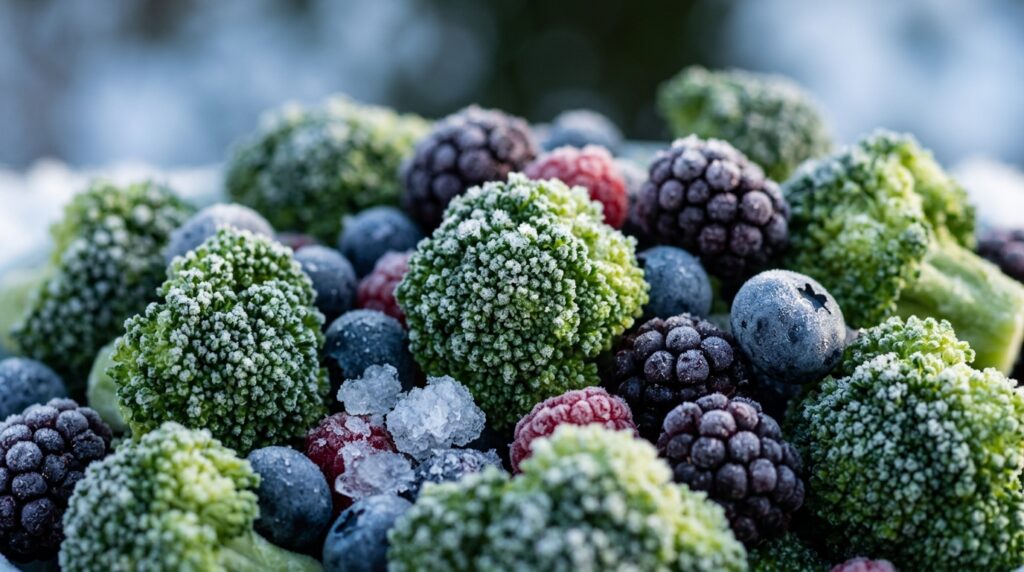
During freezing, ice crystals form inside products, which can affect their structure
Freezing works by using low temperatures that slow down spoilage. Industrial freezing methods effectively preserve the color, texture, and nutritional value of vegetables and fruits. But there’s a nuance: during freezing, ice crystals can form that damage the product’s structure, reduce nutrient content, and make vegetables watery, especially if they are thawed and frozen again.
What Happens to Products During Canning
Canning works differently: products are sterilized at high temperatures so they can be safely stored at room temperature for a long time. The downside is that high temperatures destroy some nutrients, primarily water-soluble vitamins like vitamin C.
But technology keeps advancing. Modern canning methods allow the process to be carried out faster and at lower temperatures, resulting in fewer lost nutrients.
Safety is also worth mentioning: frozen vegetables and fruits can be contaminated with the bacterium Listeria monocytogenes (which causes food poisoning), but cooking them before eating reduces this risk. With canned goods, the problem is different: swollen cans should not even be opened.
What to Look for on Canned Food Labels
The main pitfall of canned goods is hidden salt and sugar. Canned vegetables often contain a lot of salt, so it’s better to choose products labeled “no added salt” or check the nutrition table for sodium content and pick the option with the lowest amount. A simple trick is to drain the liquid and rinse the vegetables before eating — this reduces the amount of salt.
There are several things worth paying attention to when shopping:
- Beans in sauce and baked beans may contain added sugar and salt — if you eat them regularly, look for reduced-salt versions
- Canned fruits are better bought in their own juice rather than in syrup, to avoid consuming too much sugar
- Pay attention to labels saying “no added sugar” and “no added salt”
These simple checks help you get the benefits of canned goods without also getting excess salt and sugar.
How to Conveniently Use Frozen and Canned Products
This part is very straightforward: canned fruits can be eaten as a snack on their own, added to porridge or yogurt, and in many recipes fresh fruits can easily be replaced with frozen or canned ones. Frozen vegetables are a lifesaver for quick dinners: for example, frozen green peas and edamame cook in just a couple of minutes and are easily added to stir-fries or stews at the last moment.
And don’t forget about legumes: a can of lentils, chickpeas, or beans makes a stew or pasta sauce heartier by adding fiber and protein. Since they’re already cooked, you can even toss them into a salad — just don’t forget to rinse them first. And compared to canned options, dried beans, chickpeas, and lentils are even more affordable and also have a long shelf life, although they take longer to cook and sometimes need to be soaked in advance.
Should You Eat Dried Fruits Instead of Fresh Ones?
Caution is needed with dried fruits. They are not recommended as an everyday replacement for fresh, frozen, or canned fruits — during drying, they become more concentrated in sugar. This doesn’t mean they are off-limits: as an occasional snack, dried fruits are perfectly fine; you just shouldn’t make them the foundation of your diet. And read the ingredients carefully: dried fruits are often coated in sugar syrup.
It turns out that the division into “healthy fresh” and “second-rate frozen” is an outdated myth. Frozen and canned vegetables and fruits help you meet your daily intake more cheaply and conveniently, and in terms of vitamins they often match fresh produce. It’s enough to read labels for added salt and sugar — and you can confidently keep a full supply of healthy food in your freezer and pantry.