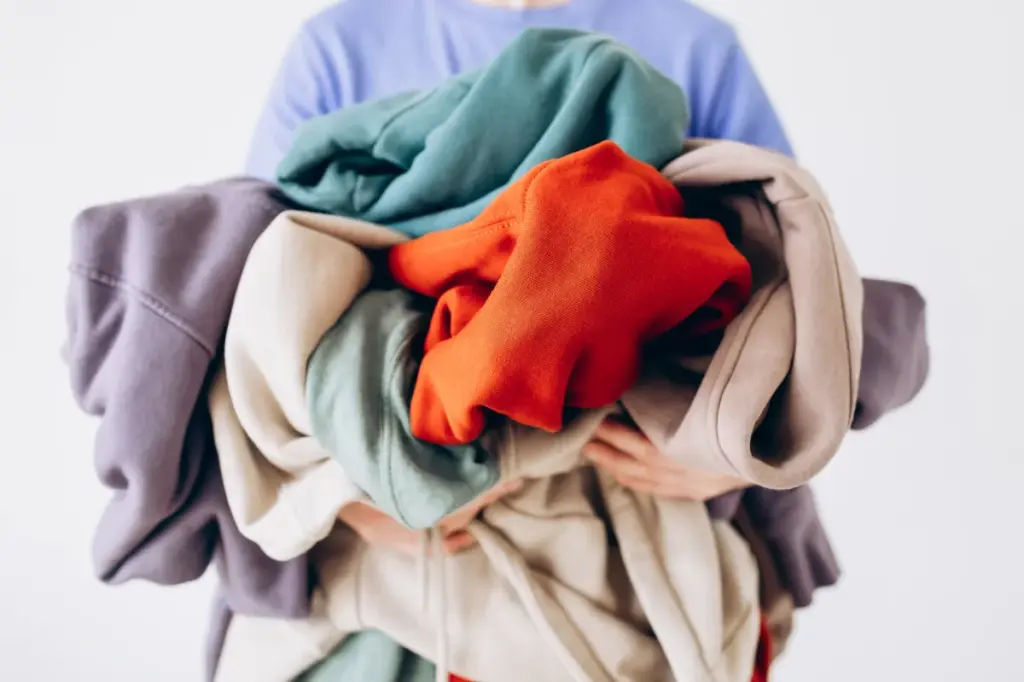
What to do with old clothes? Image source: popsci.com
The closet has been sorted, the good things have been set aside, and you’re left holding a stained t-shirt, worn-out jeans, and a towel that has seen better days. Old clothes can still be useful: they can be repaired, turned into handy items, or taken to recycling. The key is to properly assess the condition of the fabric. If it’s covered in stains or mold, soaked with chemicals, or has a persistent unpleasant smell, there are almost no options left. But ordinary holes, faded color, and a stretched collar are not yet a reason to throw something away.
How to Sort Old Clothes Before Recycling
First, check whether the item is truly beyond saving. A button can be sewn back on, a split seam can be stitched up, and a small hole can be covered with a patch. Even a broken zipper doesn’t always require a full replacement: the problem may only be with the slider.
Minor repairs often save clothes. At international Repair Café workshops, 490 out of 539 jackets brought in were successfully repaired, along with 1,634 out of 1,697 pairs of pants. Most often, the repair workers dealt with zippers, seams, linings, and buttons.
If the fabric is completely falling apart, remove intact buttons, sturdy zippers, and decorative details. From the thicker parts of jeans, you can cut out patches. This gives you a free repair kit for the clothes you’re still wearing.
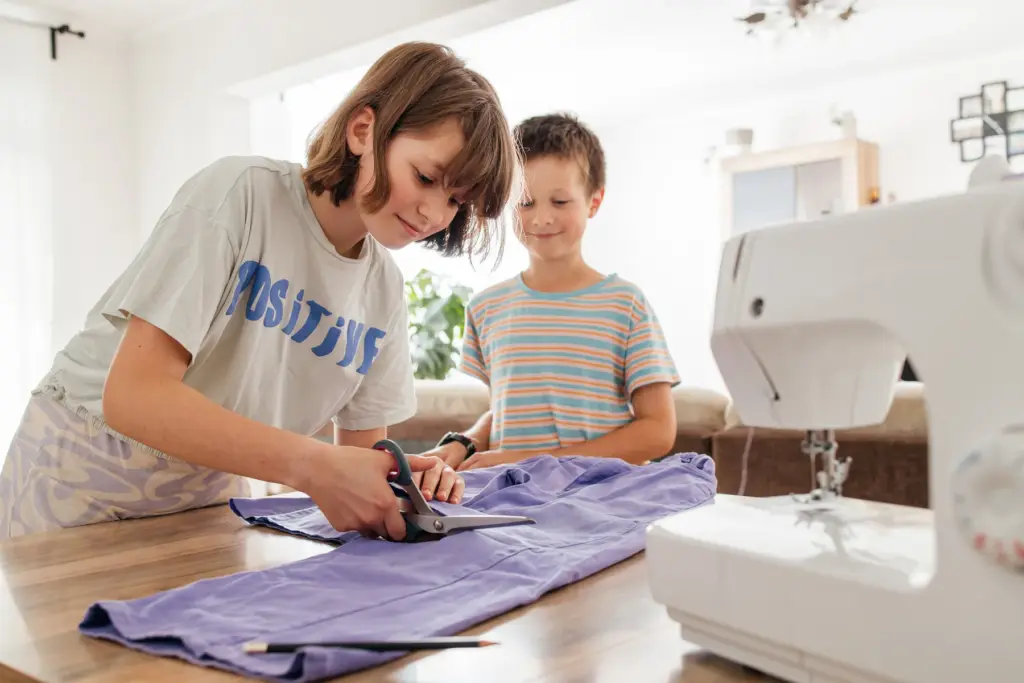
Making shorts from old jeans is a simple way to breathe new life into old clothes. Image source: popsci.com
Rags and Household Uses for Old Clothes
The simplest option for an old cotton t-shirt is to turn it into rags. Cotton and linen absorb water well, soft jersey works for dusting (although microfiber does it better), and thick denim can be used in the garage or during renovations. Regular synthetic fabric absorbs poorly, so it’s better to set it aside for recycling.
Old clothes can be turned into useful things you won’t have to buy:
- rags for the kitchen and bathroom;
- dusting cloths;
- mop pads;
- wiping cloths for paint and oil;
- towels for dirty pet paws.
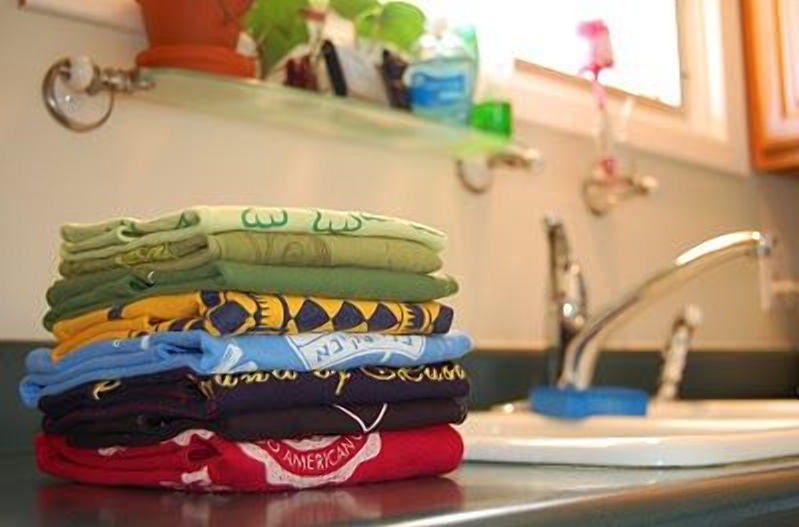
Old t-shirts easily turn into a cleaning kit. Image source: fb.ru
Old sheets, blankets, and towels are sometimes needed by animal shelters. But showing up with a bag unannounced is not a good idea: requirements vary everywhere. For example, the St. Petersburg shelter “Special Friend” accepts clean sheets, duvet covers, and bedspreads, but refuses torn fabric, clothing, and ordinary rags. So first find the specific shelter’s list of needs or call their staff.
Where to Take Worn-Out Clothes for Recycling
If an item can’t be worn or used at home, look for containers and collection points that accept textiles specifically for recycling. After sorting, old fabrics are turned into wiping rags, regenerated fiber, soundproofing, or furniture stuffing. This is one of the simple ways to reduce the carbon footprint of fast fashion.
In Russia, the “Second Breath” foundation accepts unwanted textiles. It and its partners operate collection points in dozens of cities, but the rules for a specific location are best checked in advance. Textiles accepted must be clean: the foundation cannot send heavily soiled or smelly items for recycling.
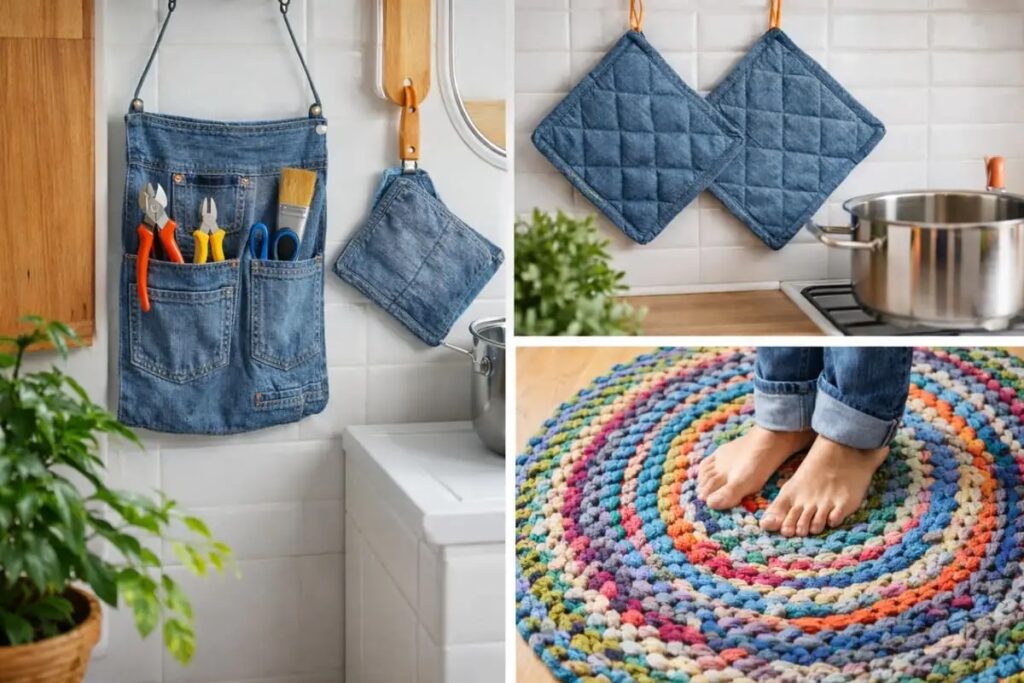
An example of using old clothes. Image source: tagil.life
Before taking items for recycling, do three things:
- Check on the collection point’s website whether they accept rags, not just wearable clothing.
- Wash and completely dry the items.
- Pack the textiles in a sealed bag so they don’t get wet or dirty.
Don’t place a bag next to an overflowing container. The clothes will quickly get wet and turn into ordinary trash — it’s better to find another collection point or come back later.
When You’ll Have to Throw Clothes Away After All
Recycling isn’t suitable for everything. Mold and hazardous contamination make textiles unsuitable both for reuse and for most collection programs. You’ll have to throw away clothes contaminated with chemicals, heavily soaked in oil, or covered in mold — its spores are dangerous to health.
Don’t give such items to shelters, charitable organizations, or leave them near containers hoping that “they’ll figure it out there.” You’ll only add extra work for staff and waste disposal costs.
The order is simple: first try to repair the item, then use it at home, then take it for recycling, and only as a last resort throw it away. You don’t have to sew a designer bag from old jeans — sometimes it’s enough to cut out a couple of good rags or spend a minute searching for the nearest collection point.