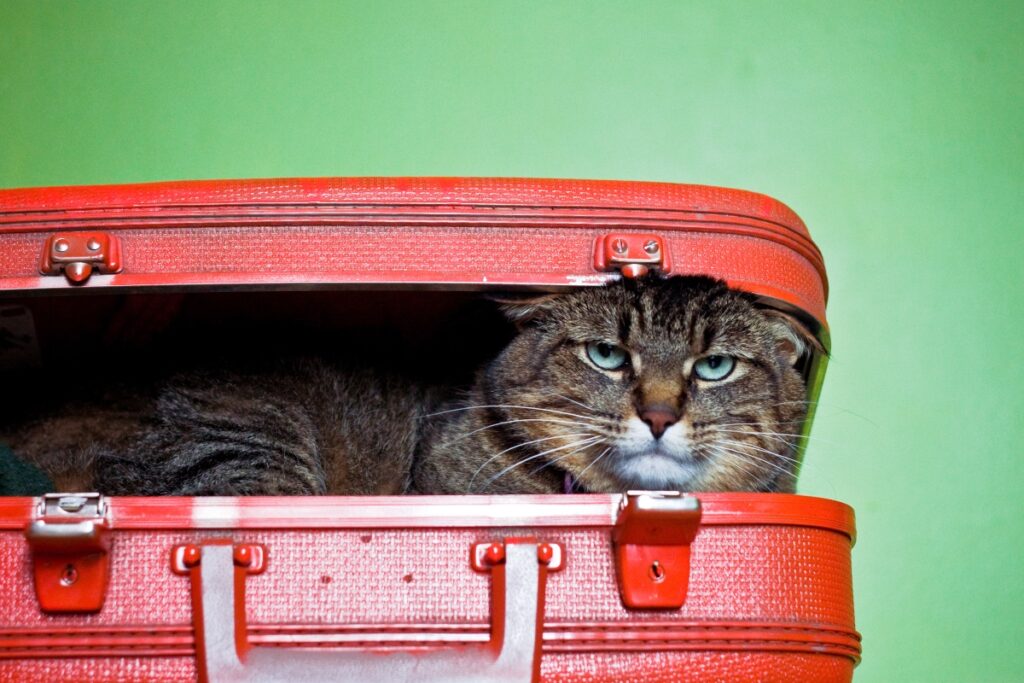
Do cats miss you when you go on vacation?
A cat can calmly spend half the day in a closet and not come when called, and when left home alone, go about its own business. But that doesn’t mean the cat is indifferent to its human. Cats notice their owner’s absence and can miss them, even if they express attachment less obviously than dogs. Don’t expect your pet to necessarily greet you with exuberant joy. Sometimes separation manifests differently: the cat damages furniture, becomes withdrawn, or keeps its distance for a while after the owner returns.
Why Cats Become Attached to Their Owners
Cats are often considered unsociable loners. But they mainly hunt alone, while at home they are perfectly capable of forming strong bonds with people and other animals.
Feline signs of affection aren’t always obvious. A pet may not sit on your lap but simply settle nearby on the couch or stay in the same room with you. For a cat, that’s also communication. Even whom a cat chooses to sleep with often speaks to trust and attachment.
When the owner goes away, the cat loses not just the amount of interaction but also its entire familiar routine. That’s why separation can cause stress, boredom, or confusion. The reaction depends on the individual cat’s personality: one may seek attention from another person, while another may hide and avoid contact.
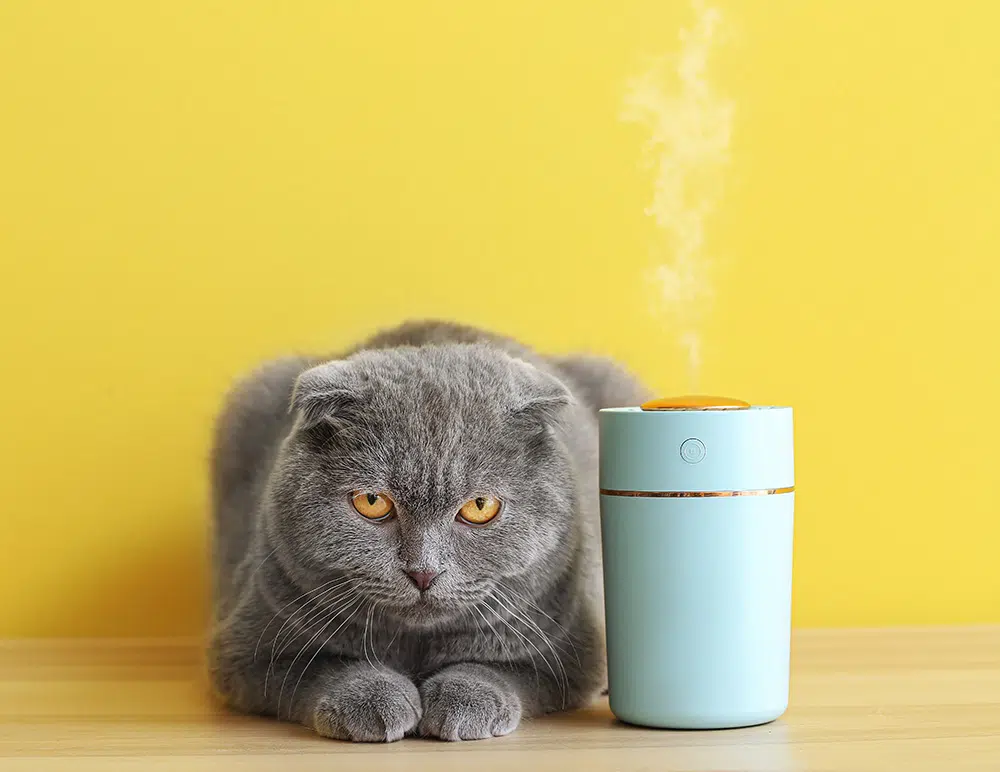
Even a calm cat can notice its owner’s disappearance
How to Tell If Your Cat Misses You: Signs of Loneliness
A cat can’t tell you it missed you, so you have to watch its behavior. Loneliness may be indicated by furniture damage and withdrawal, and sometimes a cat suddenly starts meowing loudly, especially if it didn’t behave that way before.
After your return, your cat may:
- hide and avoid interaction;
- behave more restlessly;
- scratch furniture and other objects;
- not immediately return to its usual habits.
Demonstrative indifference also doesn’t mean the pet didn’t notice anything. Some cats need time to feel safe again and return to their usual interaction patterns.
How to Prepare Your Cat for Your Vacation
The most important thing is to keep the animal at home if possible. A familiar environment reduces stress: the usual smells, hiding spots, bowls, scratching posts, and favorite sleeping places all remain.
A pet hotel may be convenient for the human, but for a cat, the move often becomes an additional ordeal. On top of the owner’s absence, there’s an unfamiliar space, strangers, and other animals — all things that cats are often afraid of. That’s why it’s better to find someone who will come to your home, and even better — someone the pet already knows.
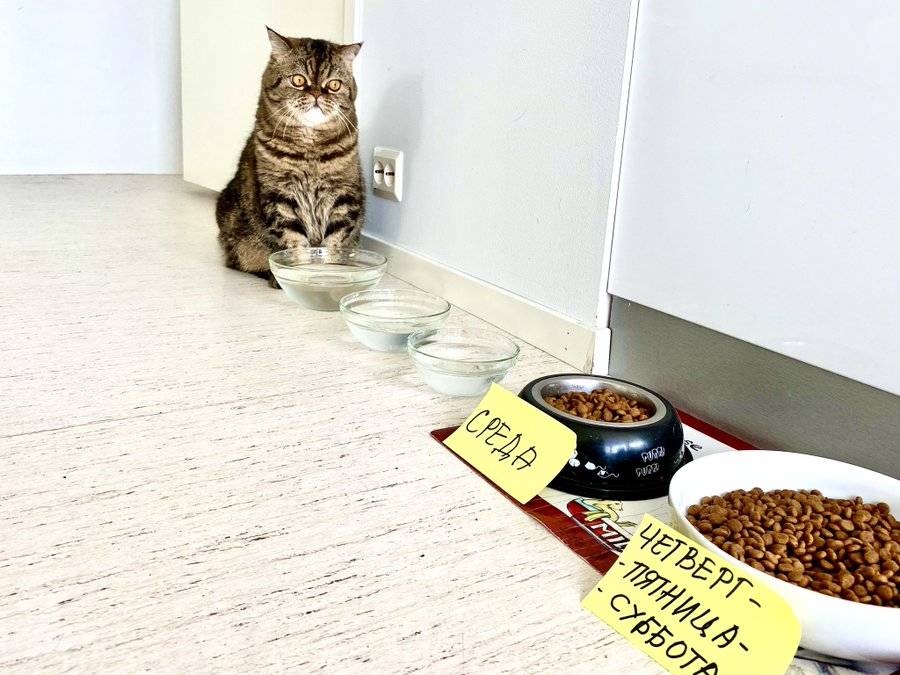
A cat needs not only food and a clean litter box, but also interaction. Image source: do-slez.com
Before leaving, it’s worth planning everything out:
- ask someone not only to feed the cat and clean the litter box but also to play with it;
- maintain the usual feeding and playtime schedule;
- leave access to toys, a scratching post, or a cat tree;
- place a worn item with your scent in the cat’s favorite spot;
- if needed, turn on the radio or TV at low volume;
- consider a calming diffuser with cat pheromones.
These measures won’t replace the owner but will help maintain the cat’s familiar routine and ensure it doesn’t remain entirely without interaction.
Why a Cat Ignores Its Owner After Separation
After vacation, your cat may not run out to greet you. At first, it often watches from a distance, sniffs your belongings, or acts as if nothing special happened.
Let your pet come to you on its own and don’t force hugs — not all cats enjoy being hugged. Calm attention and familiar games will help restore the previous bond more quickly.
Cats may seem self-sufficient, but an owner’s vacation doesn’t go unnoticed by them. It’s best to leave your pet in its familiar home, maintain its routine, and find someone who will provide not just a full bowl but also live interaction.