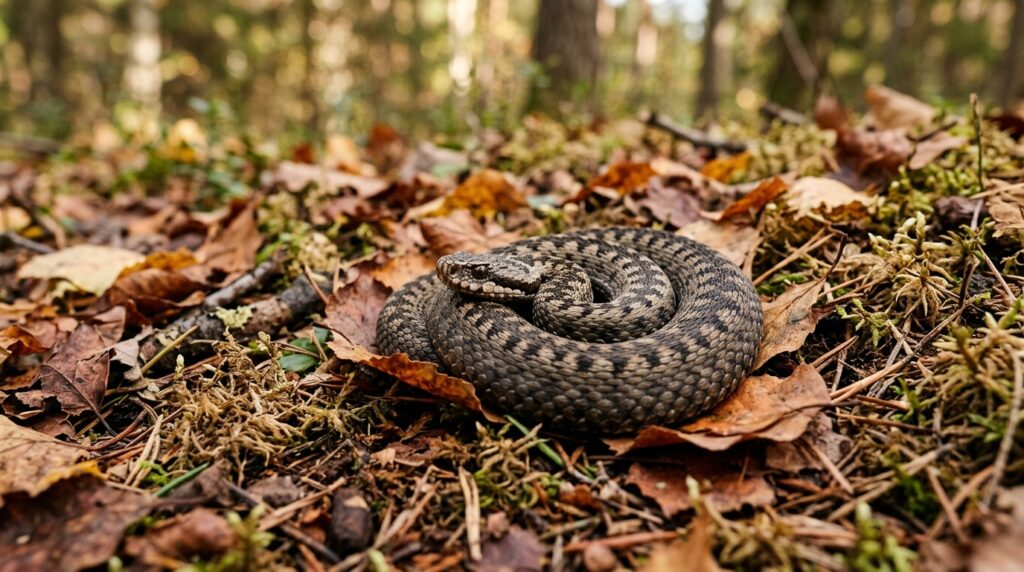
After a viper bite, you must not delay, as it can be fatal
Every year hundreds of people suffer from viper bites, and most of them survive. Death from a viper bite is a rare occurrence, but such cases do happen, and almost always not because of the venom itself, but because of what the victim did immediately after the bite. It is the first minutes that determine the outcome, and even those who are confident they know everything make mistakes here. We have analyzed what actually works and what can only cause harm.
How Dangerous Is a Viper Bite
Many people heading into the forest wonder whether it is possible to survive a viper bite if emergency services are far away. For a healthy adult, a common viper bite rarely ends in death — clinical data estimate the mortality rate at about 1%.
However, the bite is especially dangerous for small children, since their low body weight results in an excessively high concentration of snake venom. Also at increased risk are elderly people, patients with cardiovascular diseases, allergy sufferers, and those bitten in the face or neck. In the latter case, rapidly developing swelling can physically block the airways.
It is also important to understand that the word “viper” can refer to different species. A forest snake bite in the central part of Russia and an attack by the larger Levantine viper in the south are entirely different situations in terms of severity. Therefore, any unknown snake bite should be considered potentially venomous.
What Happens to the Body from Snake Venom
Snake venom is a complex cocktail that destroys tissues and interferes with the blood clotting system. Viper venom increases the permeability of small blood vessels, causing the liquid part of the blood to leak into surrounding tissues. This is why swelling rapidly grows around one or two puncture wounds, the skin turns purple-bluish, and intense bursting pain appears.
Symptoms of a snake bite include weakness, dizziness, nausea, and a drop in blood pressure. In severe cases, shortness of breath, confusion, and signs of kidney dysfunction may develop. The insidious nature of venom is that the condition can worsen gradually, and mild discomfort in the first minutes does not guarantee that hospital treatment won’t be needed.
What to Do Immediately After a Snake Bite
The most effective treatment is getting the person to a hospital as quickly as possible. Before meeting with doctors, you should do the following:
- Move away from the snake to a safe distance;
- Immediately call emergency services so that a team can be dispatched;
- Lay the victim in a horizontal position and ensure complete rest;
- Cover the wound with a clean cloth without compressing the tissues.

If bitten on the leg, the limb should be immobilized, and the victim should not move on their own
Immobilizing the limb is vitally important. The more actively the muscles work, the faster the lymph carries the venom through the body. A bitten arm should be suspended in a sling, and a leg should be immobilized with a splint. It is essential to remove all rings, watches, and shoes. Swelling develops quickly, and any tight object will start acting like a tourniquet.
Can You Suck Out Snake Venom
Attempts to save oneself using old folk methods often cause more harm than the snake itself. Doctors categorically prohibit trying to extract toxins with the mouth. First, snake fangs inject venom too deeply. Second, suction does not remove a significant amount of venom but greatly increases the risk of introducing an infection into the wound.
Another fatal mistake is using belts and ropes to tie off an arm or leg. A tourniquet cuts off blood supply to the limb but does nothing to neutralize the venom, which continues to destroy tissues in a concentrated manner in one spot. This is a direct path to tissue necrosis and loss of the limb.
You also must not cut the wound with a knife, cauterize it, apply ice, or give the victim alcohol. Alcohol only dilates blood vessels, accelerating the absorption of toxins, and prevents doctors from objectively assessing the person’s condition.
Can You Inject Antivenom Yourself
Anti-snake serum exists, but using it in field conditions or at home is fatally dangerous. This medication is produced from purified horse blood proteins and can trigger a severe allergic reaction, up to and including anaphylactic shock. Only a doctor in a hospital setting can assess the risks. The decision to administer the serum must be made by a physician based on the patient’s age, the rate of swelling, and test results.
The main danger when encountering a viper lies in wasting time on folk medicine. Proper pre-medical first aid consists of just two points — complete rest for the bitten body part and getting the person into the hands of professional medics as quickly as possible. This is what gives the best chances of getting away with just a temporary scare and some swelling.