
Who stands behind the magic in Harry Potter: real alchemists, astrologers, and natural philosophers
At the age of eleven, Harry Potter discovers that he lives in a world of spells, potions, and curses, and that an entire hidden magical world exists. At first glance, it all seems like pure fiction. But Rowling’s magical world largely grew out of real ideas from the Renaissance era — a time when alchemy, astrology, and natural philosophy had not yet parted ways with science. We’ve gathered five thinkers whose works literally shine through the pages of the Harry Potter books.
Why Harry Potter’s Magic Resembles Real Science
Today we easily separate chemistry from alchemy and astronomy from horoscopes. But five hundred years ago, no such boundary existed. Scholars of that era seriously studied the magical properties of metals and the connections between humans and nature, and it was precisely from these explorations that modern sciences gradually emerged — from zoology to surgery.
That’s why magic and perfectly recognizable logic coexist so organically in the Harry Potter world. Behind many details stand real people who believed that nature was full of hidden forces and tried to harness them.
Harry Potter’s Philosopher’s Stone: Who Was Nicolas Flamel
The most direct overlap with the books is Nicolas Flamel (1330–1417), a French scribe who became famous for his practice of alchemy — that is, attempts to transform one metal into another. According to legend, Flamel created the Philosopher’s Stone — a substance that could supposedly turn any metal into gold and produce the elixir of immortality.
Remember that name? In the first book of the series, Harry and his friends try to save the Philosopher’s Stone, and Flamel is mentioned there under his real name. Rowling barely invented anything — she took a real medieval legend and wove it into the plot with almost no changes.
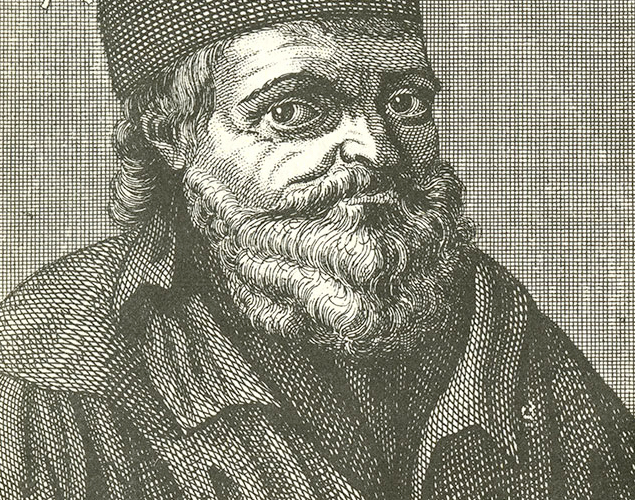
Nicolas Flamel (1330–1417)
Curses, Spells, and Power: What the Real Mage Agrippa Taught
German occultist Heinrich Cornelius Agrippa von Nettesheim (1486–1535) wrote the treatise “De Occulta Philosophia” — about ancient magic and its practical application. The book was published in 1533 and became one of the most important works on occult knowledge of that era.
But his position is what’s most interesting. Agrippa believed that magic could benefit humanity if used respectfully and selflessly. This is exactly the idea that runs through the entire saga: power itself is neither good nor evil — what matters is how you use it. In Rowling’s work, this idea becomes the key distinction between Harry and Voldemort.
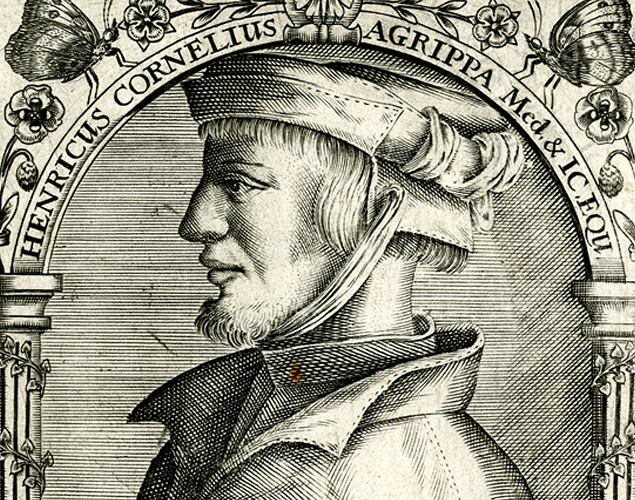
Heinrich Cornelius Agrippa von Nettesheim (1486–1535)
Dragons and Magical Creatures: How Real Scientists Described Monsters
Swiss naturalist Conrad Gessner (1516–1565) published his work “Historiae Animalium” in 1551, which is considered one of the first examples of modern zoology. Previously, scholars described animals based on Greek myths and biblical texts.
Gessner took a different approach — he decided to separate real animals from fictional ones and even included in his books information obtained from dissections, as well as numerous sketches of both mythical and real creatures. Interestingly, he classified dragons as actually existing. In the Harry Potter world, echoes of his records can be felt in the endless bestiaries of magical creatures — from hippogriffs to thestrals, each described with almost encyclopedic thoroughness.
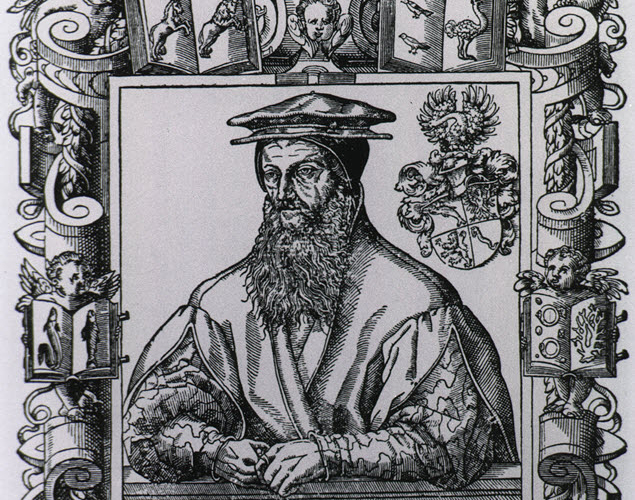
Conrad Gessner (1516–1565)
How Medieval Medicine Came to Resemble Hogwarts Magic
French surgeon Ambroise Paré (1510–1590) made history by inventing less traumatic surgical methods that greatly influenced the development of modern surgery. In an era when wounds were often cauterized with red-hot iron and operations were performed without anesthesia, this was a true breakthrough.
At the same time, Paré was a man of his time: he believed that studying nature was essential to understanding the world and depicted the strangest and most unusual creatures in his works. This combination — a rigorous physician and simultaneously a collector of wonders — perfectly captures the spirit of an era where science and magic had not yet gone their separate ways, just like in our favorite films.
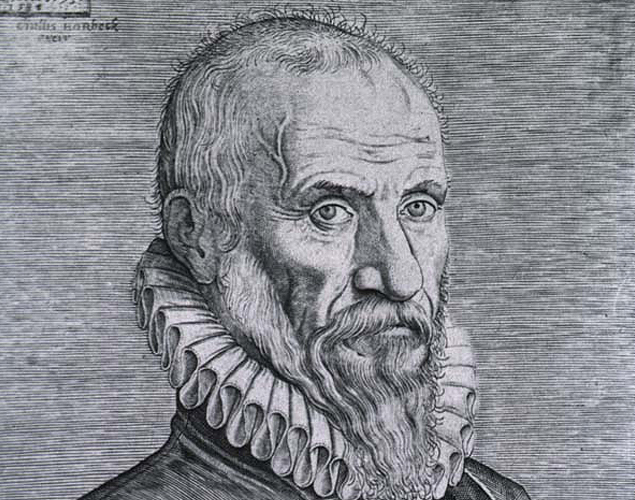
Ambroise Paré (1510–1590)
Potions, Poisons, and Medicines: Why Paracelsus Matters to the Harry Potter World
The Swiss physician with the lengthy name Philippus Theophrastus Aureolus Bombastus von Hohenheim is known to everyone as Paracelsus (1493–1541). He was one of the first to begin using chemical substances and minerals in medicines — essentially standing at the origins of chemical medicine.
But he also held a distinctly un-medieval idea. Paracelsus claimed that medical treatment should be a basic human right, not a privilege of the wealthy. For the 16th century, this sounded almost revolutionary. The name Paracelsus, by the way, also appears in the Harry Potter world — his bust stands in Hogwarts, and this is no coincidence but a direct tribute to the real scholar.
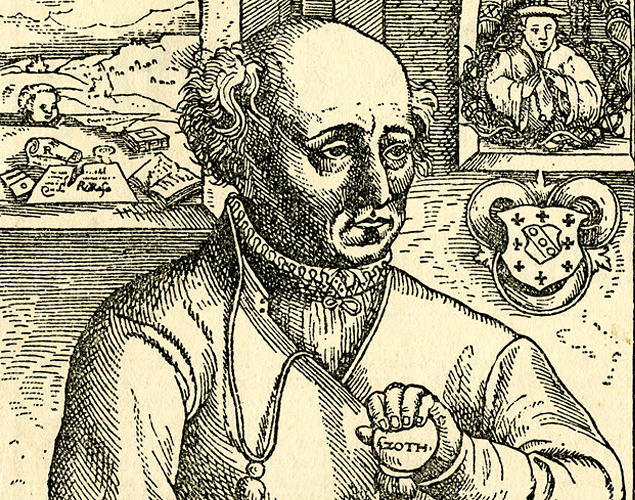
Philippus Theophrastus Aureolus Bombastus von Hohenheim, or simply Paracelsus (1493–1541)
Rowling’s magical world captivates not only through imagination but also because it stands on a real historical foundation. The Philosopher’s Stone, healing potions, responsibility for power, meticulous descriptions of magical creatures — all of these are reflections of real ideas from great Renaissance thinkers. Knowing this, you begin to read the Harry Potter books differently: not as pure fairy tale, but as an intersection with the real history of science.