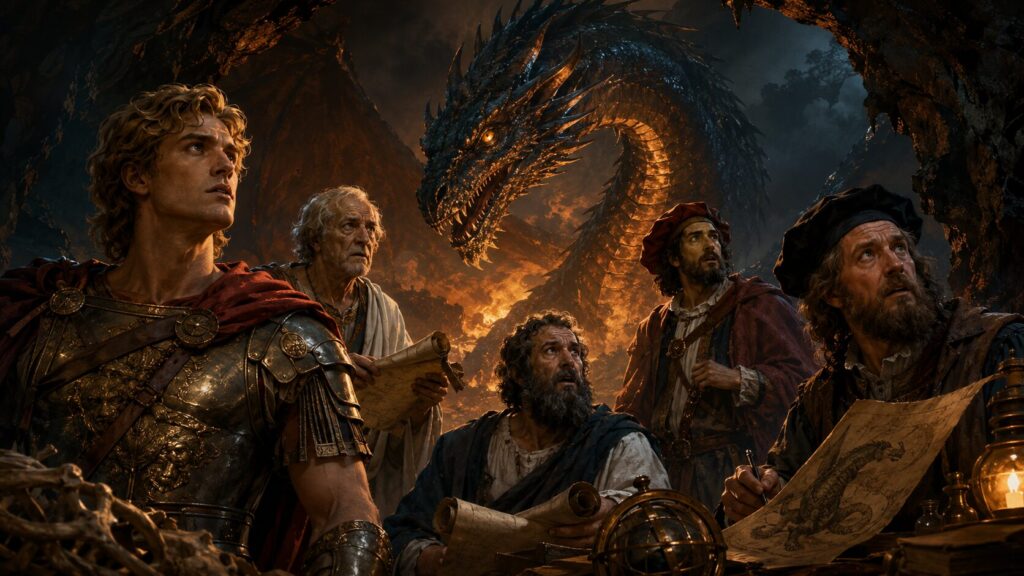
5 historical figures who claimed to have seen dragons
Today, if someone says they encountered a dragon, they’d simply be laughed at. But it wasn’t always this way. There were times when no one doubted the existence of dragons — and stories about dragons came not from village storytellers but from people whose word was respected and considered truth: commanders, historians, travelers, and scholars. Here are five famous people who personally swore they saw a dragon. Were they lying?
Alexander the Great and the Hundred-Meter Dragon in an Indian Cave
During his campaign in India around 330 BCE, Alexander the Great allegedly encountered a dragon. The only surviving source is the treatise “On the Nature of Animals” by the Roman author Claudius Aelian.
According to this account, Alexander’s soldiers heard loud hissing coming from a cave. What they managed to glimpse was estimated to be over 30 meters long. The local inhabitants revered the creature as sacred and begged them not to kill it — so the commander ordered his army to move on, and upon returning home, he eagerly retold this story.
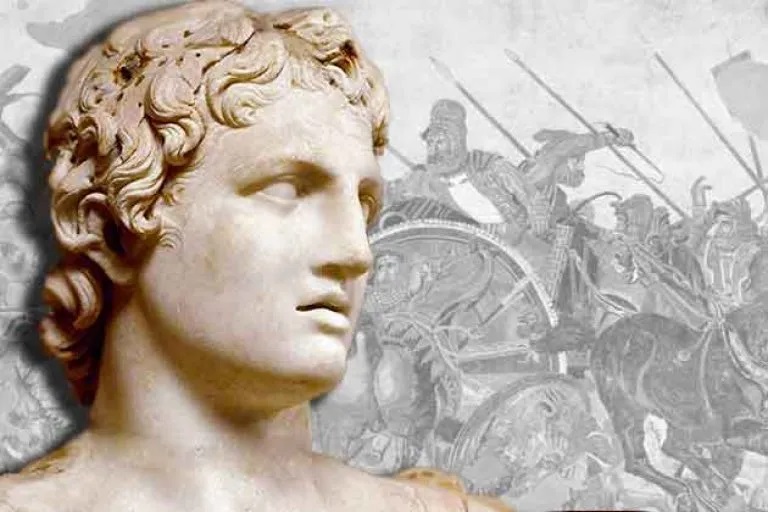
Alexander the Great
Nearly five hundred years separate Alexander himself from Aelian. So what we have is not an eyewitness report but a legend retold centuries later. What exactly was hissing in that cave, we’ll never know, but a giant snake fits the role better than a mythical dragon.
Pliny the Elder Described a Battle Between a Dragon and an Elephant
Pliny the Elder was a Roman historian credited with creating one of the first encyclopedias, “Natural History,” in 77 CE. His fate turned out to be tragic: just two years later, he died after inhaling fumes during the eruption of Vesuvius.
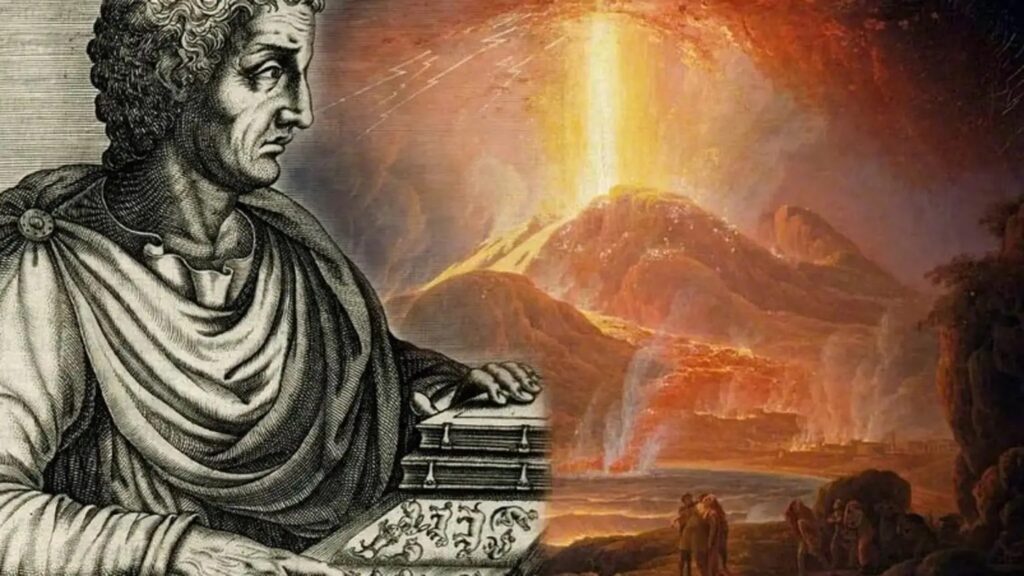
Pliny the Elder
In the eighth book of his work, Pliny wrote about dragons of India and Ethiopia. According to him, these creatures were sworn enemies of elephants, and he even described a fight he allegedly witnessed: a dragon mortally wounded an elephant, but the elephant, as it fell, crushed the dragon with its weight — and both perished.
Interestingly, Pliny gathered information from across the known world and didn’t always separate facts from travelers’ tales. For example, he is credited with the myth that ostriches bury their heads in the sand. Much of his encyclopedia later turned out to be fiction, but it was precisely the author’s authority that made generations of readers believe in dragons as real animals.
Herodotus and an Entire Graveyard of Winged Serpents
The Greek historian Herodotus is called the “Father of History” for his work “Histories.” And this same man left one of the strangest accounts of dragons: during his travels through Arabia, he allegedly saw a massive accumulation of bones of “winged serpents.”
In the second book, titled “Euterpe,” Herodotus described these creatures quite specifically: the body resembled that of a water snake, and the wings were not feathered but most closely resembled the wings of a bat.
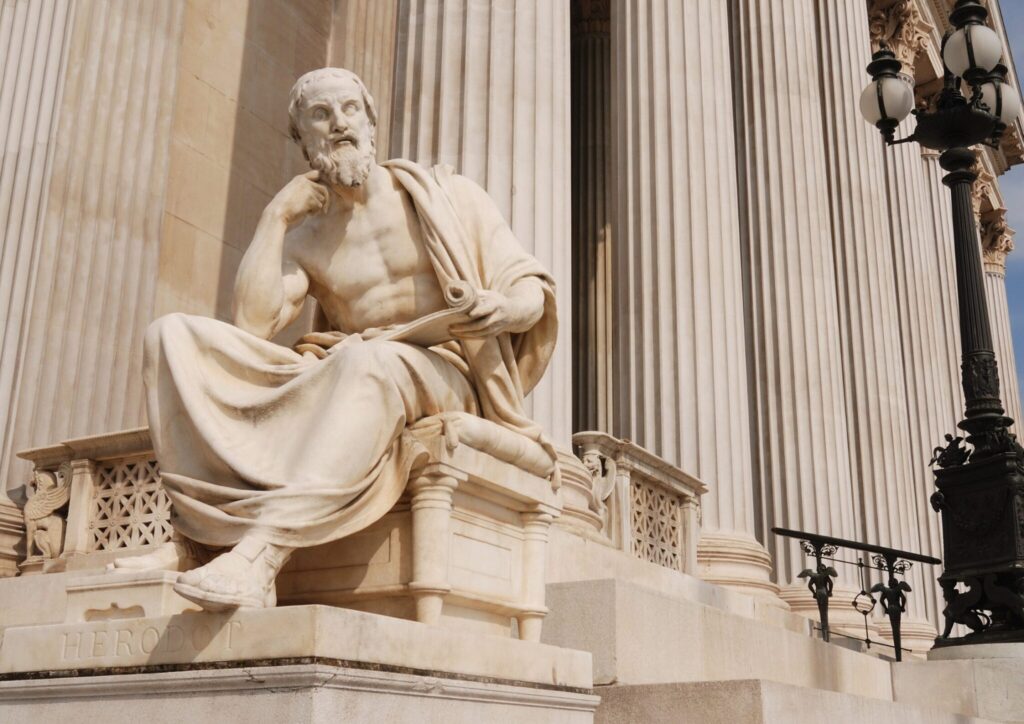
Herodotus
Herodotus wasn’t writing about dragons at all but about the wars between the Persians and Greeks in the 400s BCE. These creatures appeared in his text only in passing, but it was precisely these brief mentions by the “Father of History” that fueled belief in dragons for millennia.
Marco Polo and Dragons with a Mouth Big Enough for a Human
The famous 13th-century traveler Marco Polo became renowned for describing the wonders of distant Asia. In his book “The Travels of Marco Polo,” he recounted that he saw serpents with two legs, approximately 15 meters long. The eyes of these beasts were “bigger than a loaf of bread,” and their mouths were so wide they could swallow a person whole.
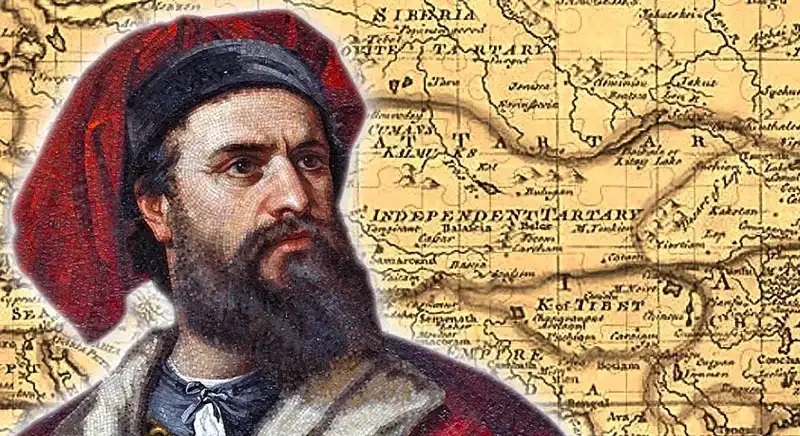
Marco Polo
Skeptics are confident that Marco Polo saw ordinary crocodiles and merely embellished the description slightly to make the creatures appear more mysterious and impressive.
If you look at his words without the mythical flair — two front legs, a huge mouth, intimidating eyes — the portrait of a crocodile comes together almost perfectly. And the “dragon” effect was likely added by distance, fear, and the desire to tell a more vivid story. However, not all of Marco Polo’s notes were exaggerations: in Baku, he witnessed oil being extracted.
Conrad Gessner Listed Dragons in a Scientific Reference Book
The last figure on our list is the most unexpected. Conrad Gessner, a Swiss physician and naturalist of the 16th century, in his work “Historiae animalium” (“History of Animals”), attempted something bold for his time: separating all living things into two categories — myth and reality.
The problem is that he confidently classified dragons as real creatures. Today, scientists believe that Gessner was actually describing snakes, and for “proof” of their dragon-like nature, he relied on biblical texts.
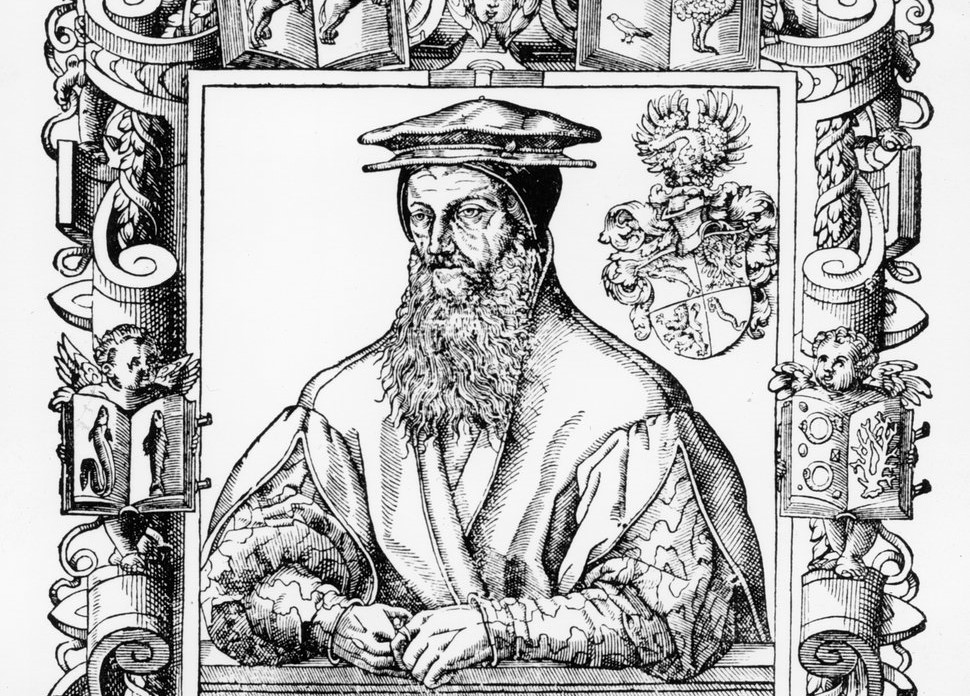
Conrad Gessner
This example shows how blurred the line between science and legend was just a few centuries ago. Even a man who specifically tried to separate facts from fiction couldn’t cross the dragon off the list of real animals. Or perhaps we simply don’t know everything, since even in our time, new species unknown to science are being discovered, or ones that were considered legendary.