10 most “cursed” places in the world: a guide to dangerous destinations
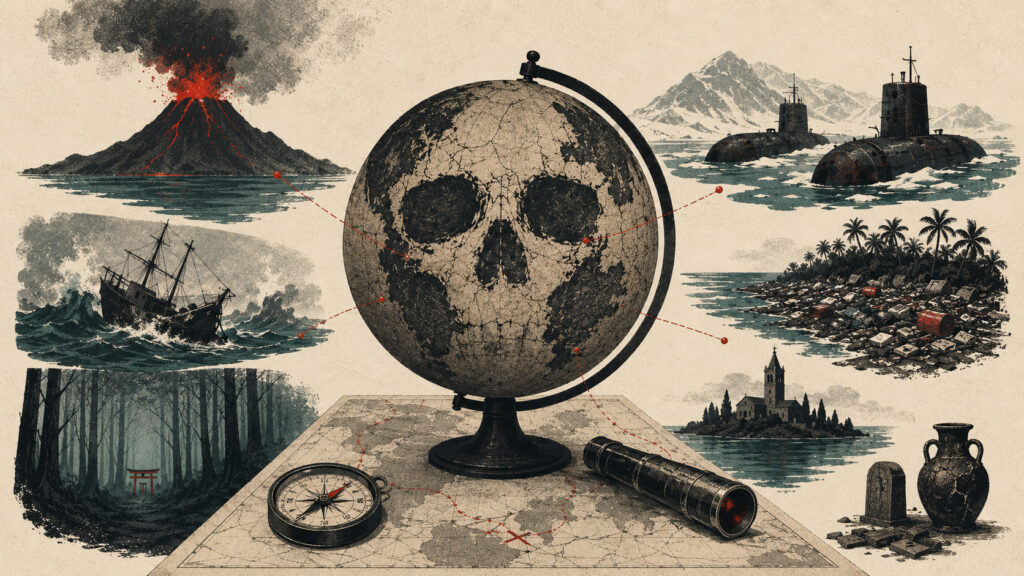
There are places that scare you once you’ve already arrived. And there are places that make you uneasy just from reading about them. French writer Olivier Le Carrer collected forty such locations in his book “Atlas of Cursed Places” — and created a guidebook in reverse: a list of destinations you’d better not book a ticket to. We’ve selected eleven of the most striking ones. Let’s clarify right away: “curse” here is a flexible concept. In some cases it’s a natural disaster, in others it’s radiation and industrial catastrophe, and in yet others — a horrifying story overgrown with legends. We’ll start with places where the danger is quite real, and by the end we’ll reach those where fear is sustained mainly by human memory.
Jharia, India: A Village with Coal Burning Beneath It for a Hundred Years
If it weren’t for people calmly going about their business, Jharia could be mistaken for a place after a bombing. Smoke rises from cracks in the ground, and the soil is subsiding. But the fire here doesn’t come from the sky — it comes from below.
Beneath this district in the state of Jharkhand, coal seams have been burning for over a century. This happens in other abandoned mines as well — eternal fires exist in various corners of the planet — but in Jharia, about half a million people live above this “underground hell.” At first, residents even adapted: the steam from the cracks could be used for cooking. But then houses developed cracks, roads buckled, and the air filled with toxic fumes.
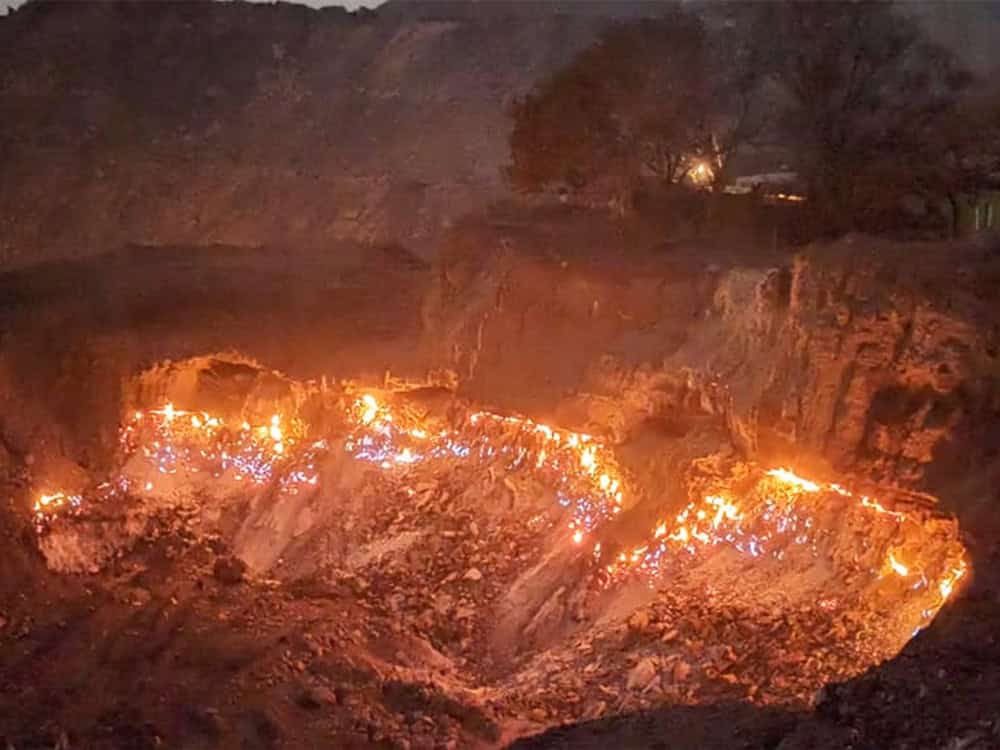
A coal deposit burns beneath a village in Jharia, India.
Zapadnaya Litsa, Russia: A Graveyard of Radioactive Submarines
The Kola Peninsula near the Norwegian border first greets you with tundra, fjords, and polar night. Then Soviet ruins appear: abandoned barracks, broken windows, rusty military hardware.
The most unsettling part is in the fjords. In Zapadnaya Litsa, dozens of decommissioned submarines from the Cold War era were left behind, including giant “Typhoon” class vessels. Le Carrer writes that the old nuclear submarines sit there “like harmless museum exhibits,” though they are anything but. According to his data, the base stores radioactive fuel thirty times the amount that was in the Chernobyl reactor. And spent nuclear fuel requires complex reprocessing and storage.
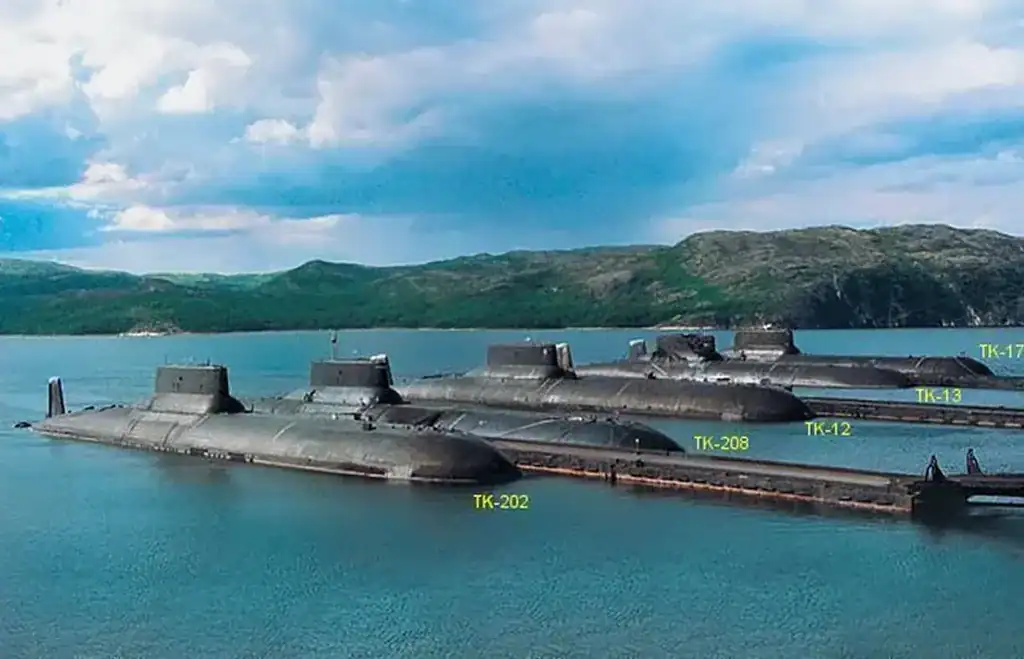
5 Project 941 “Akula” submarines in Zapadnaya Litsa, Litsa Fjord, Kola Peninsula.
Thilafushi, Maldives: An Island Entirely Built from Garbage
The Maldives sell a dream of pristine lagoons. Thilafushi plays a different role: since 1992, this narrow island near the capital has been used as a dump for waste from across the entire archipelago.
The more tourists, the more waste. It arrives by the ton, and some of it is burned on-site. Heavy metals, batteries, and chemicals have seeped into the water. When the island ran out of space, the garbage began spreading across the shallows — right next to that “paradise” lagoon from the brochure. Even paradise, it turns out, has a flip side, and someone has to stand downwind.
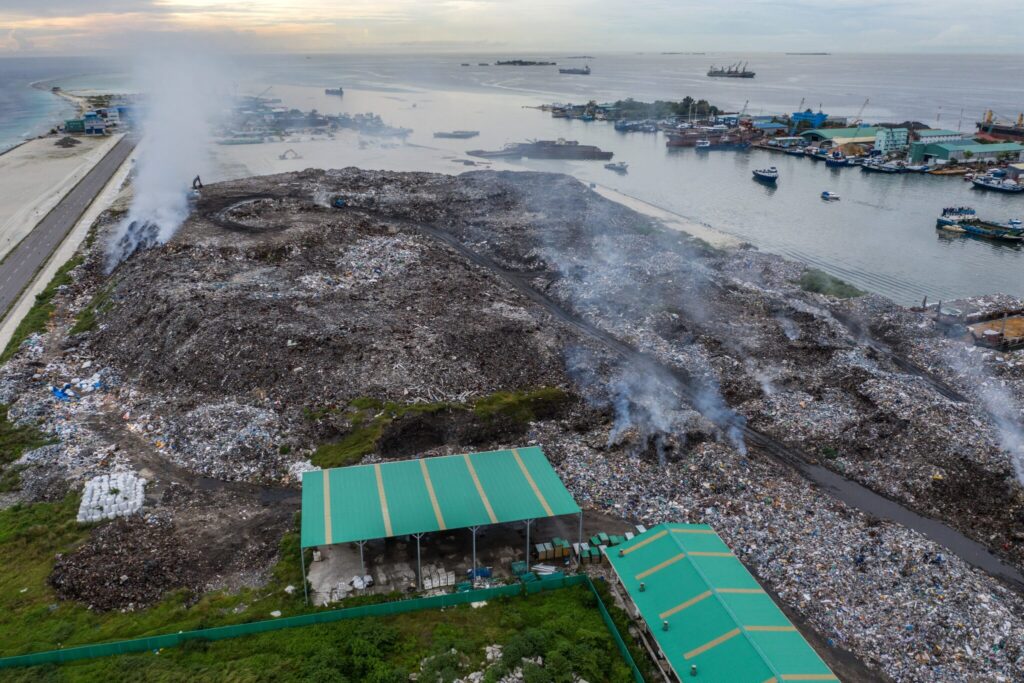
Thilafushi, a Maldivian island entirely built from garbage.
Poveglia, Italy: The “Island of Death” Near Venice
From Venice to Poveglia is just a stone’s throw: a small green island in the lagoon with a bell tower and abandoned buildings. It looks almost charming, but locals call it the “island of death.” In the Veneto region they say: when a bad person dies, they wake up on Poveglia.
Legends say that plague and leprosy victims were exiled here, and that thousands of bodies lie beneath the ground. Later, a psychiatric hospital operated on the island — and the story of a mad doctor emerged. Archives confirm a quarantine station and a hospital that closed in 1968, but not all the bloody details found on the internet are true.
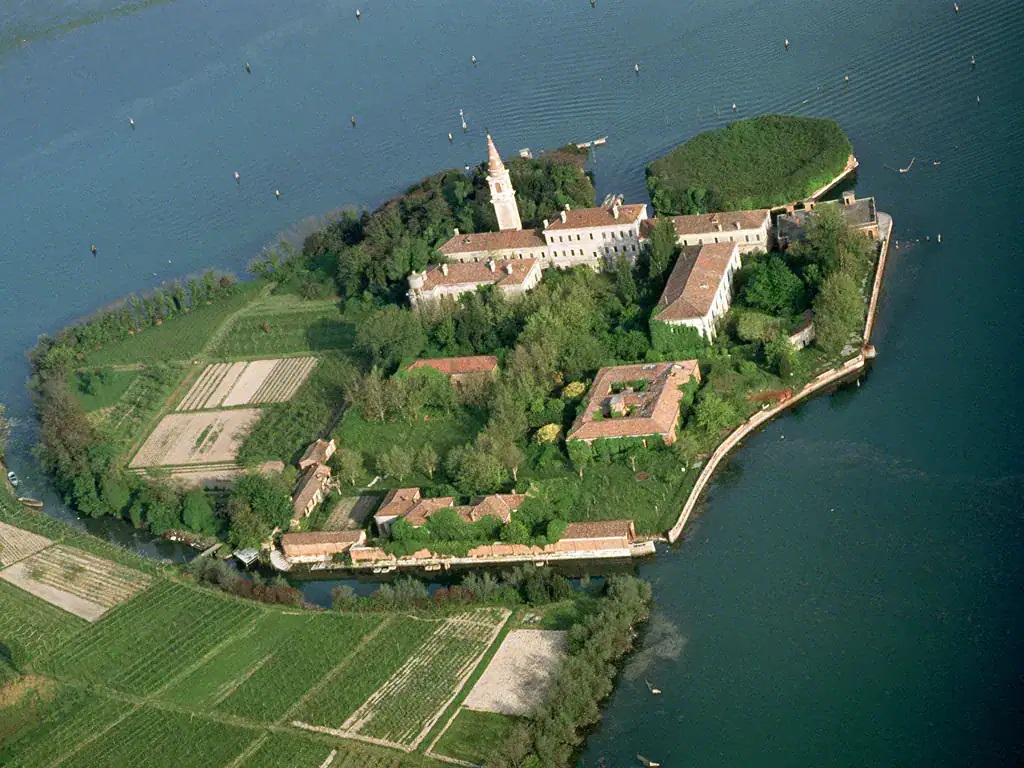
Poveglia, Italy
In 2014, the island nearly went under the hammer: the government put it up for long-term lease, a group of citizens tried to buy it collectively for everyone, but a businessman won the auction. The deal eventually stalled, and Poveglia remains in limbo to this day.
Sunda Strait, Indonesia: Living Next to Krakatoa
The Sunda Strait between Java and Sumatra is beautiful the way a sleeping dragon is beautiful. Here you’ll find shallows, oil platforms, pirates, and one of the most famous volcanoes on the planet — Krakatoa.
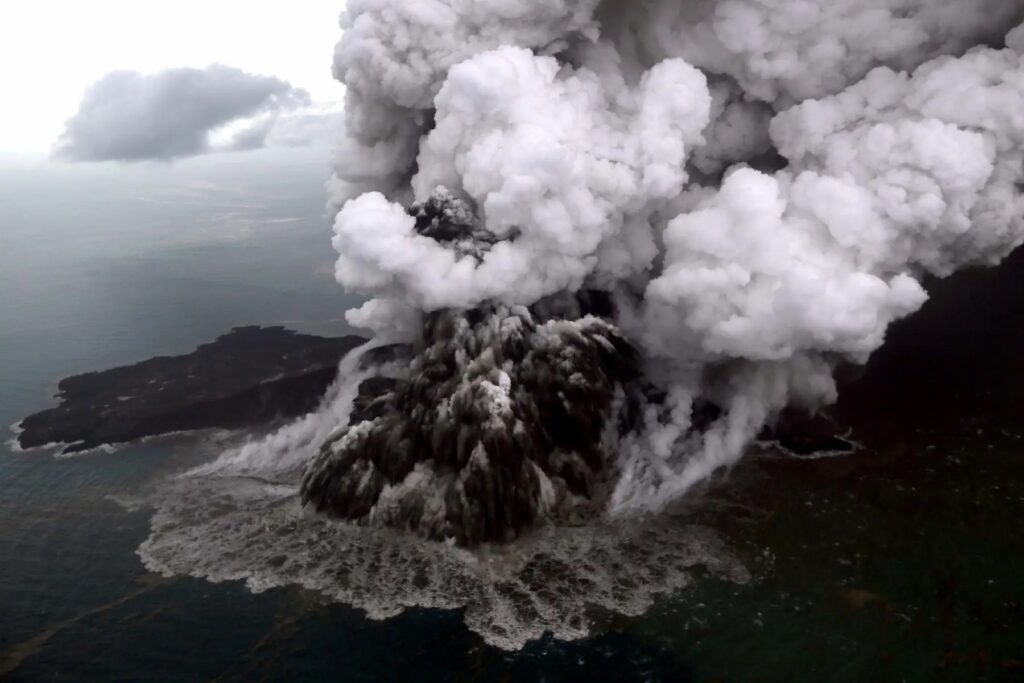
Aerial view of the Anak Krakatau volcano during an eruption in the Sunda Strait in South Lampung, Indonesia, December 23, 2018. The tsunami is believed to have been caused by the eruption of Anak Krakatau and an underwater landslide.
In 1883, after months of eruptions, the volcano exploded so powerfully that the sound is considered the loudest in history: it was heard thousands of kilometers away. Tsunami waves crashed onto the coast, killing approximately 40,000 people. Krakatoa didn’t disappear — its “offspring,” Anak Krakatau, rose from the sea and continues to remind us that geology operates on its own schedule. Indonesia sits on one of the most tectonically active regions on Earth, and living there means constantly adapting to the elements.
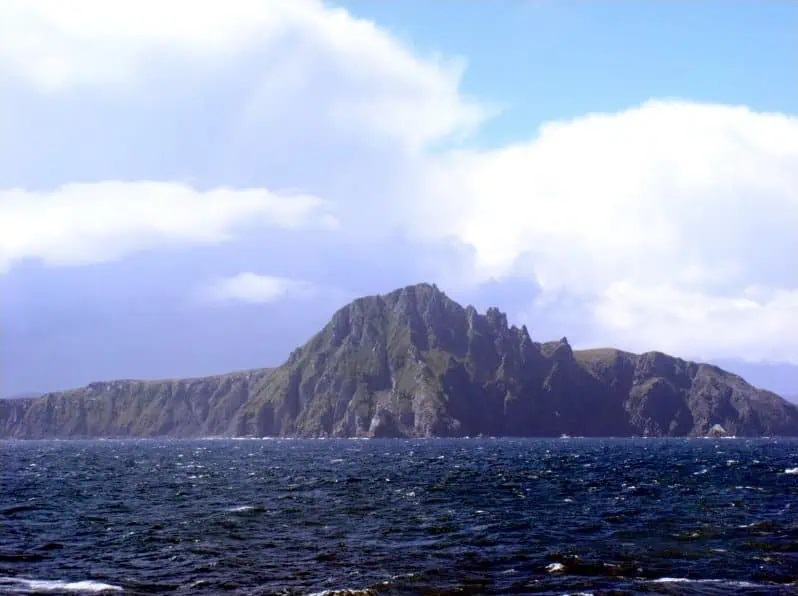
Cape Horn, Chile: A Sailor’s Nightmare
Le Carrer calls Cape Horn a “sailor’s nightmare.” In less than two centuries, approximately 800 ships were wrecked near this grim rock at the tip of South America, claiming around 20,000 lives. Gray seas, cold rain, poor visibility, and monstrous, relentless wind.