Xiaomi has halted distribution of a test build of HyperOS 4 for the Redmi K80 series after a bug in the lock screen left phones refusing their owners’ correct PIN or password, according to a report by XimiTime. The update has been removed from Xiaomi’s servers, but users who already installed it are stuck with a device that boots to the lock screen and goes no further. The affected release is a beta build installed by volunteer participants in Xiaomi’s test program, not the stable firmware. Developers are reportedly preparing a separate fix, but it has not yet been released.
What you need to know
- A HyperOS 4 beta for the Redmi K80 series stops accepting the correct lock-screen PIN or password and shows a “phone locked” message instead, per XimiTime.
- Xiaomi has pulled the build from its servers, so new users will not receive it; a fix is in progress with no announced timeline.
- A factory reset from Recovery reportedly makes things worse: the phone then gets stuck at the Google account verification step during setup.
- Only beta-program participants who installed this specific test build are affected; the stable HyperOS 4 release is not involved.
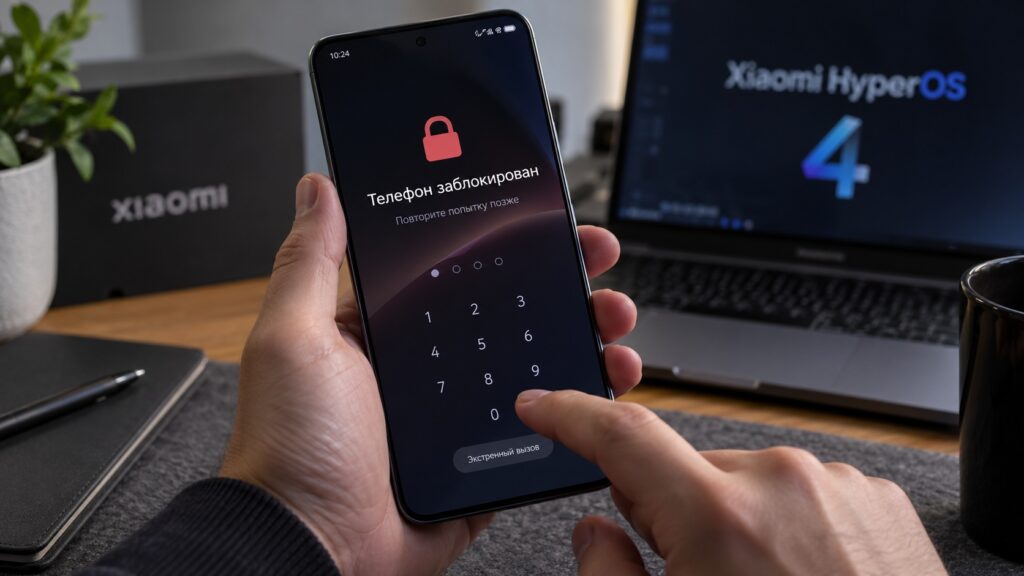
A Xiaomi phone locked out after the HyperOS 4 beta failure
The phone rejects the correct password
The fault lies in the lock-screen password verification mechanism. A user enters their usual PIN or password, the system fails to accept it, and instead of the home screen it displays a message saying the phone is locked. According to the report, there is no user error involved: the code is correct, but the firmware does not recognize it.
As a result, the device powers on, shows the lock screen, and stops there. Technically it is not dead: the hardware is fine and the system boots. But the phone cannot be used; calls, messages, and apps are all inaccessible. This state is often described as a “soft brick”: the phone is alive but locked from the inside.

A Recovery reset only makes things worse
The first instinct in this situation is to enter Recovery mode and perform a factory reset to wipe the password along with the data. XimiTime strongly advises against doing this. After a reset, the phone launches initial setup as if new out of the box, and at that stage the broken beta hits a second problem.
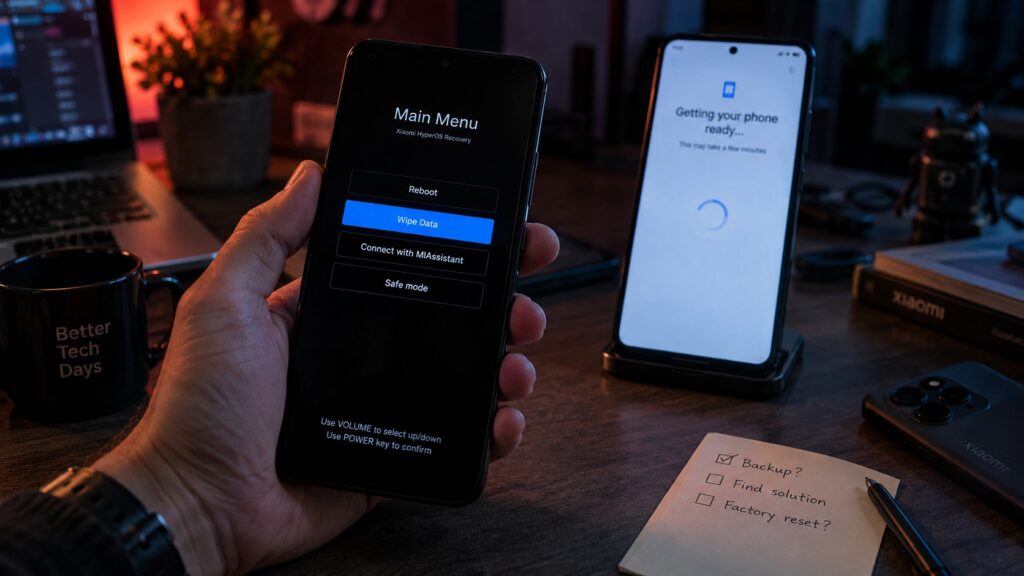
Restoring a Xiaomi phone through the Recovery menu
During setup, Android checks whether the phone is tied to a Google account. This is an anti-theft protection designed to stop a stranger from using a wiped device. Because of the firmware bug, the connection to Google’s servers fails at this step, and the phone gets stuck on account verification with no way to continue. Those who have already erased their data end up waiting like everyone else, but now without the information that was stored on the device. A temporary password problem turns into a setup loop with no self-service exit.

What owners of a locked Redmi K80 should do
Xiaomi has fully stopped distributing the problematic build, so new users will not receive it. For those already stuck, the developers and XimiTime offer several straightforward recommendations:
- Do not try to bypass the lock screen with third-party utilities, ADB scripts, or recovery tools. This can make the situation worse, and the lock can only be fixed by new firmware.
- Do not perform a data reset from Recovery, for the reasons described above.
- Keep the phone charged. The fix may arrive as a background patch that the device needs to download and install, or as a package flashed through Fastboot or Recovery; either way, the phone must be able to power on.
- Follow beta-program announcements: once the corrected version appears on the servers, its details will be published.
XimiTime does not give a release date for the fix, noting only that the team is working on it. Affected users will likely need a backup phone for a few days.
The problem is limited to the Redmi K80 beta build
It is important to be clear about the scope. The affected software is a specific test version of HyperOS 4 for the Redmi K80 series, not the stable firmware Xiaomi pushes to the general user base. Anyone who did not enroll in the beta program and did not install the update manually is not affected.
The episode is a reminder of why beta versions exist: catching exactly this kind of failure before a mass release. The downside is that the tester pays the price with their primary phone. For anyone whose Redmi K80 is their only device and whose data is not backed up to the cloud, the source recommends staying away from beta firmware, noting that Xiaomi has had firmware problems before, though not this severe. Those who still want to test should at minimum enable backups in advance and avoid installing an update the day before the phone is critically needed.