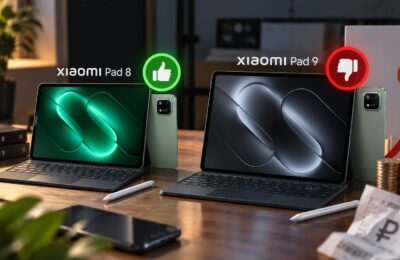
The Xiaomi, POCO, and Redmi lineups are so massive that it’s easy to get lost in them, and not every model deserves your money. Some smartphones are about to lose update support, others have chips that were outdated before you even bought them, and for some you’re overpaying for a brand name and specs you’ll never actually use. I’ve compiled a list of the worst Xiaomi smartphones that aren’t worth buying in 2026, and I’ll honestly explain why.
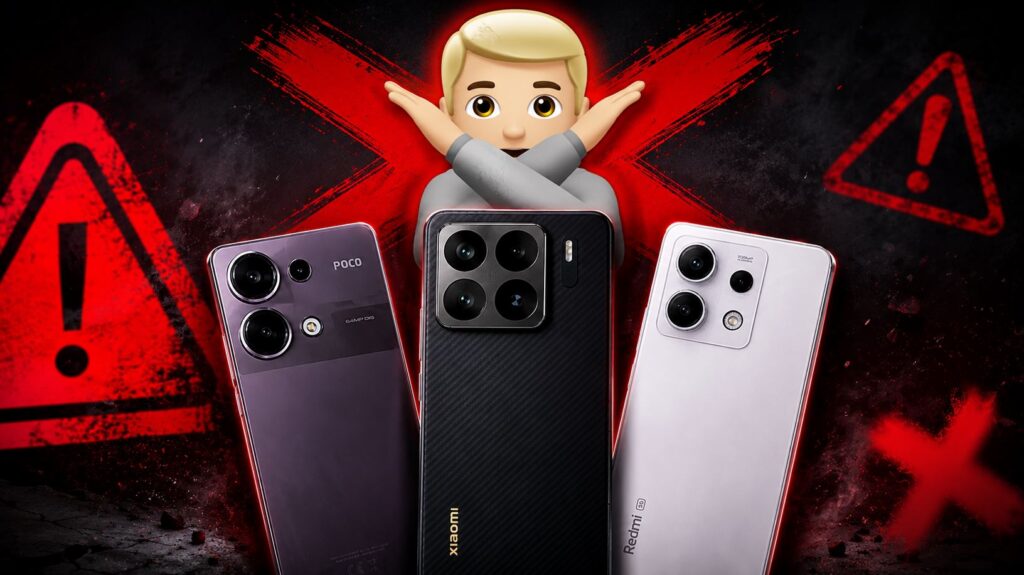
These Xiaomi smartphones should definitely not be bought
Let me clarify right away: all of these Chinese smartphones aren’t garbage. Many of them still run smoothly, and their owners are quite happy with the purchase. The point of this article is different. If you’re buying a phone not for a couple of months but for the next few years, investing in these models right now isn’t worth it, and below I’ll explain point by point why.
POCO F5 — Affordable Gaming Smartphone
This used to be a great value POCO smartphone with a flagship-killer reputation, but the party is almost over. Support for both models ends in 2026: the pair will receive one last major update, and after that the manufacturer washes its hands of them. There’s no point in buying a smartphone that has only one update left.
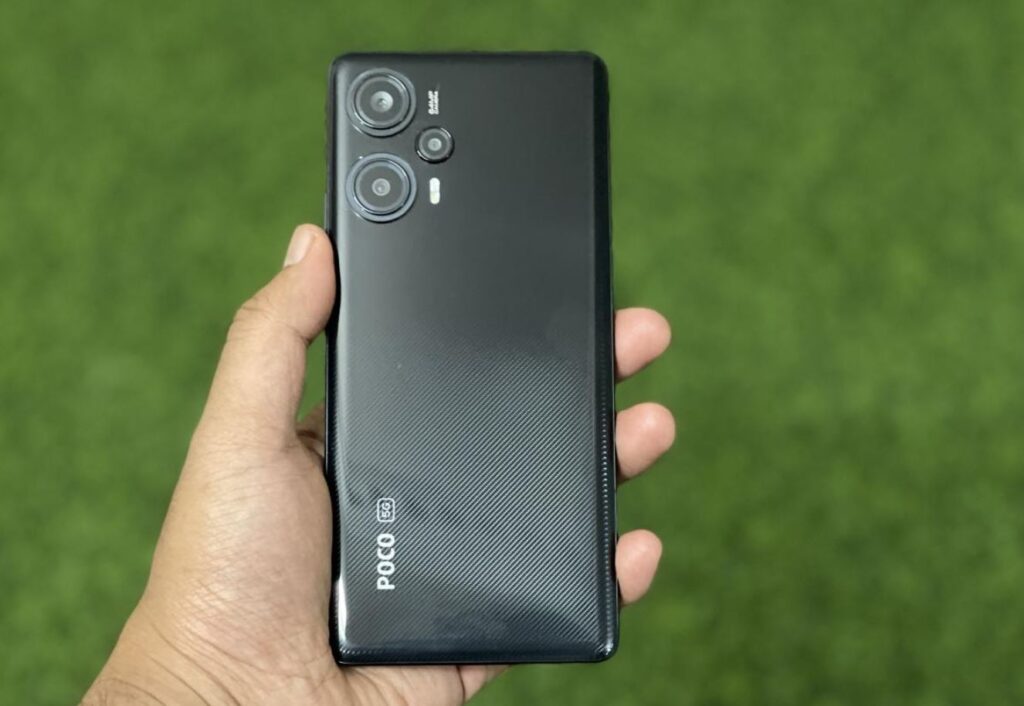
Spending money on POCO F5 in 2026 is pointless
In a year, this will be a device without new features and, more importantly, without fresh security patches, meaning your data will be at unnecessary risk.
POCO X5 and X5 Pro — Affordable Smartphone with AMOLED
Not long ago this was an excellent cheap POCO with a bright screen, but in terms of support timeline, it’s in bad shape. Support for the X5 and X5 Pro ended at the beginning of 2026, meaning by the time you buy them, they’re essentially already out of service. No patches, no new system versions, just slow obsolescence right out of the box.
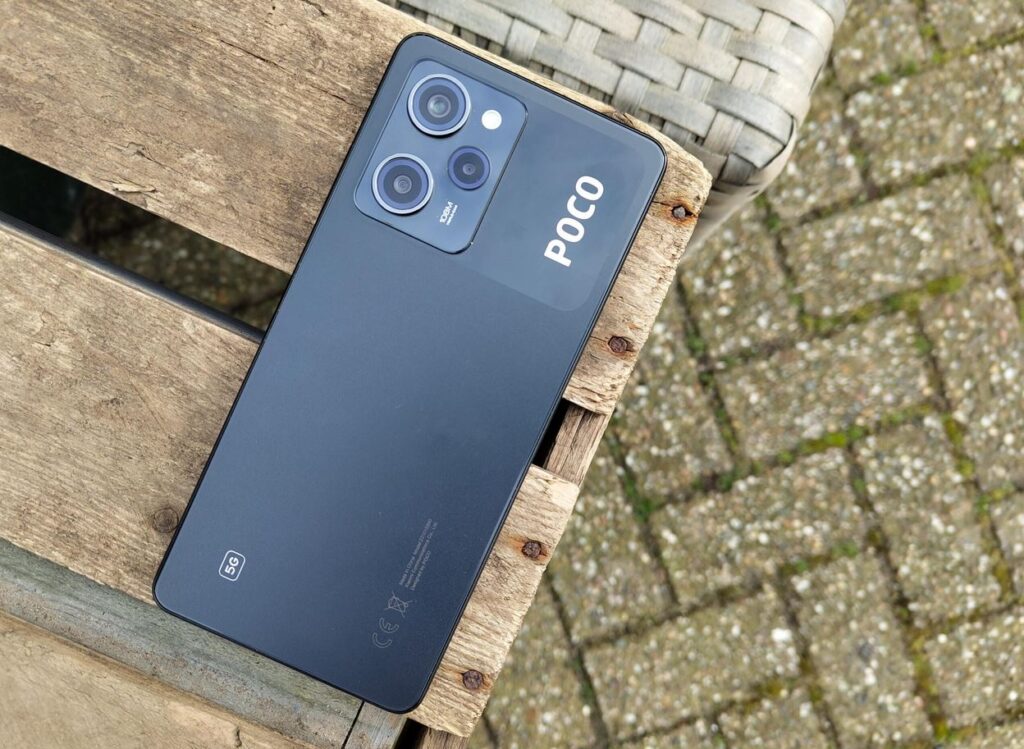
The smartphone is no longer receiving updates, so there’s no point in buying it
For the same money today, you can get a much more current device, for example, a cheap Samsung from the fresh A-series with six years of updates. There’s really plenty to choose from.
Redmi Note 13 — Popular Xiaomi Smartphone
This Redmi with a good camera is still sitting on shelves at a reasonable price, so the temptation is strong. But its update road has almost come to an end: HyperOS based on Android 15 was its last major version, and it won’t reach Android 16. So you buy it today, and in just a few months it’ll be stuck on its current system without new features.
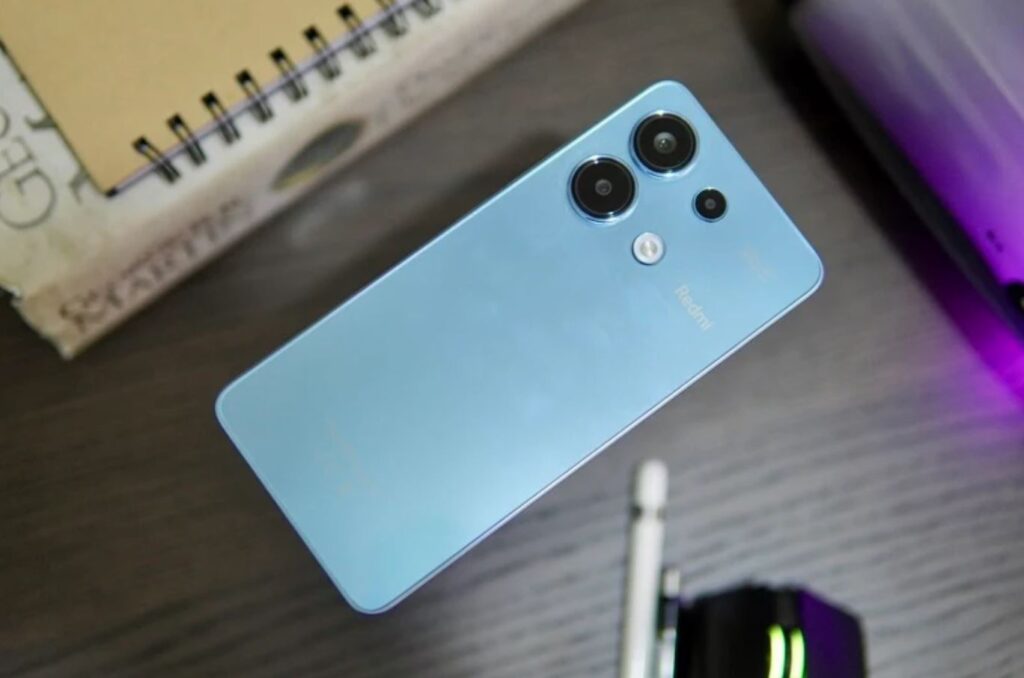
Once a good budget phone, but now there’s no point in buying it
For a couple of years ahead, this is a questionable investment.
POCO M6 Pro — Cheap Smartphone with a Big Battery
On paper, this is a lively POCO with a powerful battery and fast charging, but the heart lets it down. Inside is the Helio G99, a chip that has been migrating from model to model for years and everyone is thoroughly tired of it. It’s enough for messengers and social media feeds, but for serious tasks and gaming — definitely not, it frankly chokes.
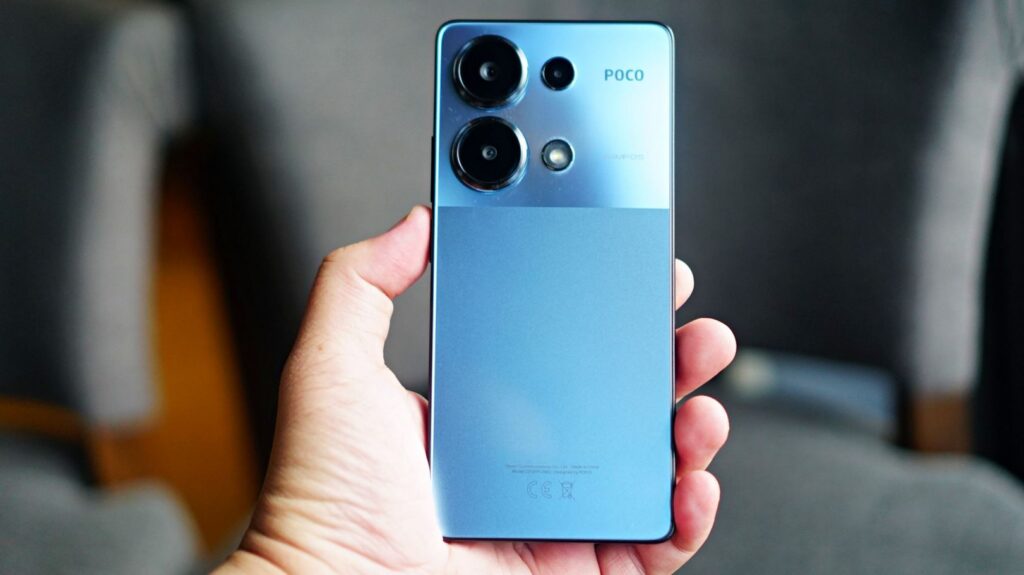
Once a POCO hit, but today there are better options for the same money
In 2026, paying for yesterday’s hardware is a losing proposition.
Xiaomi 15S Pro — Flagship with Xiaomi’s Own Chip
Sounds tempting: the first smartphone running on Xiaomi’s own XRING O1 chip. But this is a classic first pancake situation. The chip lacks an integrated 5G modem, so on fifth-generation networks the device drains battery more greedily than the regular 15 Pro. The proprietary AI barely works without internet, and a persistent Always-On Display is simply unavailable.
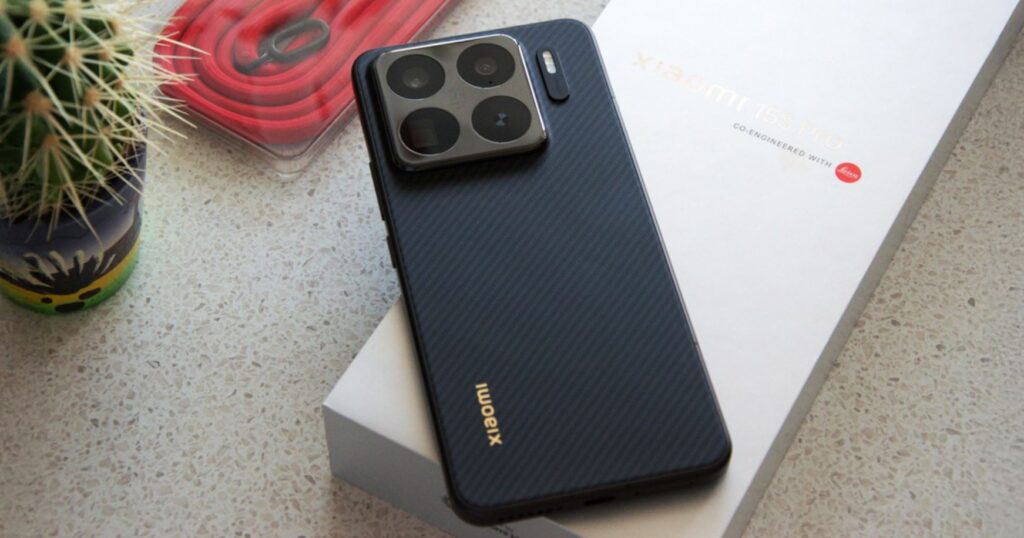
An interesting model, but with its own far-from-perfect chip
Add to this the fact that the model was never released globally and remained a China-only smartphone with all the associated questions about localization, software, and support. Too raw a debut to pay full price for the experiment.
Xiaomi 15T — Powerful Android Sub-Flagship
Seemingly a solid Xiaomi sub-flagship, but there’s an annoying detail. The Xiaomi 15T lacks a full persistent Always-On Display: the information screen turns off after ten seconds, even though the 13T and 14T had this feature working properly. Why they removed a familiar option is unclear.