On July 16, Google Play app store lost MAX, VKontakte, Odnoklassniki, Mail.ru, and other Russian services. The main question that immediately arose for everyone: is this the beginning of something bigger, or will everything be limited to blocking domestic services while the store continues to operate normally? Let’s break down what’s known and what could realistically happen next.
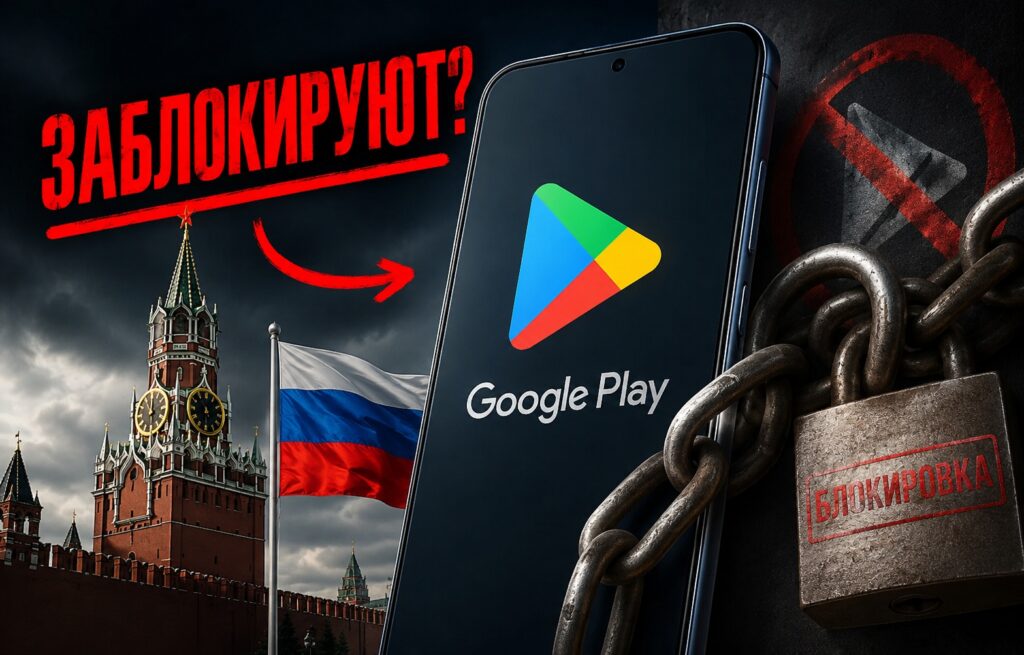
Breaking down the possibility and consequences of Google Play being blocked
Why MAX and VK Apps Were Removed from Google Play
The timeline is short and telling. On July 13, the European Union introduced a new sanctions package — the list included VK and the legal entity associated with the MAX messenger. On July 16, the listings of all affected services disappeared from Google Play: MAX was removed from Google Play, followed by VK along with Odnoklassniki and Mail.ru.
Google did not publicly explain the decision. Formally, the connection to sanctions has not been confirmed by the company itself, but there is no other logic behind what happened. An important nuance: the apps were not removed at the request of Russian authorities. This was Google’s decision as part of compliance with Western sanctions legislation — the same scheme as with the removal of MAX from the App Store in June.
What Authorities Said About the Removal of MAX and VK
The reaction came quickly, but without calls for immediate retaliatory measures:
- Deputy Anton Nemkin stated that Russia “can no longer rely on foreign app stores” and called for more active development of RuStore as a national alternative;
- Deputy Alexander Yushchenko suggested negotiations with Google about restoring the apps — meaning dialogue, not blocking;
- Official representative of the Ministry of Foreign Affairs Maria Zakharova called what happened “classic Western censorship.”
The main thing uniting all these statements: none of the officials proposed immediately blocking Google Play in Russia in response to the app removals. There is rhetoric, but no concrete initiatives so far.
Could Russia Block Google Play?
Technically — yes, it’s possible. Roskomnadzor knows how to block resources, and Google Play as a service is technically not protected from this mechanism. But the removal of Russian Android apps from the store doesn’t automatically lead to blocking — this requires a specific decision and legal basis.
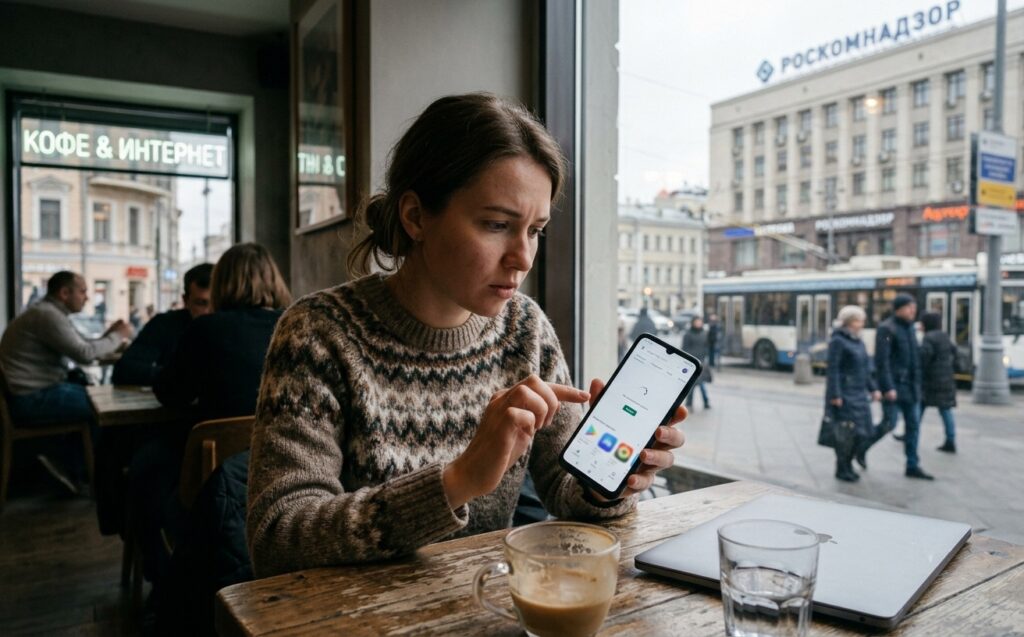
They could block it, but will they?
A telling moment: on July 14 (two days before the app removals), Roskomnadzor published a statement saying it is not blocking Google, Apple, or GitHub. This is the agency’s current official position as of the publication of this text. It’s not a guarantee for the future, but an important signal: the regulator specifically indicated that these services are outside the blocking zone right now.
There are precedents in both directions. Telegram was blocked and unblocked. LinkedIn was blocked in 2016 and remains blocked to this day. Roblox was blocked and unblocked in 2026. Each case was resolved individually. Blocking Google Play in Russia is a possible scenario, but not inevitable and clearly not imminent.
What Would Happen If Russia Blocks Google Play
Let me break it down by levels, because “Google Play blocked” can mean very different things:
- Level 1 — website and catalog only. Accessing play.google.com through a browser won’t work. Searching for and downloading new Android apps through Google Play — not possible. But already installed apps will continue to work.
- Level 2 — downloads and updates. Apps will stop receiving updates through Google Play. Installing new ones through the store won’t be possible either. This is more serious, but still not the end — already installed programs will work.
- Level 3 — Google Play Services. This is where it gets critical. Google Play Services is the system layer through which push notifications, Google account authentication, geolocation for many apps, and purchases work. If Google revokes access to these services, some apps will start working incorrectly or stop launching altogether.
It’s important to understand: all three levels are separate decisions. Google could restrict only the catalog while leaving Services untouched. Or vice versa. Don’t expect that “everything will shut down simultaneously.”
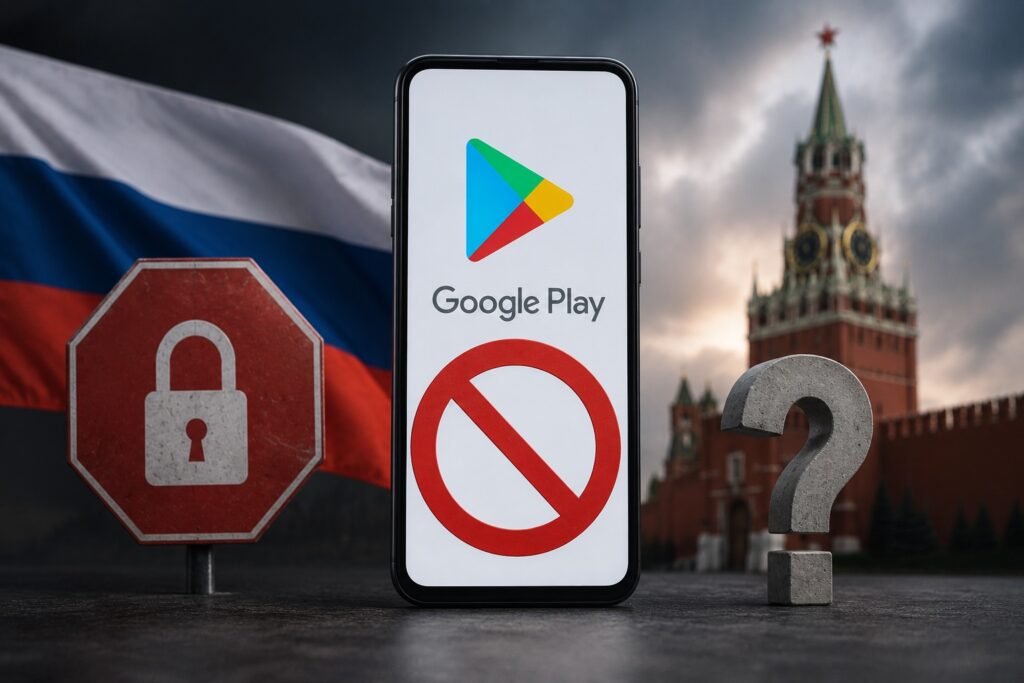
Breaking down the possibility and consequences of Google Play being blocked
Alternatives to Google Play already exist:
- RuStore: the main Russian alternative with a growing catalog;
- HUAWEI AppGallery: for HUAWEI and HONOR smartphones;
- Samsung Galaxy Store: for Samsung devices;
- Xiaomi GetApps: for Xiaomi, REDMI, and POCO smartphones;
- official APKs from developer websites: for all Android devices.
MAX on Android, VK, and other Russian services are already available through these channels, and VK confirmed that apps receive updates and retain push notifications when installed from alternative sources. Apps in RuStore receive automatic updates — just like they used to from Google Play.