July 15 marked the deadline that the FAS (Federal Antimonopoly Service) gave Apple to comply with Russian laws. And, as many expected, Apple ignored the requirements to preinstall RuStore, VK, and MAKS on iPhones. Now comments are once again filled with messages like “that’s it, iPhones will be shut down.” Calm down. Nothing of the sort will happen, and I’ll explain why an Apple ban in Russia looks like an extremely unlikely scenario.
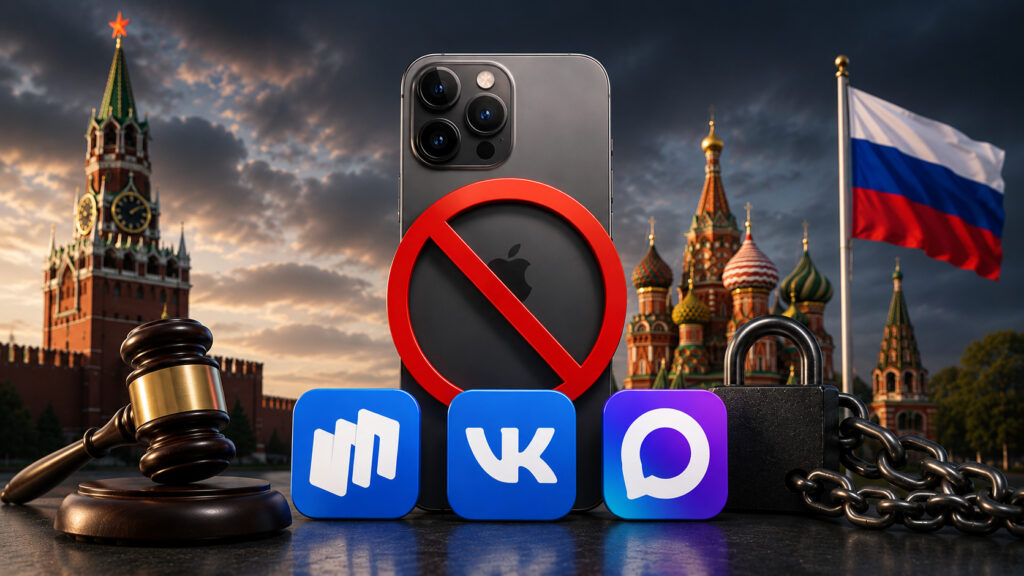
Could Apple devices really end up being banned?
FAS Requirements for Apple Regarding RuStore and Russian Software
There are two complaints against the company, and they differ in nature. The first concerns restrictions on Russian search engines: the antimonopoly authority believes Apple places third-party search services in unequal conditions within its ecosystem. The second, far more understandable to ordinary people, is the preinstallation of domestic software on iOS. By law, the manufacturer is required to give users the ability to install Russian apps right during device activation.
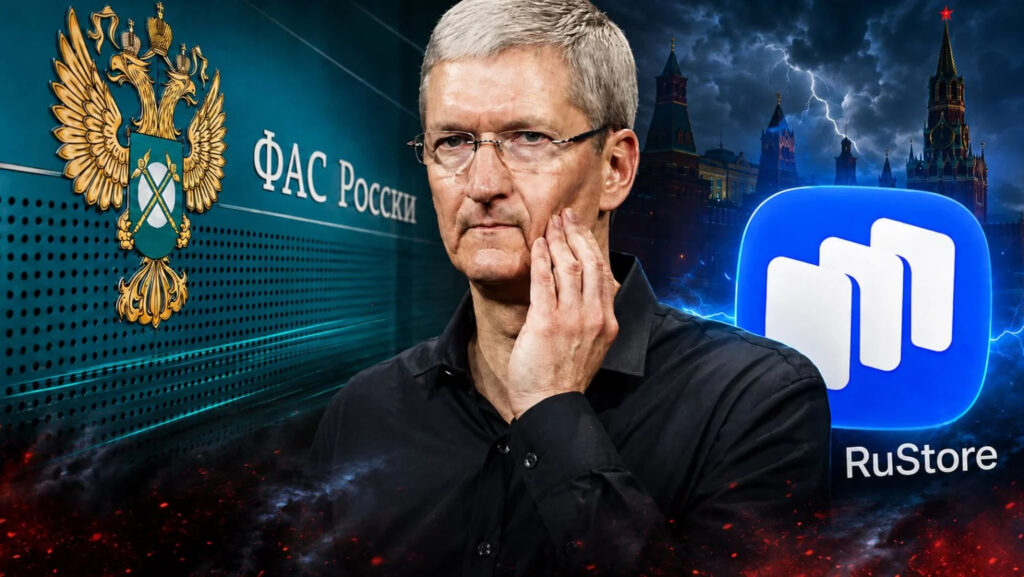
The main element of the requirements was specifically RuStore
Apple did neither. Formally, this opens the door for the agency to launch an antimonopoly case, followed by a turnover-based fine. The figure is significant: Apple faces a fine of up to 4 billion rubles for refusing RuStore. That sounds impressive, but let’s be honest: for a company with quarterly revenue of nearly a hundred billion dollars, it’s less than a rounding error in the financial statements.
And here’s the important point that many miss. A fine is not a switch. It’s a pressure tool, not an iPhone shutdown button. Between “a case was opened” and “iPhones turned into bricks” lies a chasm that no one in the Russian legal field has yet crossed.
What Apple Faces for Refusing to Install RuStore on iPhone
Most experts currently being surveyed on this matter agree on one thing: there will be no automatic blocking. The expiration of the deadline itself doesn’t shut anything down. The next steps in the scenario involve an investigation, then a decision, then a turnover-based fine. Moreover, the very fact of opening a case means more than the amount: it creates a legal basis for further dialogue between the state and a global platform. Simply put, it’s a way to get Apple to the negotiating table, not to punish anyone here and now.
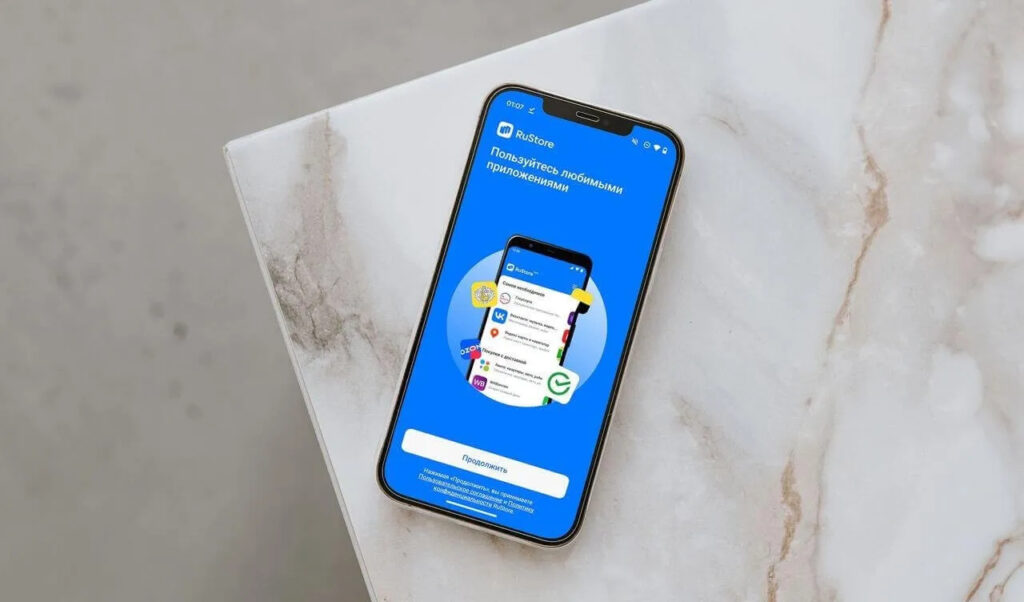
Given the absence of Russian apps in the App Store, RuStore would be very useful. Image: Tinkoff Journal
At the same time, there’s little faith that Apple will go ahead and comply with everything. The logic is simple: the Russian market represents a small share of the company’s global sales, and decisions in Cupertino are made with an eye on sanctions and regulatory risks worldwide. Nobody is going to redesign iOS architecture for a few percentage points of revenue — it’s expensive and sets a precedent for a dozen other countries.
The key detail that every iPhone owner should remember: the claims are directed at the company itself, not at device buyers. Your iPhone has nothing to do with it. The regulator can tighten its stance all it wants, but the object of its attention is Apple as a legal entity, not the serial number in your pocket. The most one could theoretically worry about is targeted restrictions on individual services, and even that’s not happening tomorrow.
There’s also the idea that Apple should be negotiated with, not fought: a complete shutdown of the App Store would affect tens of millions of Russians, and no FAS wants that. Plus, the real ability to influence Apple is limited. The company is physically located outside Russian jurisdiction, and decisions about removing or restoring services are made in California, where a Russian order is viewed as a paper with no enforcement power.
Will iPhones Stop Working in Russia After the FAS Decision?
Here it’s worth separating scare stories from reality. Even imagining the harshest scenario, already purchased devices will continue to work. Technically, Apple could disable all iPhones located in Russia, but first, this would create a very bad precedent, and second, it would affect not only devices of Russian citizens but also foreigners who happen to be in Russia.
What could theoretically change? Access to individual features and services. We’ve already been through this: Apple Pay stopped working, some Russian apps were removed from the App Store, paying for subscriptions turned into a quest. But the phone itself didn’t die, and nobody was left without connectivity. The experience of recent years has shown that even in the most nerve-wracking scenarios, a device remains a device.
Moreover, Apple itself has counterbalancing interests. The company has already opened alternative app stores in the European Union, Brazil, and Japan — and, notably, in Europe and Japan alternatives to the App Store exist, while in Russia they don’t. The difference isn’t in technology but in politics and money. There, regulators with real leverage succeeded; here, such leverage hasn’t been found yet.
Should You Sell Your iPhone Because of FAS Requirements?
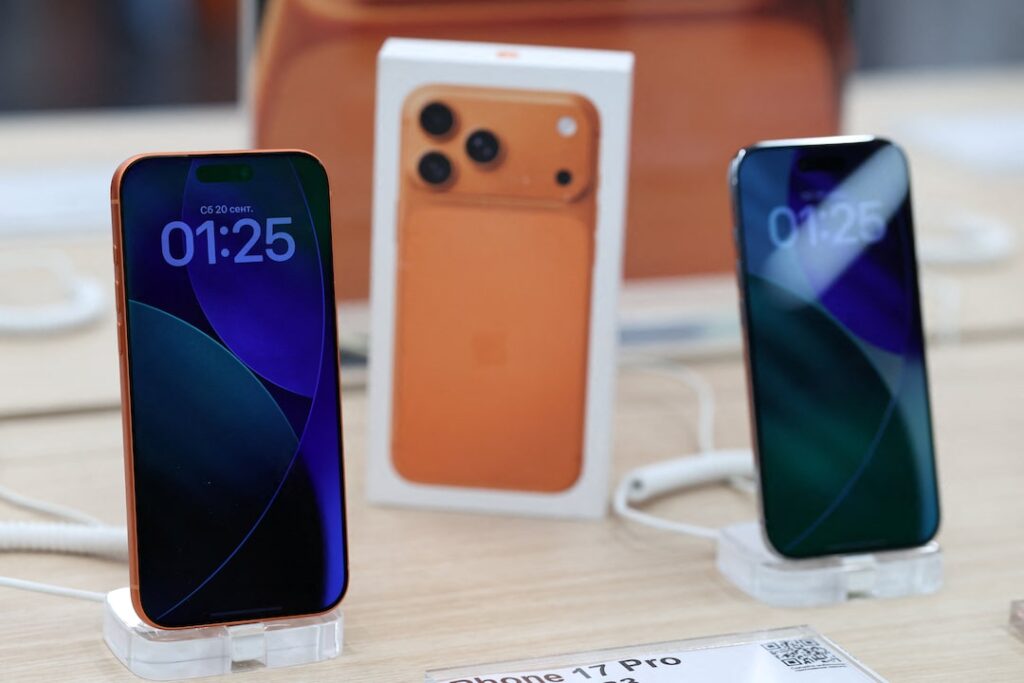
iPhones in Russia continue to work as they always have
Panicking and selling your iPhone makes zero sense: the device works, the App Store opens, updates arrive. The FAS story is a dispute between two legal entities, in which you are a spectator.
The only thing that makes sense to do is take minor precautions. Keep a working method of topping up your Apple ID handy, don’t delete necessary Russian apps if you already have them installed, and don’t rush to change your account region without need. This is basic digital hygiene, relevant regardless of news about antimonopoly cases.
My personal conclusion is this. A complete ban of Apple in Russia is a scenario where everyone loses: the state gets millions of unhappy users, and Apple permanently loses a market, albeit a small one. The most likely outcome is a fine, lengthy negotiations, and very slow movement toward some kind of compromise. Perhaps in a year or two we’ll see a screen on iPhones offering to install RuStore. Or perhaps we won’t see anything. But your phone will definitely not be shut off on July 15, or August 15, for that matter.