Buying an expensive smartphone on Wildberries has always been accompanied by the same fear: what if the box contains a different device than the one you ordered. Now Wildberries is launching IMEI verification right at pickup points to mitigate some of these risks. Let’s break down how this will work and whether it’s worth counting on.
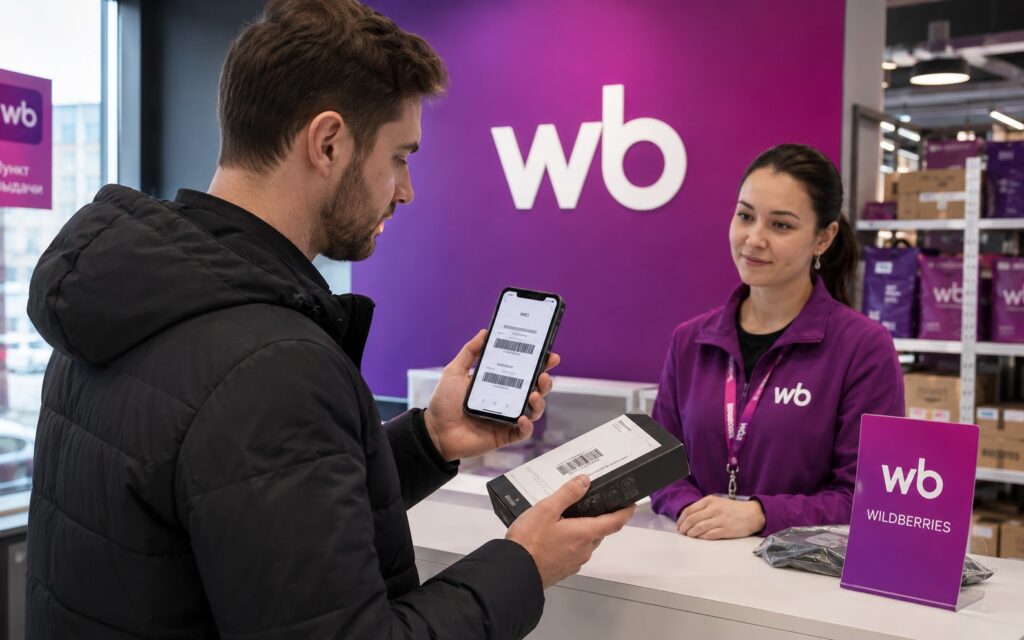
WB launches IMEI verification when receiving a smartphone
IMEI Verification at Wildberries — What Is It
The change affects the product pickup procedure. Starting July 1, 2026, buyers will be able to ask a pickup point employee to verify the device’s identification number. At any pickup point in Russia, upon receiving the device, you will be able to check the IMEI on the packaging or additionally verify it on the powered-on device.
Here’s an important detail: the check is performed without activating the smartphone. This means the phone will be turned on, the service number will be checked, but no one will sign into an account or run the initial setup — the device remains new.
Which Smartphones Will Be Checked by IMEI
The main limitation to keep in mind: the service doesn’t cover the entire product range. It applies to Apple and Samsung devices priced at 40,000 rubles and above. Budget models and smartphones from other brands are not included in this scenario for now.
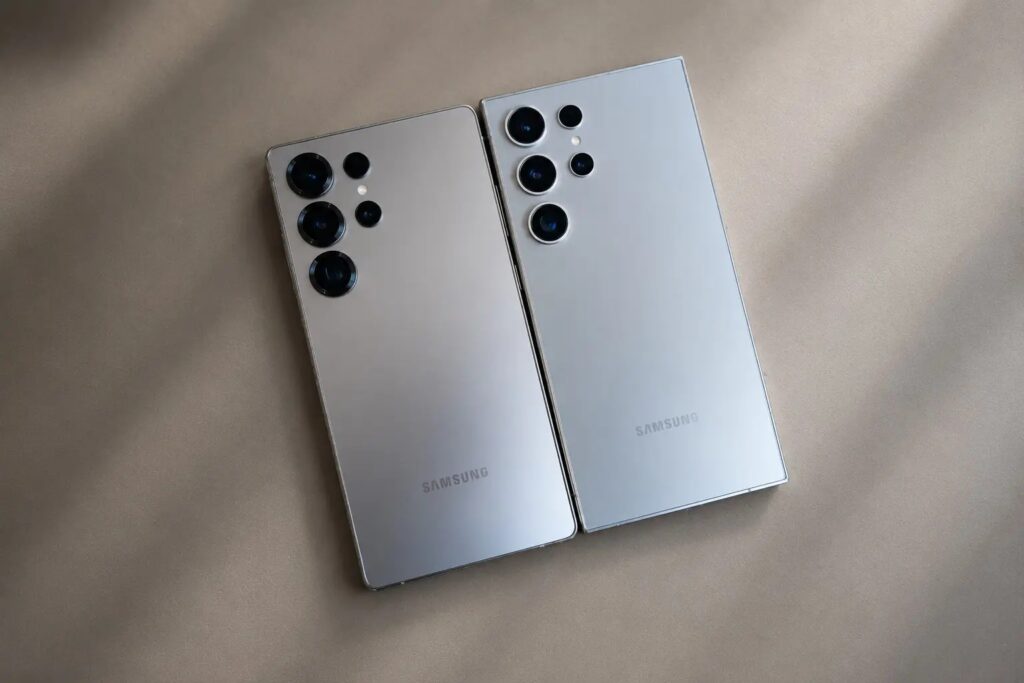
Samsung and Apple flagships will be checked
This makes sense from the marketplace’s perspective: the verification is designed to protect purchases of expensive electronics, where the cost of a mistake is highest. If you’re buying a flagship Galaxy and want to be sure that’s exactly what’s inside, this option is precisely for your case. However, owners of affordable Android smartphones shouldn’t count on this procedure just yet.
Why IMEI Verification Is Needed at Wildberries
The company itself presents the innovation as a way to make purchasing expensive electronics more transparent. Before the launch, the marketplace had already tested the option and, according to company data, checked 3,700 smartphones. Wildberries expects the process to become “more transparent and secure.”
The introduction of this verification coincides with government measures. In June 2026, a law was signed on the second package of anti-fraud measures, which provides for the creation of an IMEI database. According to Forbes, this database is planned to be used for blocking stolen, lost, and illegally imported phones.
WB’s initiative is linked to the new IMEI database law in Russia
For users, this means a simple thing: the device number is gradually becoming a significant parameter, rather than a line in documents that nobody reads.
What to Do If the Smartphone’s IMEI Doesn’t Match at Pickup
The most useful point for buyers is the right to refuse. If the identifiers don’t match, the buyer can refuse the product right at the pickup point. Moreover, this works regardless of whether the packaging has been opened or not — usually, opening the box is exactly what causes disputes.
The logical course of action when receiving an expensive smartphone looks like this:
- Before paying, ask the employee to verify the IMEI on the packaging.
- If desired, ask them to check the number on the powered-on device without activation.
- Compare whether the identifiers on the box and on the screen match.
- If the numbers don’t match, refuse the product on the spot.
A separate note: IMEI verification will become mandatory when returning such smartphones. This protects not only the buyer but also the seller — from situations where someone tries to return a different device.