A tip circulating on TikTok suggests placing an overheated smartphone in the refrigerator to cool it down. While it sounds logical, this is actually one of the fastest ways to damage your device. The core problem is condensation: when a chilled phone is brought back into warm air, moisture forms on internal components — circuit boards, connectors, and under the display — reaching areas that normal use would never expose to water. The secondary risk is thermal shock, which is particularly harmful to lithium batteries. Repair shops in the UK reportedly saw a noticeable increase in damaged devices specifically because people followed this advice during a heatwave.
What you need to know
- Condensation from rapid cooling can cause corrosion and short circuits on internal components, and fogging under the screen may not resolve on its own.
- Lithium batteries are especially sensitive to sudden temperature swings, and a freezer causes the same damage even faster.
- Warranty claims are unlikely to help — technicians can easily spot moisture-damage indicators inside the phone.
- The safe approach recommended by manufacturers is gradual, natural cooling in shade — not forced cold from a fridge, fan with ice, or cold water.
What actually happens inside a refrigerator
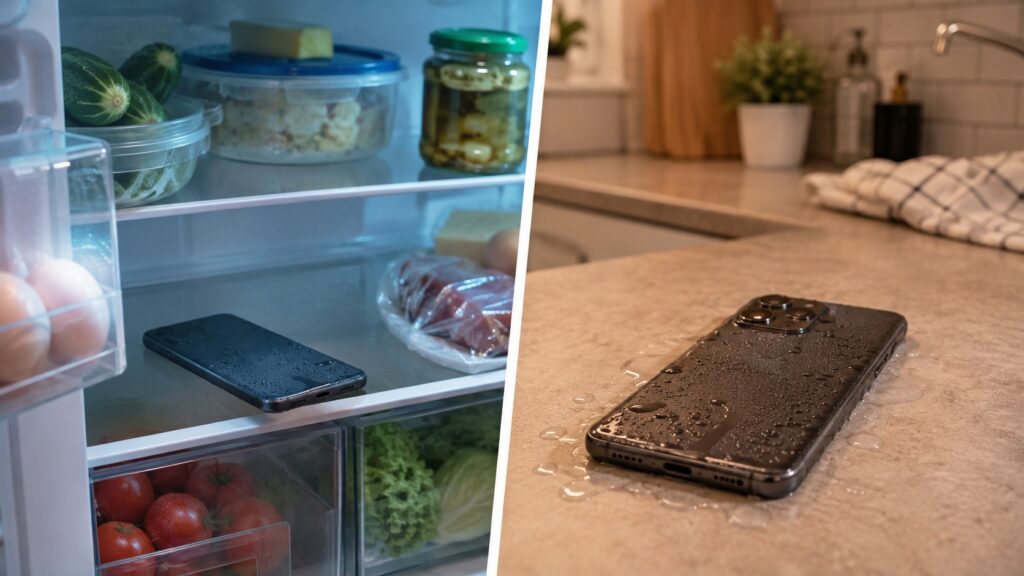
What happens to your smartphone after the fridge
Here are the specific consequences of putting a hot smartphone in the fridge:
- Internal condensation: Moisture settles on internal parts, promoting corrosion and potential short circuits.
- Battery stress: The sudden cold hits the lithium battery hard — a component already sensitive to temperature extremes.
- Display fogging: Condensation can form under the screen, and it does not always clear on its own.
- Warranty won’t help: Moisture indicators inside the phone make it easy for a technician to identify water exposure, rendering warranty claims ineffective.
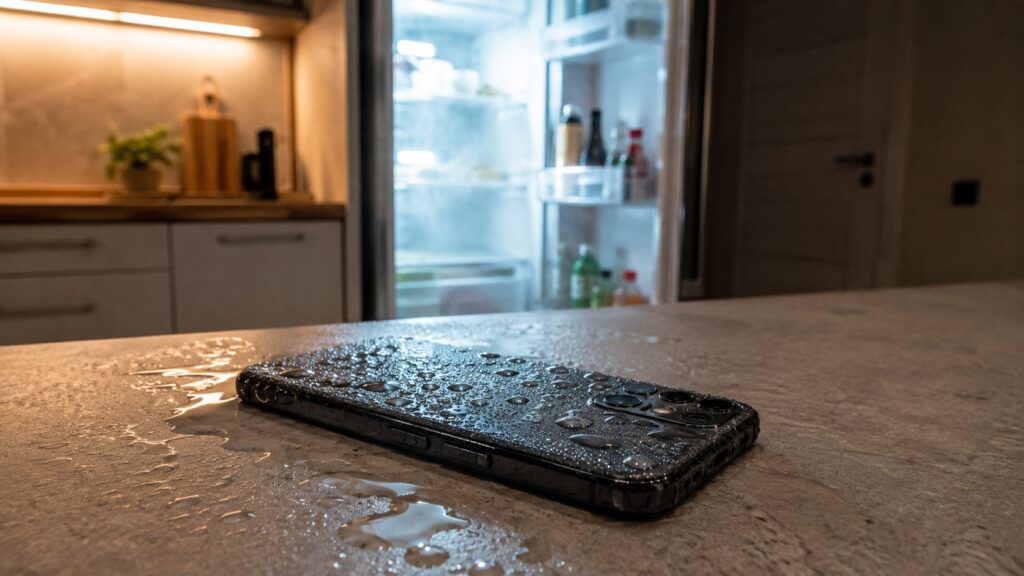
The consequences can be genuinely destructive
A freezer is even worse — the same damage occurs, only faster and more severely. Neither a refrigerator nor a freezer will help your phone; both can cause harm within minutes.

How to safely cool down an overheated smartphone
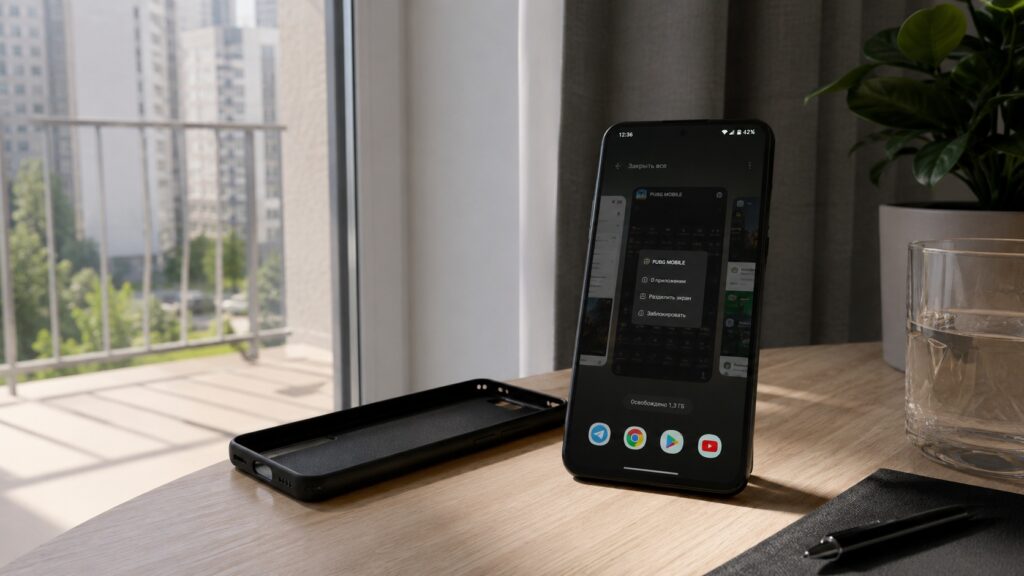
Now for the actually useful advice
The key principle is that a phone should cool down gradually and naturally. Manufacturers recommend simply moving the device to shade and letting it cool on its own. Here is what to do if your smartphone overheats:
- Move it out of direct sunlight into shade or a cooler indoor space.
- Remove the case — it traps heat and prevents the body from dissipating it.
- Close demanding apps, games, and navigation, and disconnect the charger.
- If it is severely overheated, power it off for a few minutes.
- Let it cool in open air — do not place it in front of a fan with ice or hold it under cold water.
Other summer heat traps to avoid
The refrigerator is not the only danger. Leaving a phone inside a parked car is equally risky. Even in the glove compartment, temperatures on a hot day can climb high enough to damage the device, and in extreme cases the battery could pose a fire risk.
The simple summer rule: do not leave your smartphone on the dashboard, under the windshield, or in direct sunlight. If you are leaving the car for an extended period, take the phone with you. At home, keep the device out of direct sunlight as well.