Almost everyone who installs beta versions of iOS and macOS before release knows this situation: you find an annoying bug, maybe even spend time writing a detailed report, and a couple of weeks later a new build comes out — but the bug is still there. iOS 27 beta 3 confirms this with its own example. And this can continue all the way until the final version is released. The conclusion that Apple engineers don’t care about your feedback seems obvious, but it’s wrong. The reason lies in how the development process works in Cupertino.
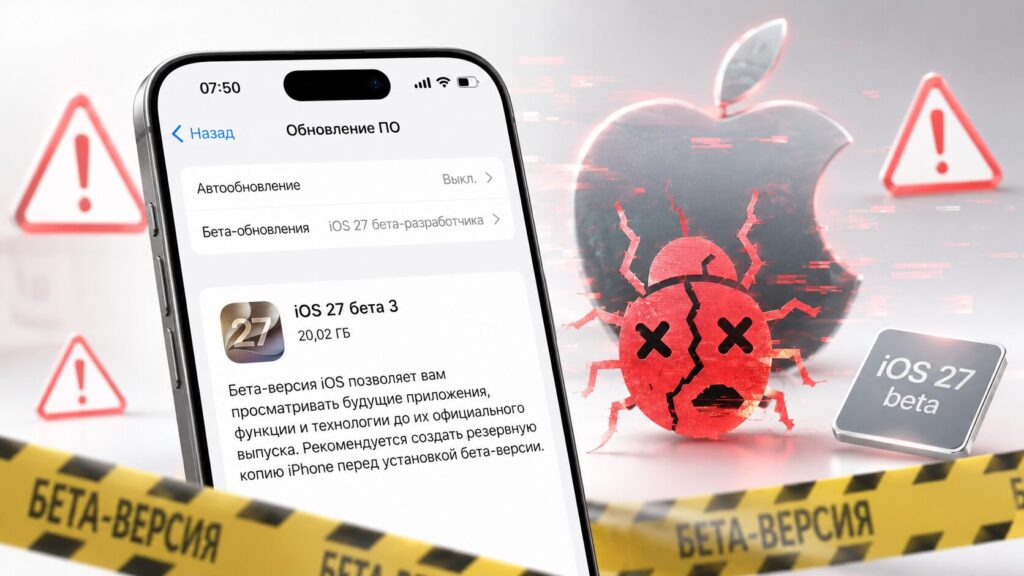
Apple doesn’t fix bugs for a long time simply because it develops new beta versions in parallel
How Apple Creates Beta Versions of iOS and macOS
The main thing to understand is that Apple works on several builds simultaneously. By the time you receive, say, the third beta, the fourth is already practically ready, and often completely “frozen” — meaning no more changes are being made to it. This approach allows them to speed up the development process and release updates every 2 weeks. You don’t really think that Cupertino releases one build, collects feedback, and then starts building a new one based on it, do you? However, because of this, many people choose not to update to iOS 27 just yet.
Because of this, a fix usually arrives with a delay of 2-3 iterations, not in the very next build — unless it’s an urgent critical issue. Hence a simple practical rule: don’t expect a reaction from beta to beta, but track progress across versions. That’s the best way to evaluate whether Apple is fixing your bug or not.
When Will the Public Beta of iOS 27 Be Released
The big beta testing cycle kicks off every year in June, right after the WWDC developer conference. Developer builds come out approximately every two weeks, and starting in mid-July, Apple opens public betas — essentially the same developer versions, but slightly more polished. So the iOS 27 public beta can be expected in about a week. And it’s in these publicly available builds that the main new features and fixes will start appearing.
Then we can expect at least a month and a half of public beta testing, and after that, the release isn’t far off. The finale comes in late August or early September, when so-called Release Candidates are issued — candidates for the final version (they used to be called Golden Master). At this stage, the system is nearly frozen: only the last critical issues are fixed, sometimes with several such builds released within a few days.
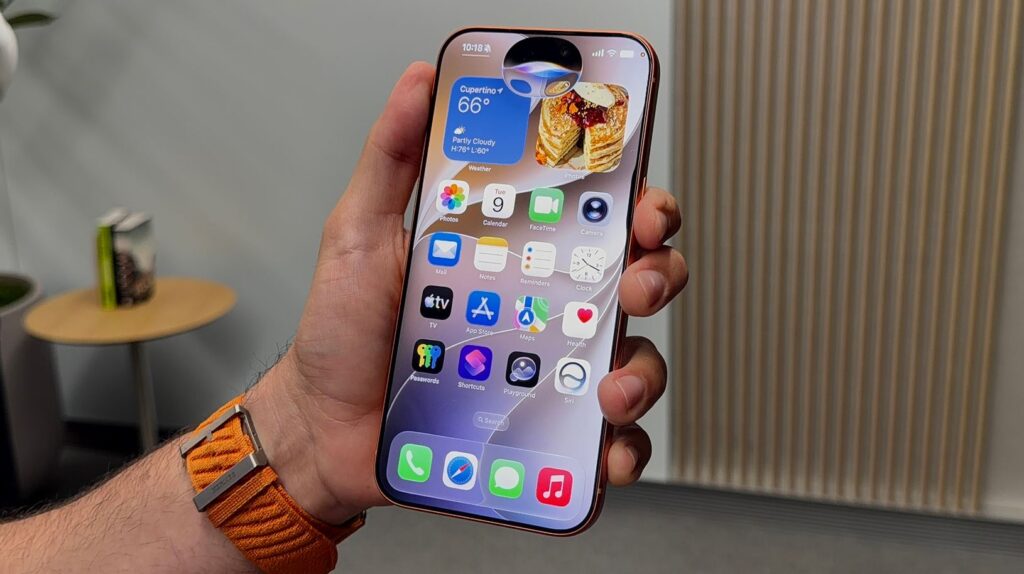
There aren’t many new features in iOS 27 yet
An important point: the final version that everyone installs after the September presentation is locked in well before that. This means all the bugs you encounter in the release build were consciously accepted by Apple. Developers conduct smoke testing, and if nothing is “on fire” or “exploding,” they push the update to release. And updates with fixes will come later.
In short, the machine never stops for a second: while regular users are just installing the latest update, developers are already hard at work on the next one. It sounds strange, but within the company, iOS 27.4 is already being developed right now. Perhaps it’s in this version that they’ll restore performance to older iPhones that started working really poorly on iOS 27.
Why Everyone Is Installing Beta Versions of iOS Now
The feeling that bugs are being fixed slowly has also intensified because the circle of people installing betas has changed. Previously, access to early versions required a developer account costing $99 per year.
Now the developer beta can be enabled with a single tap right in the iPhone settings. The downside is that intentionally unstable versions reach a much wider and less prepared audience that isn’t accustomed to how development cycles work. Hence the growing frustration: people expect beta stability comparable to a finished release, but it’s not supposed to be that way.
How to Properly Handle Beta Versions of iOS on Your iPhone
Understanding all of this behind-the-scenes process helps you stay calm about fix timelines, but sending bug reports is still worth it — the Feedback app remains the best way to help Apple polish the system. Even if your bug isn’t fixed right away, the report will still be processed.
The main practical rule is simple:
- Don’t install the first beta on your primary device that you rely on for calls, work, and finances
- If you really want to try it — use a spare iPhone, iPad, or Mac
- Don’t expect fixes in the next build — wait one or two versions
- Wait for the final release if stability matters more than curiosity
Some particularly resilient bugs still slip through the filters and migrate from version to version, and sometimes between iOS and macOS. But that’s a separate story.
The bottom line is simple: the delay in fixes is not indifference, but a feature of parallel development. If you’re a regular user, the most sensible choice is not to chase after the first betas and wait for the final version in the fall. And if you do test early builds, install them only on a secondary device and don’t forget to send reports — that’s the only way to truly influence the quality of the system.