The same cup of coffee can taste sour to one person, bitter to another, and smooth and almost sweet to a third. This is not a matter of imagination: the flavor you perceive depends on the bean, the roast level, the brewing method, and your own sensitivity and habits. All coffee contains both acidity and bitterness at once; what differs between beans is the ratio. And because volatile aromas fade as a cup cools, acidity and bitterness become more noticeable in the last sips than in the first. The good news is that most of these variables can be adjusted, as long as you change one thing at a time.
What you need to know
- Every coffee contains both acidity and bitterness; varieties differ in the balance between them, with fruity, berry, or nutty aromatic notes layered on top.
- Light roasts preserve bright fruit and berry character and taste more acidic; medium roasts balance the two; dark roasts add body and roasted notes while acidity recedes.
- As coffee cools, volatile aromatic compounds evaporate, so acidity and bitterness come forward even though nothing was added to or removed from the cup.
- Too bitter usually means over-concentration or over-extraction (fix: add a little warm water); sour and watery means under-extraction (fix: a different grind, longer contact time, or slightly higher temperature).
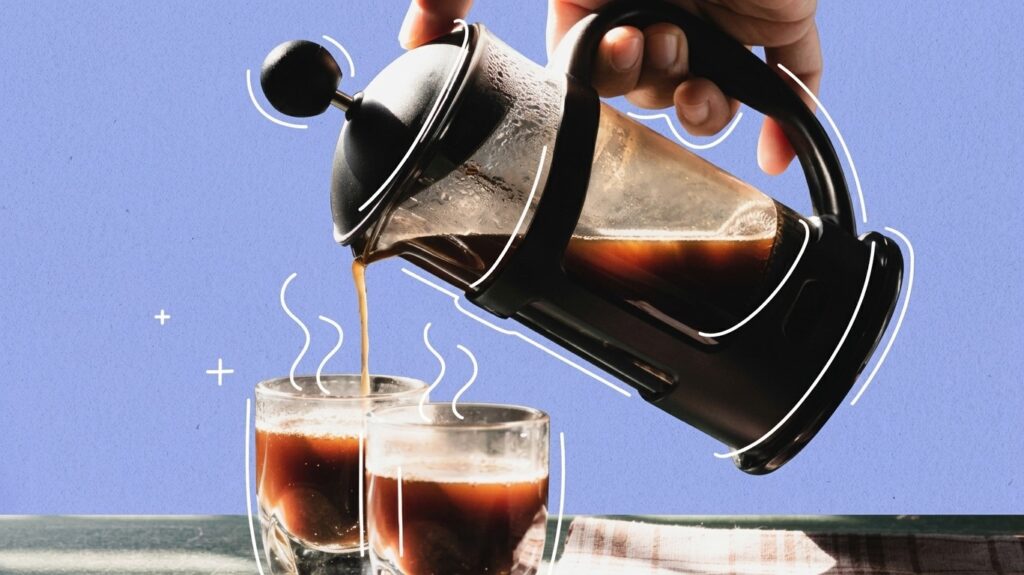
Why is coffee sour or bitter, and why does it taste different to everyone?
Acidity and bitterness are in every cup
Any coffee contains both acidity and bitterness at the same time. These are the two basic components of its taste, and varieties differ not in whether they have them but in their proportion. On top of this base sit the aromatic notes: fruity, berry-like, nutty. Those notes are what make one coffee resemble stewed fruit and another resemble toasted bread.
The first divergence between people begins here. Some react more strongly to aroma and judge the drink by smell before the first sip; others notice the taste on the tongue first. That is why two people at one table describe the same cup in different words, and both are right.
The second reason is habit. Someone who has drunk strong black coffee for years will quickly notice the tartness in lighter varieties, because it is unfamiliar to their palate. Someone who usually prefers mild drinks will pick up the bitter shades in a dense espresso more strongly. We compare a new cup not with an abstract standard, but with our usual coffee.
Light roasts add tartness, dark roasts add body
The main lever that determines a coffee’s character is roast level. With a light roast, the bean retains bright fruit and berry characteristics, so acidity is more noticeable. This kind of coffee suits people who enjoy light, unusual flavors and are prepared for a drink that resembles berry tea more than a classic “strong black” cup.
An important point: tartness does not mean the coffee has gone bad. It is a natural property of quality beans, not a defect. If you dislike that taste, it is a matter of preference rather than quality.
Those who prefer a rich, classic flavor should look at medium and dark roasts. A medium roast produces a balanced taste without tipping toward sour or bitter. A dark roast increases body and adds roasted notes, while acidity fades into the background. There is no universal option that pleases everyone: the same coffee will seem too sour to one person and perfectly even to another.
Roasting is not the only thing that happens to a bean on its way to the cup, but it is the main lever deciding whether the result leans sour or bitter.
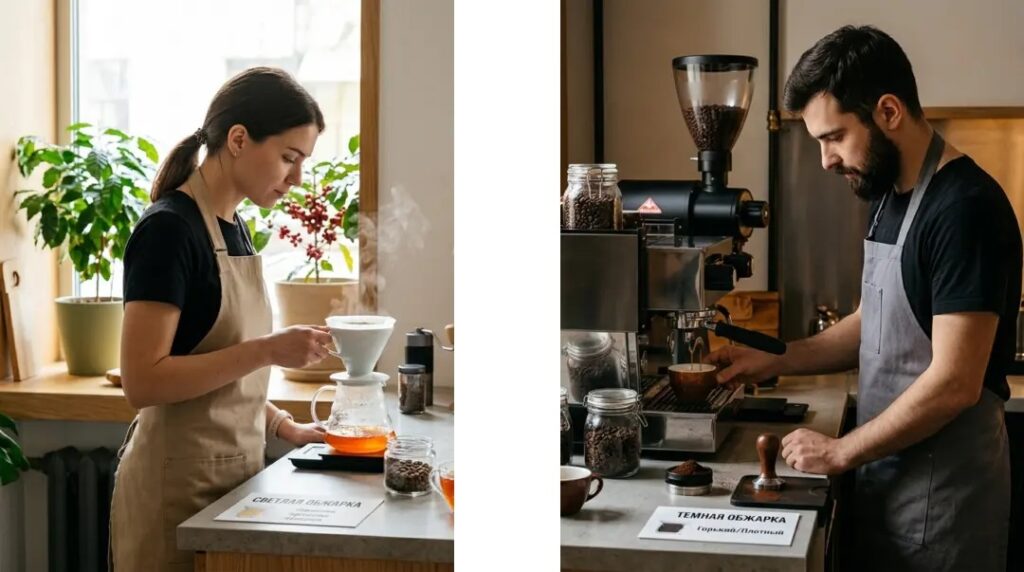
The lighter the roast, the more noticeable the fruity tartness; a dark roast makes the taste denser and more bitter
Cooled coffee tastes more sour and more bitter
Even if the bean, roast, and recipe stay the same, the taste of a single cup changes over the few minutes it takes to drink it. Freshly brewed coffee is above all aromatic: volatile aromatic compounds evaporate actively, and that aroma shapes the first impression. At this moment, acidity and bitterness are effectively hidden behind the smell.
As the coffee cools, some of the aromatic components disperse, and acidity and bitterness move to the foreground. The result is that the same drink feels different at the start and the end of the cup, even though nothing was added or removed.
This leads to a practical conclusion. If a coffee seemed harsh or sour, consider how long it had been sitting. The cause may lie not with the bean or the café but with the fact that you finished it after it had cooled. Conversely, a new variety is better judged not by the first sip but by several sips spaced a couple of minutes apart.
Dilute bitter coffee, brew sour coffee longer
If a drink comes out too bitter, there are usually two causes: excessive concentration or brewing for too long. The water has pulled more out of the coffee than it should. The simplest way to rescue such a cup is to add a little warm water: the concentration drops and the bitterness softens. Another option some people use is adding a pinch of salt to the cup.
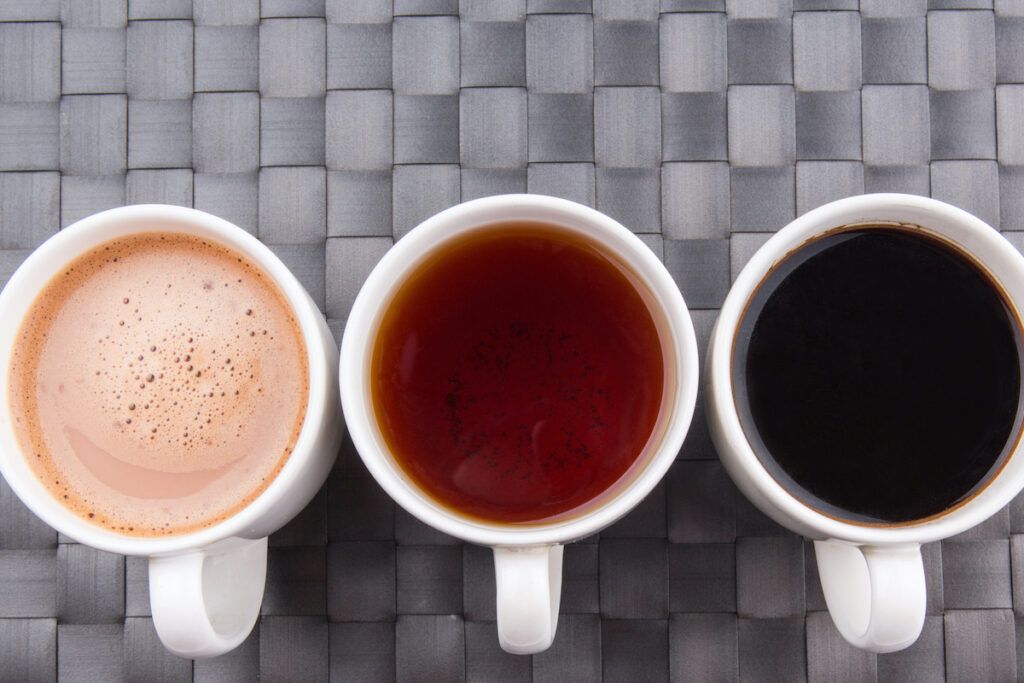
If coffee turns out too sour or too bitter, the taste can be corrected with brewing time, grind size, and the amount of water.
The opposite situation, when coffee is sour and watery, means the water did not extract enough from the bean. Here the brewing parameters should be changed: try a different grind (that is, how finely the beans are ground), increase the time the coffee is in contact with water, or raise the temperature slightly.
The main rule of adjustment is simple: change one parameter at a time. If you alter grind, temperature, and water volume simultaneously, the result may improve, but you will never know which change worked, and you will not be able to reproduce a good cup next time.
How to find your own coffee
The search for “your” coffee comes down to three steps:
- First, decide on a roast: light for those who like tartness and fruity notes, medium for balance, dark for body and roasted flavors.
- Then pay attention to temperature and taste the drink at different moments, not only right after brewing.
- Finally, if the taste still does not suit you, tweak the recipe one parameter at a time.
Taste is rarely objective, and coffee is no exception. What one person experiences as an unpleasant sourness, another will call a bright fruity flavor, and pronounced bitterness may strike someone as the mark of a strong, good coffee. So there is only one way to find your own version: keep tasting and gradually adjust the drink to yourself.