While Apple is handing out the first public beta of iOS 27 to everyone interested, it has come to light that the company quietly acquired a rather unusual startup. We’re talking about SigScalr and its SigLens tool, which helps developers monitor the operation of a large number of interconnected applications. For the average iPhone or Mac owner, this isn’t news about a new feature, but about how Apple builds its services behind the scenes. Let’s break down what happened and who this actually matters to.
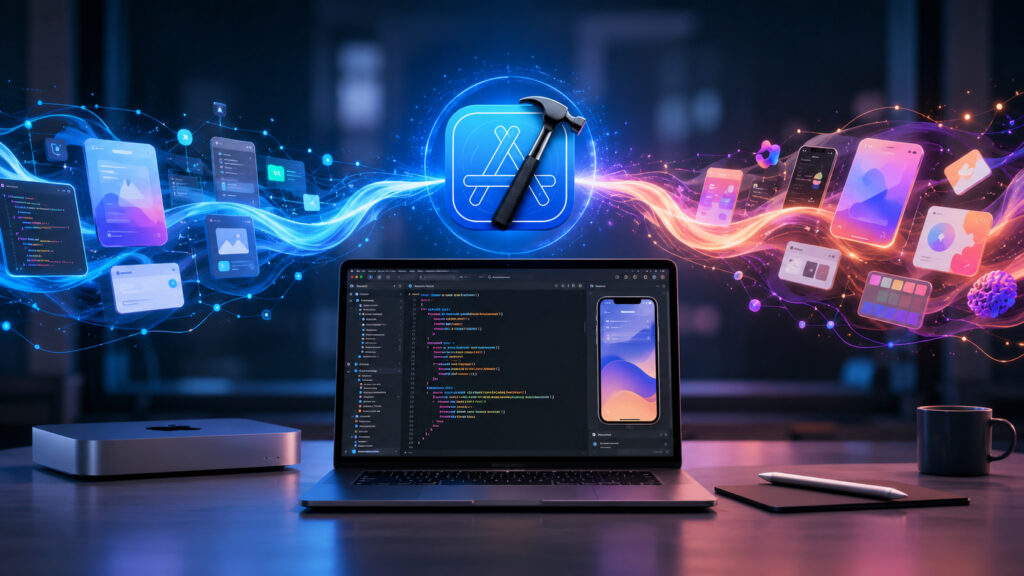
The new startup will clearly soon become part of the Xcode development program
What Is SigLens and Why Apple Needed This Service
According to the European Union, Apple acquired part of the assets of SigScalr, Inc., and also gained the right to hire some of the company’s employees. The deal was only revealed now, although it was reported to the EU back on March 12, 2026.
SigLens is an application monitoring tool. Simply put, the program watches how other applications work and records everything that happens inside them. Instead of juggling several different services, a developer gets one universal tool that tracks processes across many applications or across numerous individual tasks within a single program.
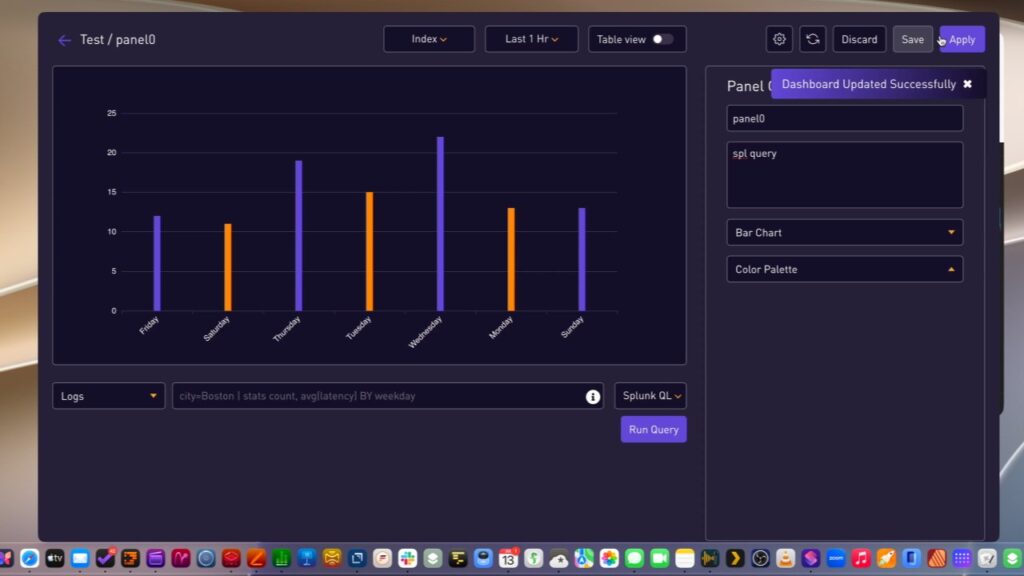
The application allows you to monitor the operation of other programs and find bugs in them from one place
Why Apple needs this. Modern services are often assembled from dozens of small programs, each solving one narrow task. To understand how this entire structure works as a whole, tools like this are needed. They provide a picture of the entire process, not disjointed pieces.
Where Apple Could Integrate SigLens Tools
SigScalr is a single-product company, so there are no questions about the acquisition: it’s clear what exactly Apple bought. At the same time, neither side announced what would happen next, and the SigScalr website has already been shut down. The company’s code still remains on GitHub, but it hasn’t been updated since July 2025. Judging by this code and cached copies of the website, SigLens was created for detailed application analysis and deep debugging.
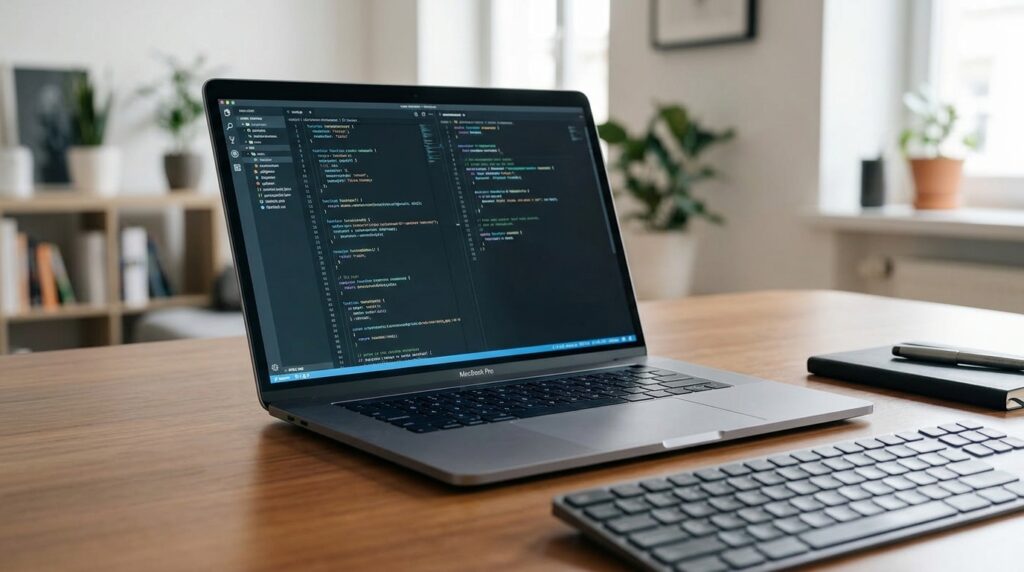
SigLens code remains open on GitHub but hasn’t been updated for a long time
There’s one curious point. Such a tool is extremely helpful when code is written through vibe coding. That is, a program was hastily assembled using AI, without a live developer who would have written and documented it manually. SigLens helps make sense of code that essentially no one properly described.
New Application Debugging Tools in Xcode
If SigLens is integrated into the Xcode development environment (Apple’s suite of programs used to create apps for iPhone, iPad, and Mac), it will continue a whole chain of similar acquisitions. Back in June 2026, Apple already picked up a tool for the Swift language called Play.
Apple is clearly preparing for more and more non-professional developers creating apps for iPhone, iPad, and Mac
And here’s an important nuance about the deal itself. Apple didn’t disclose it voluntarily, but due to the requirements of the EU’s Digital Markets Act. Under these rules, large companies are required to report acquisitions that may be significant for European users. The European Union itself publishes a brief description no earlier than four months after notification, which is why the March deal only surfaced now.
What the SigLens Acquisition Will Change for iPhone and Mac Owners
Honestly, for everyday use of iPhone, iPad, or Mac, this news changes nothing right now. You won’t get any new feature, button, or setting. This is an internal story about developer tools, not about user experience.
Keeping an eye on this deal makes sense mainly for those who develop apps for Apple devices. If SigLens actually makes it into Xcode, they’ll get a built-in way to monitor how their programs work. Everyone else can safely move along, since the acquisition doesn’t directly affect device prices, iOS updates, or app performance.
Indirect benefits are possible perhaps only in the long run. The easier it is for Apple to build stable services, the fewer outages users should theoretically see. Although even here things aren’t so smooth: it’s enough to recall the instance when an update started draining the battery and overheating iPhones. So perfect stability from new tools is still too early to expect.