As part of the second package of anti-fraud measures, Russia is creating a unified IMEI database — unique identification numbers for mobile devices. We’ve already discussed whether you need to register your smartphone yourself, and now let’s look at the consequences. According to a government decree cited by Forbes, the database will be used, among other things, to block devices. Which ones — we explain in this article.
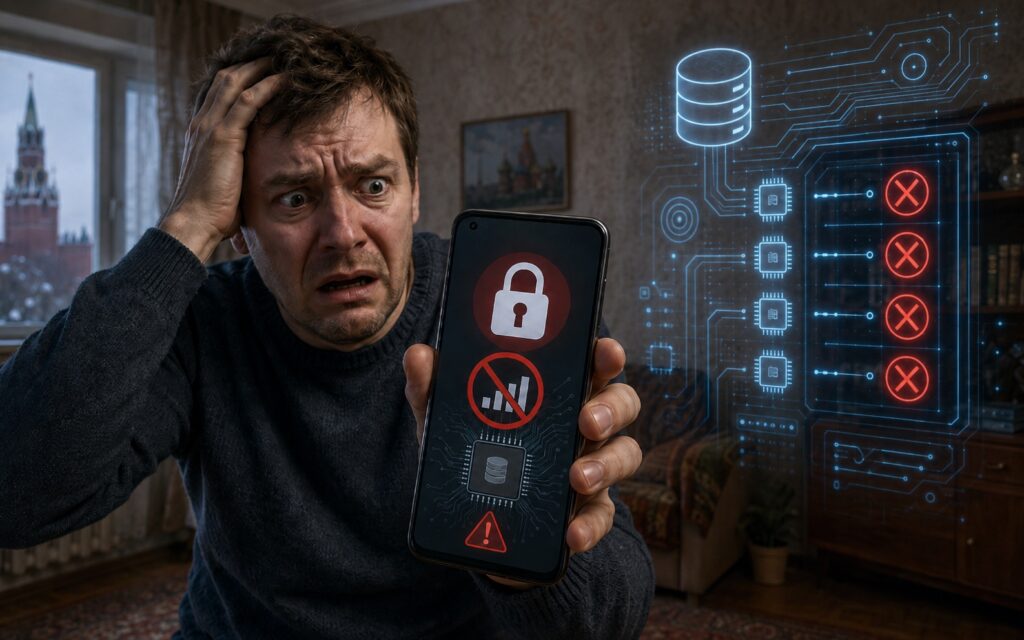
IMEI-based blocking will begin very soon
What Is the IMEI Database in Russia
Data will be submitted to the database by mobile carriers, which register devices on their networks, and by the Federal Customs Service when equipment is imported. This was explained by the Ministry of Digital Development. Separate provisions address problematic devices: phones that “do not meet established security requirements”, as well as those subject to court orders, will be added to the database by agencies “designated by the government.”
In addition to combating theft, the database’s objectives include countering crimes committed via the internet and phone, including those of a terrorist nature, and “increasing transparency in the circulation of user equipment.” In simpler terms, the government wants to see which devices are actually operating on networks and whether they entered the country legally.
IMEI Blocking — How It Works
The decree specifies concrete timelines. Carriers are required to submit data about a new phone within one hour from the moment the client’s SIM card is activated and the device connects to the network.
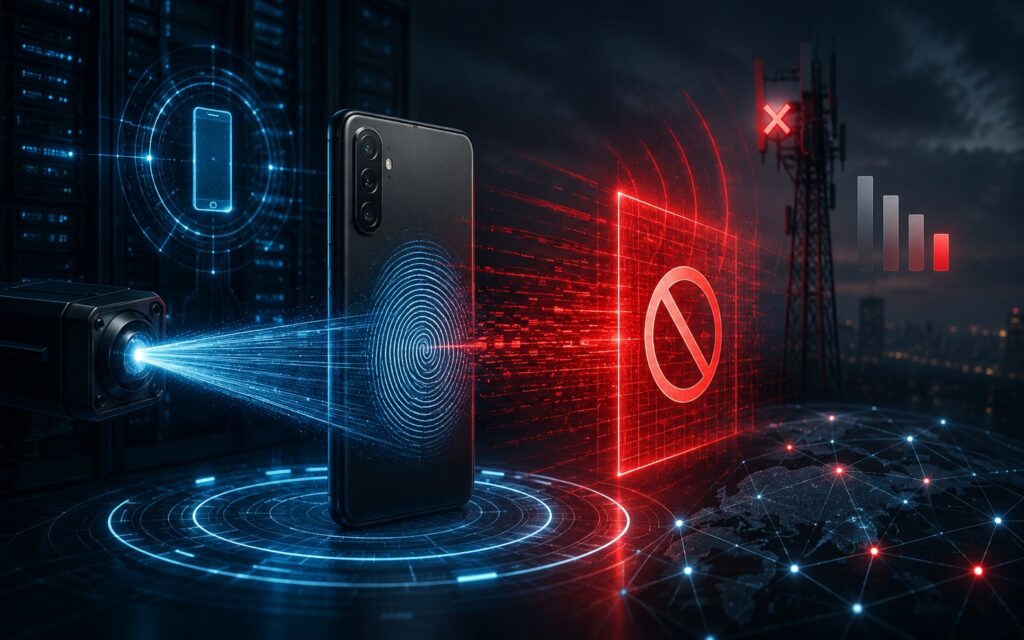
Carriers will be responsible for adding smartphones to the database
For theft and loss cases, the rules are as follows:
- If a subscriber reports a lost or stolen phone to the carrier, the carrier must block the SIM card within one business day;
- If a number is listed in the database as prohibited, the carrier must block it within one hour.
To summarize, the mechanism is aimed at both a quick response based on the owner’s report and forced blocking of devices that end up on the “prohibited” list.
Who Will Be Blocked by IMEI
The new measure primarily affects buyers of gray-market and unofficially imported devices. If a device entered the country bypassing customs, with a centralized IMEI database it faces a higher risk of falling outside legal circulation. This is worth keeping in mind for those who are used to ordering smartphones from abroad or buying them secondhand without documentation.
For those who purchased their phone officially and use it normally, there is no direct everyday impact for now. But if your device is stolen or you lose it, you now have a clearer course of action: report it to your carrier and count on it being blocked.
IMEI Database in Russia — What to Do Right Now
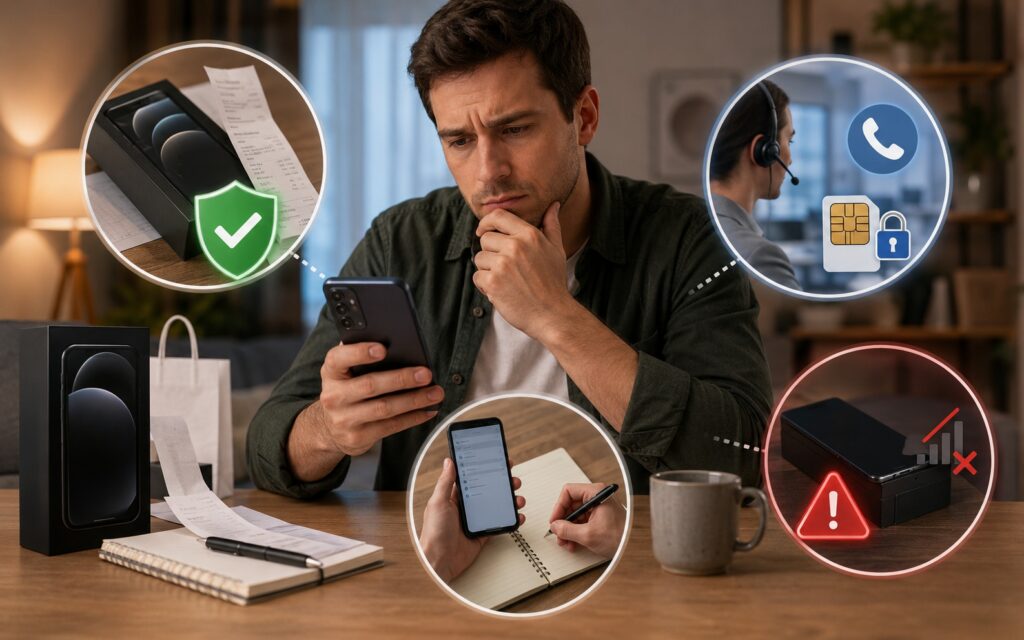
Key tips for today
There’s no need to panic yet: this is about a decree and a mechanism that is still being rolled out, not about mass disconnections. But a few simple steps will help you avoid an unpleasant situation:
- Buy phones officially and keep the receipt or documents — this is your insurance if the device ever comes under question regarding the legality of its import.
- Write down your device’s IMEI: you can find it in your phone’s settings under device information or by dialing *#06# on the keypad.
- In case of theft or loss, immediately contact your carrier to block the SIM card.
- If you’re considering gray imports to save money, assess the risk: with an active database, such a device could theoretically be blocked.