A new Xiaomi smartphone has appeared in a network certification database, and this leak upends the usual release order. Typically, HyperOS updates go to the flagship lineup first, but this time everything might go differently. By the way, the system is built on the latest Android. Let’s clarify right away: everything regarding the name, chip, and timeline remains rumors for now — only the fact of certification has been confirmed. And which model will be the first to get HyperOS 4 — we’ll tell you below.

Which smartphone will be the first to get HyperOS 4?
Which Smartphone Will Be the First to Get HyperOS 4
In the documents, the device is listed under model number 2608BPX34C — the same one previously linked to Xiaomi’s upcoming foldable smartphone. The certification confirms 5G support, as well as Ultra-Wideband (UWB) technology. In simple terms, UWB helps devices very precisely determine the distance between each other: it’s used for smart tracker tags, contactless car keys, and precise file sharing.
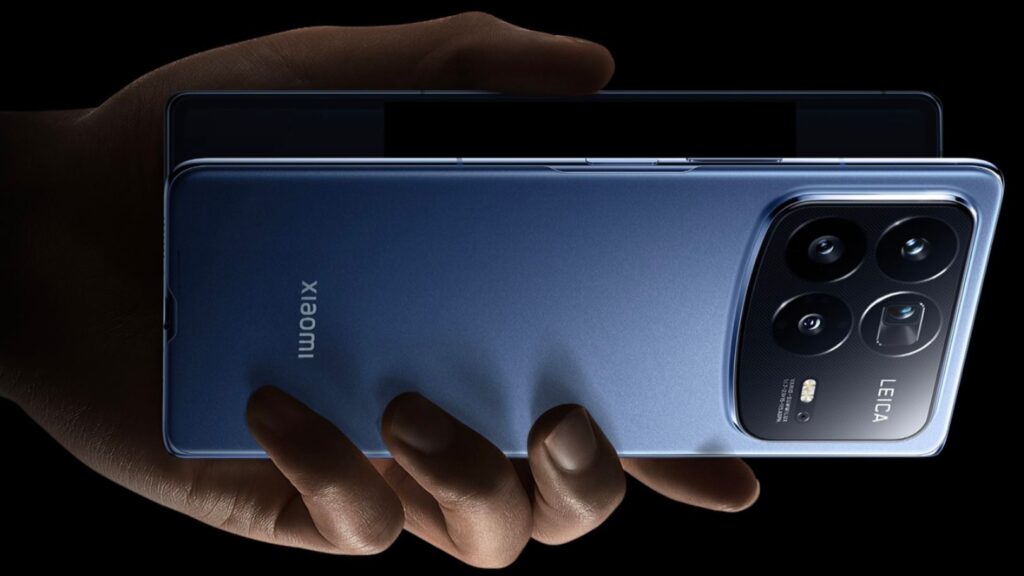
The foldable model may be the first to get Android 17
There’s no exact name in the listing: according to rumors, the foldable Xiaomi will be called either Mix Fold 5 or Xiaomi 17 Fold — even insiders don’t have a definitive answer. But it’s precisely this device that will be the first to get HyperOS 4. Although it might seem like the Xiaomi 18 should update first, apparently that’s not the case.
It all makes sense: the Xiaomi 18 lineup hasn’t even appeared in certification yet, while the foldable smartphone already has. Since the regular flagships haven’t passed inspection yet, their release before the foldable device is unlikely. Therefore, the Xiaomi update to the new system will most likely start with the book-style foldable.
HyperOS 4 — What New Features to Expect
According to leaks, the foldable smartphone will become the first device running HyperOS 4. The main touted feature of Xiaomi’s new firmware is built-in artificial intelligence integrated directly into standard apps, rather than as a separate overlay. Support for a proprietary AI assistant is also expected. In practice, this means that some routine tasks like text processing, photo editing, and suggestions in system apps may work without third-party programs.
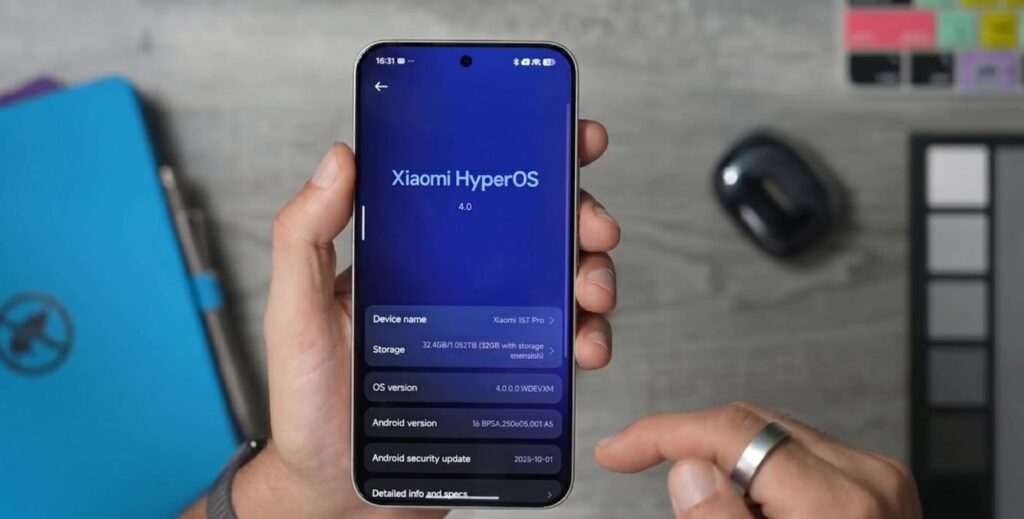
There aren’t many rumors about Xiaomi’s new OS yet
New Xiaomi Foldable Smartphone — Rumors
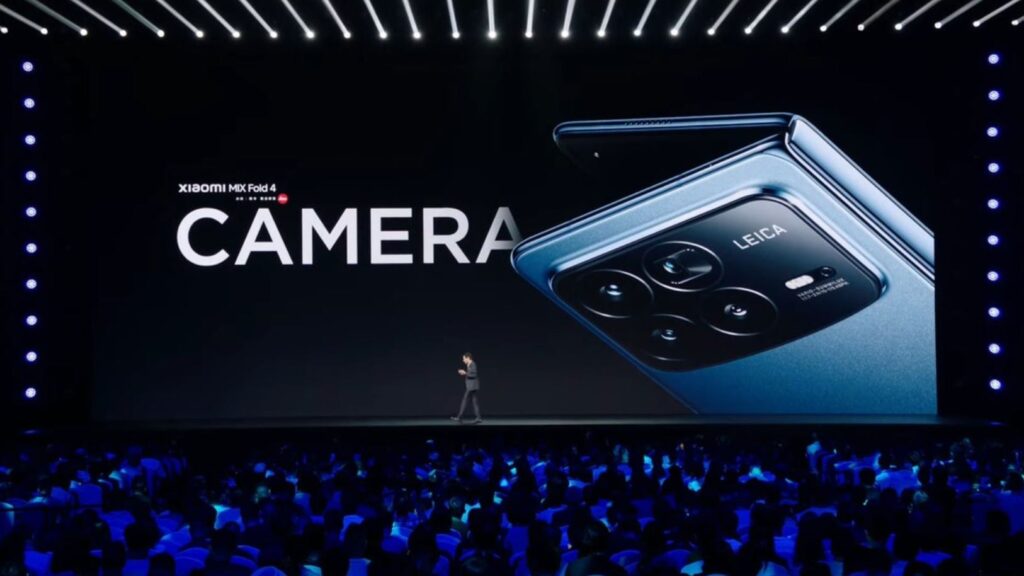
The foldable Xiaomi will be the first to get a proprietary processor
Specs for the foldable Xiaomi have already leaked online. Here’s a summary:
- Xiaomi XRING O3 chip — the company’s own production, already the second generation.
- 200-megapixel main camera.
- 6000 mAh battery.
- A wider inner display than the Mix Fold 4.
Xiaomi MIX Fold 5 is expected to cost around 10,000 yuan, which is approximately 149,000 rubles in Russia at the current exchange rate including markup. If the estimate is correct, the new Xiaomi smartphone will be about 10% more expensive than the Mix Fold 4, which launched at a price of 8,999 yuan (about $1,240).
In other words, the new device is being prepared at a higher price than its predecessor, and this is worth keeping in mind if you’re saving up for a foldable flagship.
When Will HyperOS 4 Be Released
Certification usually means an official announcement is just around the corner: rumor has it that the Android 17 launch for Xiaomi is planned for July-August. However, the global rollout of HyperOS 4 for everyone will only begin in the fall. It makes sense to follow the announcement if you’re specifically looking for a foldable smartphone with a top-tier camera and are ready for a price higher than the previous generation. For everyone else — especially those waiting for the regular Xiaomi 18 flagships — there’s no rush: their turn, based on available data, will come later.
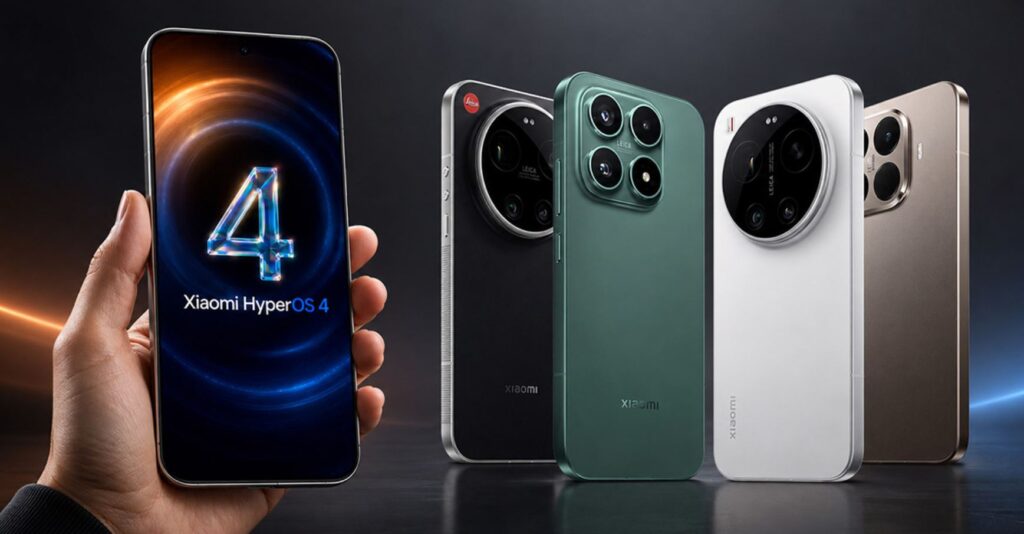
There’s still a long time until the global rollout of the new OS. Photo: xiaomiplanet.sk
Without a doubt, since the new 2026 Xiaomi is already in the database, the picture should become clearer soon, and we’ll finally learn when HyperOS 4 will be released and on which smartphone. Until then, treat the specs as a guideline rather than final data.