Against the backdrop of confirmed information that OnePlus will no longer sell its devices in Europe and the USA, the company’s Russian division issued an official comment. The main takeaway from the statement: OnePlus Russia continues to operate as usual, and operational changes in certain regions do not automatically mean the brand is leaving.
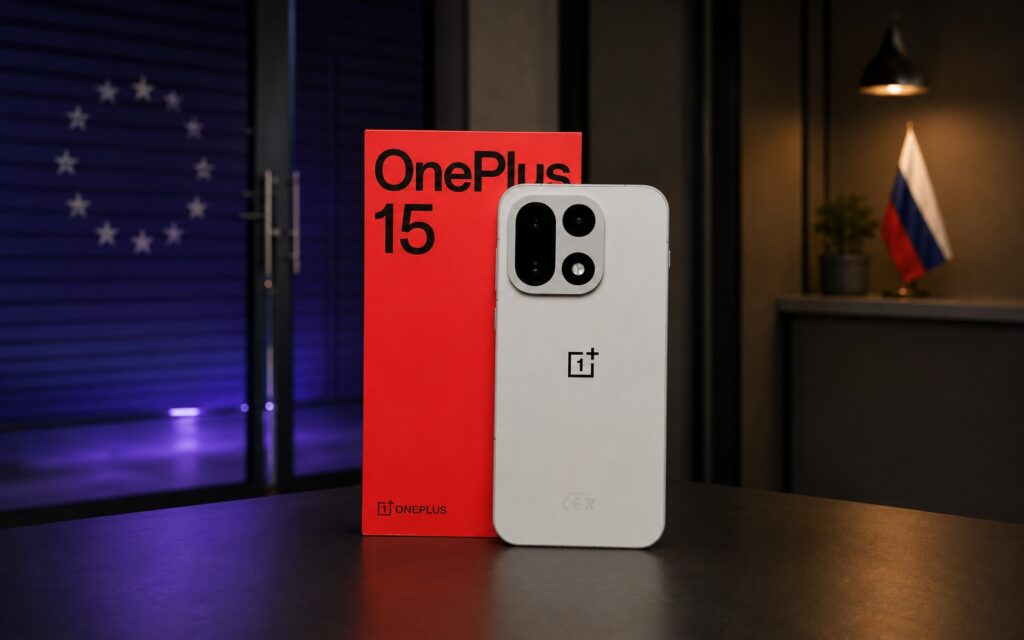
Breaking down the future of OnePlus in Russia
Will OnePlus Continue to Be Sold in Russia
A representative of the Russian division emphasized that adjustments in some regions do not equal the company leaving, and that operations in Russia continue as usual. The wording is calm and lacking specifics: the comment contains no detailed plan regarding timelines, devices, or updates.
The rest of the statement concerns the replacement of the proprietary OxygenOS shell with ColorOS from OPPO. Essentially, the Russian office repeats the general line: there will be few differences between the shells, the design will barely change, and AI-based features will continue to develop. The division promises to present a more detailed plan for ColorOS implementation later.
What Is Happening with OnePlus Worldwide
The day before, OPPO announced a major reorganization of its sub-brands, and the news sparked a wave of questions about the future of OnePlus. At the global level, the situation looks more serious than “cosmetic tweaks.” OnePlus has officially confirmed far more significant things for Western markets. The company confirmed its exit from the US and European markets, as well as the fact that eligible OnePlus smartphones will begin transitioning from OxygenOS to Oppo’s ColorOS with the Android 17 update. At the same time, existing devices will continue to receive updates and support.
OnePlus sales are ceasing in many countries around the world
In other words, globally this is not just about a shell change, but about winding down new launches in the US, Canada, and Europe. Against this backdrop, the Russian office’s statement is a way to reassure local users and separate the local situation from the brand’s overall retreat.
ColorOS Instead of OxygenOS — What Will Change
The most tangible consequence for owners is the fate of the proprietary shell. OnePlus has confirmed that ColorOS 17 will replace OxygenOS worldwide, including India, with the option of voluntary transition and the ability to roll back.
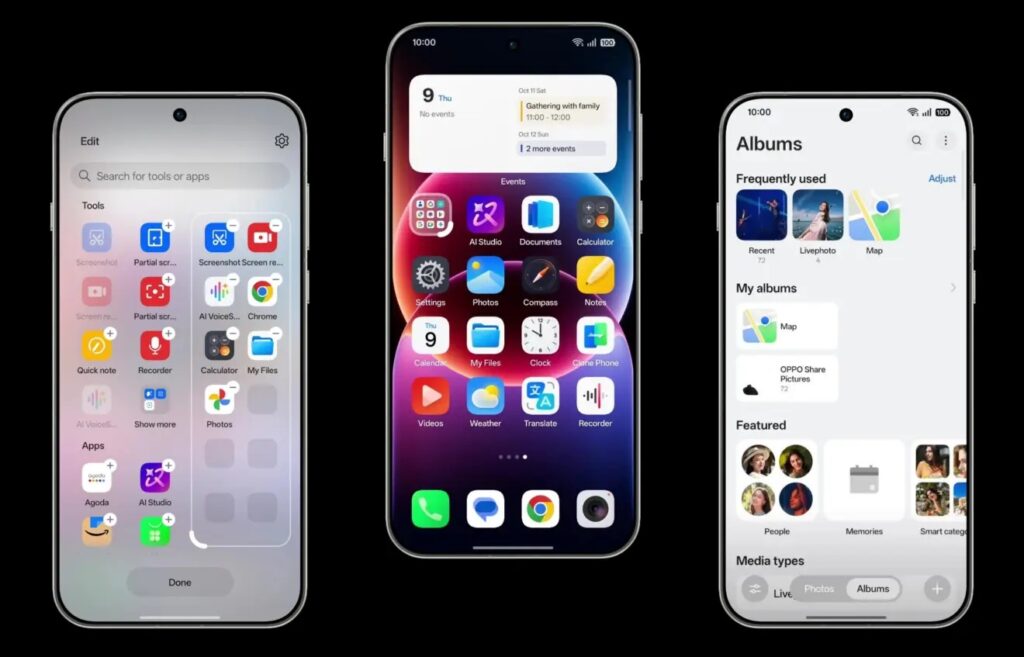
Global versions of OnePlus will now use ColorOS. Image: Oppo
Key details for those who currently own a OnePlus smartphone:
- the update to ColorOS will be voluntary for eligible devices;
- users will be able to choose whether to update to the new ColorOS, and older models outside the update list will continue to receive support for their current version;
- if a user updates to ColorOS, they will be able to roll back to OxygenOS, but specific versions for rollback will be announced later;
- warranty and repair support for existing devices will continue.
Should you panic about this? In practice, the difference between the shells has been minimal for a long time. Technically, both systems are nearly identical, and the differences are now mostly cosmetic. OxygenOS has largely become ColorOS over recent years, and the distinctions came down to minor things — for example, OxygenOS typically handled background processes more carefully and was better optimized for global markets.
What OnePlus Owners in Russia Should Do
In short — no drastic actions are needed for now. The Russian office says it is operating as usual, and the transition to ColorOS itself will be voluntary with the option to roll back. There is no reason to urgently replace your smartphone or change any settings.
Here is a sensible approach for the near future:
- don’t rush to update to ColorOS right after its release — give the rollback feature and initial reviews time to appear;
- if you’re buying a new smartphone now and the shell is critical to you, remember: OxygenOS as a standalone product is being phased out, and the difference from ColorOS is minimal;
- wait for the detailed ColorOS implementation plan from the Russian division — that is where timelines and the list of supported models should appear.
It’s important to honestly acknowledge the limits of what we know: neither prices, nor exact dates, nor a list of devices for Russia are included in the statement. For now, this is more of a “we’re staying” signal than a concrete roadmap. It’s also worth noting: OnePlus in India claims that business continues as usual, while Bloomberg believes the broader reorganization could reach India by 2027. This is a reminder that such assurances don’t always mean long-term stability.