What to eat for iron deficiency?
Rice, buckwheat, pasta — that’s roughly where the list of side dishes ends for most of us. It seems like there’s not much to choose from: we serve whatever is on hand with meat or chicken. But if you’re low on iron, the usual buckwheat is far from the best choice. Scientists from the University of Adelaide in Australia studied products in local supermarkets and identified two side dishes that handle the task noticeably better. Spoiler: buckwheat isn’t on the list, although green buckwheat is significantly richer in minerals than regular buckwheat. But there is something inexpensive that likely ends up in your shopping cart at least occasionally.
Why Chickpeas and Lentils Are Richer in Iron Than Grains
Australian specialists compared the content of beneficial minerals in various plant-based products and assessed how well the body can absorb them. The results showed that legumes contain more iron and zinc than familiar grains like oats and wheat.
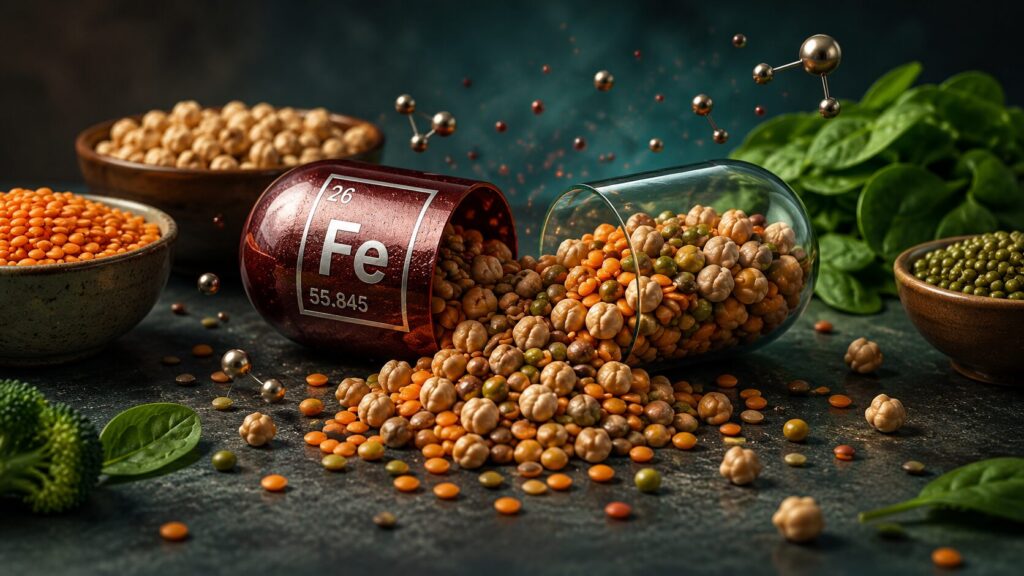
The leaders turned out to be chickpeas and lentils — both in whole form and as flour. According to the researchers, legumes are high in protein and minerals, and a significant portion of these substances is available for absorption. This is important: a product may contain a lot of iron, but its real benefit depends on how much of the mineral actually enters the body. For example, even iron from green buckwheat is poorly absorbed due to phytic acid and certain combinations with beverages.
At the bottom of the ranking were corn, cornmeal, and processed wheat: they contained the fewest beneficial minerals. Therefore, white rice and pasta made from refined flour are unlikely to significantly increase iron intake in your diet.
What Is Phytic Acid and How Does It Interfere with Iron Absorption
The scientists also drew attention to phytic acid, or phytates. These are natural compounds found in many plant-based foods. For a long time, they were considered rather harmful because they can indeed bind certain minerals and prevent their absorption. However, phytates also have beneficial properties, so there’s no need to avoid them entirely.
Chickpeas and lentils contain a lot of phytates, but iron and zinc from them are still absorbed quite well. Additionally, the amount of phytic acid can be reduced through soaking, sprouting, or fermentation. There are also certain food combinations that either hinder iron absorption or, conversely, help the body obtain it. For example, plant-based iron is best paired with sources of vitamin C.
Other Benefits of Chickpeas and Lentils for Iron Deficiency
Iron isn’t the only reason to add these legumes to your menu. They are high in protein and dietary fiber, so they are filling and help diversify your diet.
Chickpeas are great because they:
- provide long-lasting satiety thanks to protein and fiber;
- support normal bowel function;
- help control appetite and cholesterol levels.
Lentils are no slouch either:
- they contain a lot of soluble and insoluble fiber, which supports digestion and helps avoid sharp blood sugar spikes;
- they contain potassium, magnesium, phosphorus, and copper — making them not just a source of iron, but a product with a rich mineral profile.
By the way, for those looking to reduce visceral fat, legumes are also useful: the combination of protein and fiber helps maintain satiety for a long time.
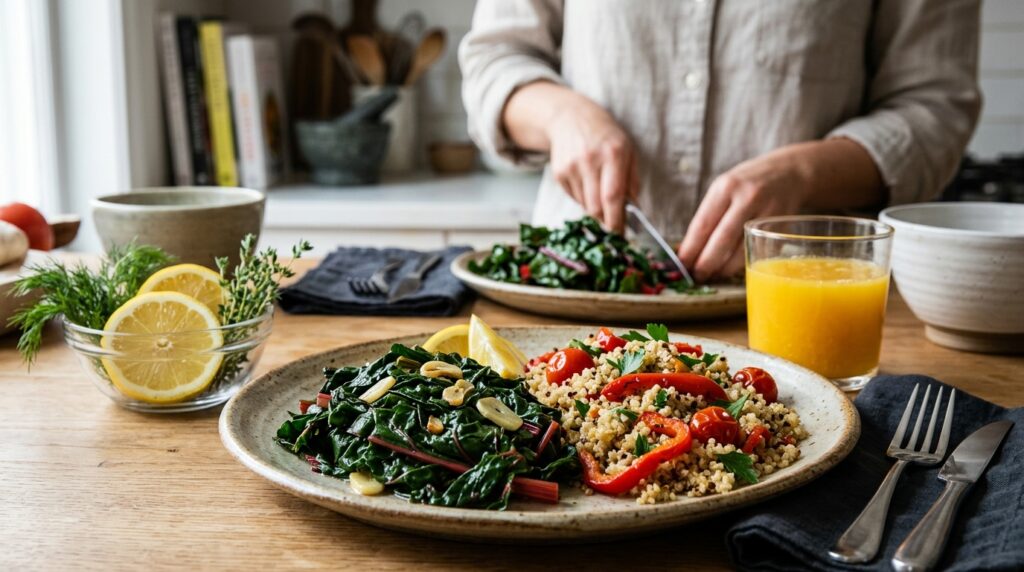
Legumes can easily be made into soup, salad, and even a full main course
Why Your Body Needs Zinc and Where to Get It from Legumes
Zinc is mentioned less often than iron, although it is equally essential for the body. This trace element is involved in immune system function, tissue repair, wound healing, and the perception of tastes and smells.
Chickpeas and lentils allow you to get several important nutrients in a single serving: iron, zinc, plant-based protein, and fiber. However, they should not be considered a way to independently cure a confirmed deficiency — when levels are noticeably low, nutrition usually supplements treatment prescribed by a doctor.
How to Add Legumes to Your Diet Without Boredom
Legumes often seem boring and complicated to prepare. In reality, chickpeas and lentils work well in a wide variety of dishes. You can make:
- a side dish for meat or poultry instead of the usual rice;
- a hearty soup or cream soup;
- a salad or patties for a burger;
- a dessert — brownies are actually baked from legumes.
Lentils also cook quickly and don’t require overnight soaking like dried chickpeas. So it’s easy to add them even to a regular weekday dinner. A healthy diet, by the way, is not boring at all, while many common myths about healthy eating only make people unnecessarily give up tasty and nutritious dishes.
Buckwheat and rice remain perfectly fine side dishes, but you shouldn’t limit yourself to only those. If your blood tests show iron deficiency, lentils and chickpeas can help diversify your diet and add more iron, zinc, protein, and fiber to it.