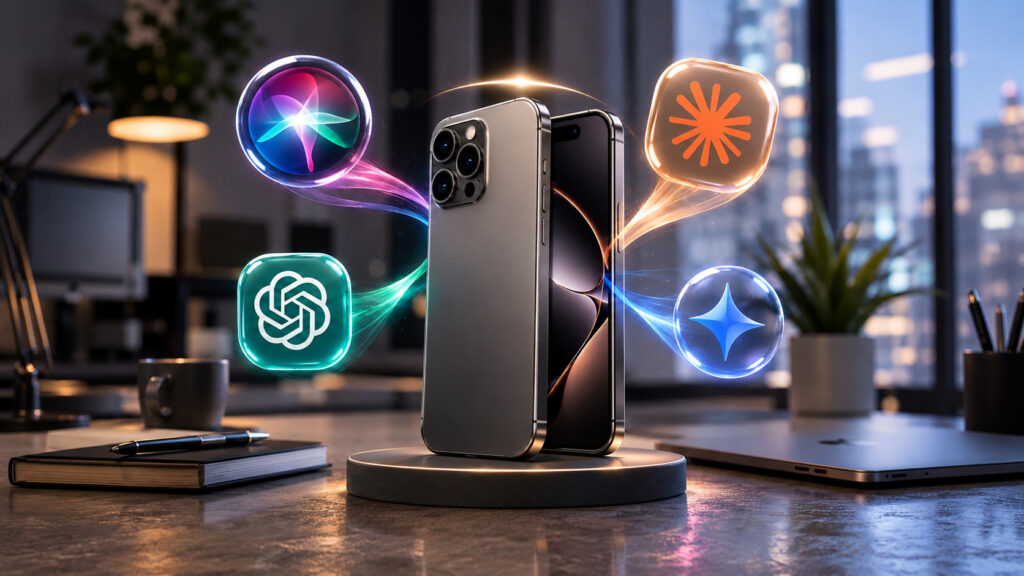
AI assistants can help narrow down smartphone choices, but their answers are highly prompt-dependent
When asked to name the best smartphone of 2026, eight different AI assistants — including Siri, ChatGPT, Claude, Gemini, Grok, Bixby, and Oppo AI — gave eight different answers. The informal experiment, conducted by the author of the CustomAdventurist channel, reveals how inconsistent and prompt-dependent AI recommendations remain. The iPhone 17 Pro Max appeared most frequently across the responses, but the results varied wildly: some AIs picked only one phone, others listed four, and changing the wording of the question was enough to make the same AI change its mind entirely.
What you need to know
- The iPhone 17 Pro Max was the most frequently recommended phone across the eight AI assistants tested, followed by the Samsung Galaxy S26 Ultra.
- Two assistants from Android manufacturers — Samsung’s Bixby and Oppo AI — independently named the iPhone 17 Pro Max as the best smartphone, rather than their own devices.
- Grok (xAI) and Google Gemini each named only a single winner — the Google Pixel 10 Pro XL — offering no alternatives.
- Slightly rephrasing the prompt caused the same AI to change its recommendation, undermining the idea that these tools produce objective rankings.
What each AI assistant recommended
According to the source, the CustomAdventurist channel author posed the same question — “What is the best smartphone of 2026?” — to each AI in turn. Here is what they said.
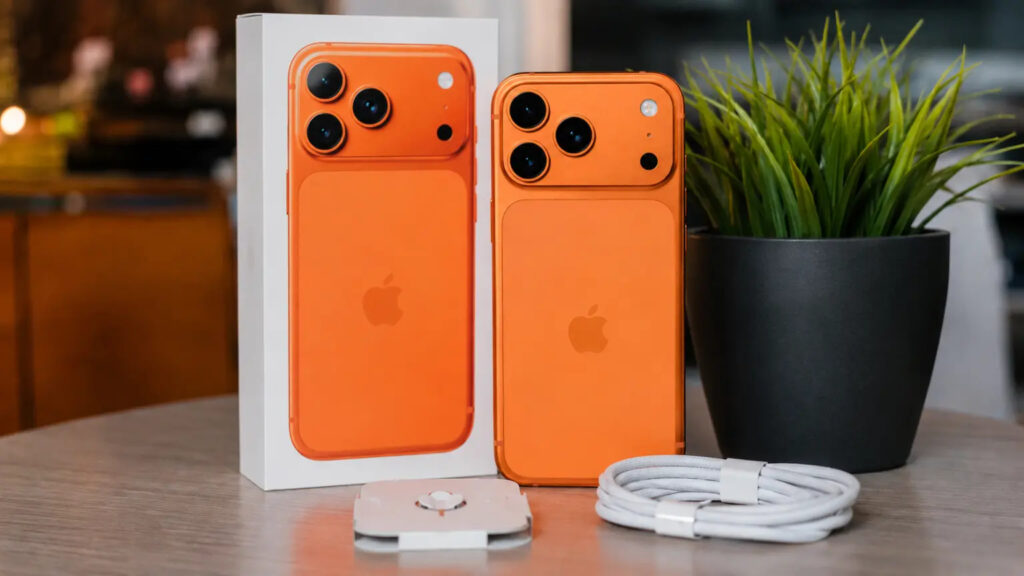
Several AI assistants named the iPhone 17 Pro Max as the best smartphone of 2026
Siri AI gave the most predictable answer, naming two flagships: the iPhone 17 Pro Max and the Samsung Galaxy S26 Ultra. The source notes that both devices top most conventional rankings in 2026, so Siri essentially reflected the existing market consensus without any surprises.
ChatGPT kept the same two phones but added a third: the Google Pixel 10 Pro. The source suggests this is consistent with ChatGPT’s tendency to factor in price-to-performance ratio, not just raw specifications, and Google’s computational photography strengths make the Pixel a logical inclusion.
Claude and Grok diverge sharply
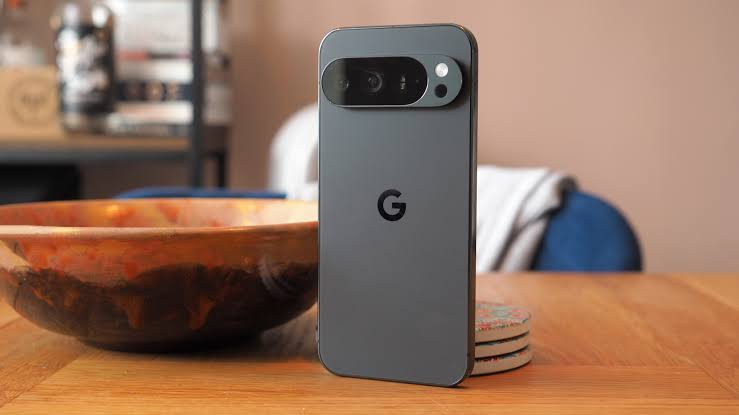
Grok named the Google Pixel as its sole recommendation
Grok, xAI’s assistant that lives within the X (formerly Twitter) ecosystem, named just one model: the Google Pixel 10 Pro XL. It offered no alternatives. The source describes this as puzzling, given that Grok has no direct connection to Google.
Claude produced the broadest list of all the AIs tested, recommending four devices:
- iPhone 17 Pro Max
- Samsung Galaxy S26 Ultra
- Oppo Find X9 Ultra
- Xiaomi 17 Ultra
The source notes that the Oppo Find X9 Ultra launched in April 2026 with a quad-camera system and a 200-megapixel sensor, while the Xiaomi 17 Ultra features Leica optics. Both phones rarely appear in Western rankings but compete with Apple and Samsung flagships on hardware. Claude’s inclusion of Chinese camera-focused phones stood out as unusually broad-minded among the AI responses.
Bixby, Gemini, and Oppo AI round out the results
The most surprising individual answer came from Samsung’s Bixby. Rather than promoting Samsung’s own Galaxy lineup, Bixby named the iPhone 17 Pro Max as the best smartphone, citing expert opinion. It did not mention any Samsung device at all.
Google Gemini went the opposite direction, naming only the Pixel 10 Pro XL as its sole pick. Oppo AI also chose the iPhone 17 Pro Max. So two assistants built by Android manufacturers independently crowned an Apple phone, while Google’s own AI stuck with the home team.
Why AI smartphone recommendations are unreliable
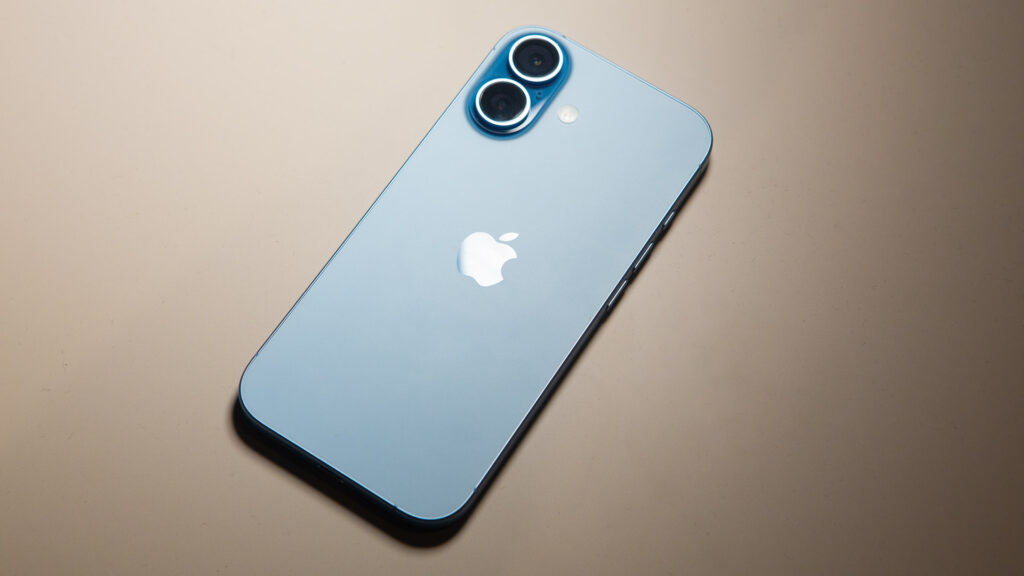
A slight change in the prompt caused some AIs to recommend even the base iPhone 17
The source author reports attempting to replicate the experiment independently. When posing the same question to ChatGPT, it chose the Pixel 10 as the best option for most people, relegating the iPhone 17 Pro Max to an honorable mention. Claude, meanwhile, named the standard iPhone 17 as its top pick and unexpectedly added the OnePlus 15 as a budget-friendly flagship alternative.
The discrepancies have a straightforward explanation: prompt wording changes everything. The source notes that Gemini, in a test referenced from Android Authority, first recommended the outdated Pixel 9 Pro XL, then switched to the iPhone 17, and after a follow-up question about overpaying, settled on the Pixel 10 — all within a single conversation. The same AI changed its mind twice in under a minute.
The source’s conclusion is measured: AI assistants can serve as a reasonable starting point when researching smartphones, summarizing reviews and general market sentiment effectively. However, they tend to gravitate toward the most heavily marketed models and shift their recommendations easily when the question is rephrased even slightly. They should be treated as a conversational tool rather than a definitive verdict, with the final decision based on individual needs and budget.