At a farewell meeting with Apple employees, Tim Cook called the launch of Apple Maps in 2012 his first big mistake as CEO. For the first time ever, he explained the reason for the failure: map testing was conducted primarily in the vicinity of Apple’s headquarters in Cupertino, and the team simply didn’t notice how poorly the service worked in the rest of the world.
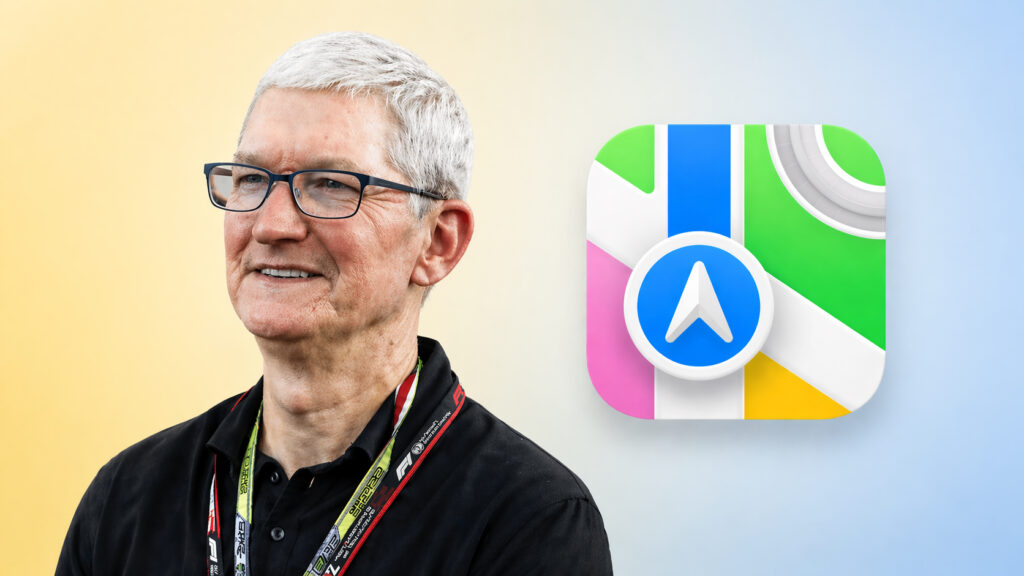
Apple Maps became Cook’s biggest failure, by his own admission
Why Apple Maps Failed After Its 2012 Launch
According to Bloomberg, at an internal Apple Town Hall meeting on April 22, 2026, Cook discussed the transfer of authority to new CEO John Ternus with employees. During the conversation, the outgoing company head also reflected on his mistakes.
The product wasn’t ready, but we thought it was because we were mostly testing locally, close to ourselves.
This is the first public explanation of why Apple Maps at launch produced erroneous routes that sometimes literally endangered users’ lives. Australian police in 2012 even issued warnings about Apple’s navigation.
In 2012, this app was completely unready for use
The consequences of that launch were serious: Cook fired Apple Maps head Richard Williamson, publicly apologized to users, and then fired Scott Forstall — the vice president in charge of iOS who refused to sign that very apology. Forstall, it should be noted, was personally selected by Steve Jobs and had long been considered one of the candidates for the CEO position. Since then, Apple’s structure remained stable, and only at the end of 2025 did top managers begin leaving Apple again, but this time of their own volition.
Apple Watch — The Flagship Product of the Tim Cook Era

Tim considers Apple Watch his greatest achievement
When the conversation turned to successes, Cook highlighted Apple Watch. He said he still remembers the first letter from a user who wrote that the watch saved his life.
Now I receive such letters every day, but that first one literally made me stop in my tracks
He called Apple Watch his greatest achievement during his tenure, though he added that “there were many outstanding moments.”
At the same time, Cook acknowledged that his list of mistakes over 15 years would be “extraordinarily long.” Among the obvious candidates are the canceled Apple Car project and the never-released AirPower wireless charger, which Apple publicly announced but was unable to bring to production.
Apple Maps in 2026: How Apple’s Maps Have Changed
Since 2012, Apple has invested enormous resources into overhauling its mapping service. Today, Apple Maps is considered a strong product — according to WSJ, by 2023 users had begun to view it significantly more favorably. Nevertheless, the service still can’t be called perfect: as the AppleInsider editorial team notes, for one of its staff members, the “Home” button periodically routes to a location with a similar name several kilometers from the actual address.
Additionally, Apple Maps is moving toward monetization: in the summer of 2026, ads will appear in the service. Apple promises they will operate with respect for user privacy, but the very fact of advertising appearing in navigation is a notable shift for a company that has always positioned its services as an alternative to Google’s advertising model.
What the Apple Maps Failure Says About Apple’s Culture
The Apple Maps story is not just a curiosity from the past. It reveals how Apple’s decision-making culture works. The company released a raw product, replacing Google Maps on hundreds of millions of iPhones, and was so confident in its quality that it didn’t notice problems beyond California.
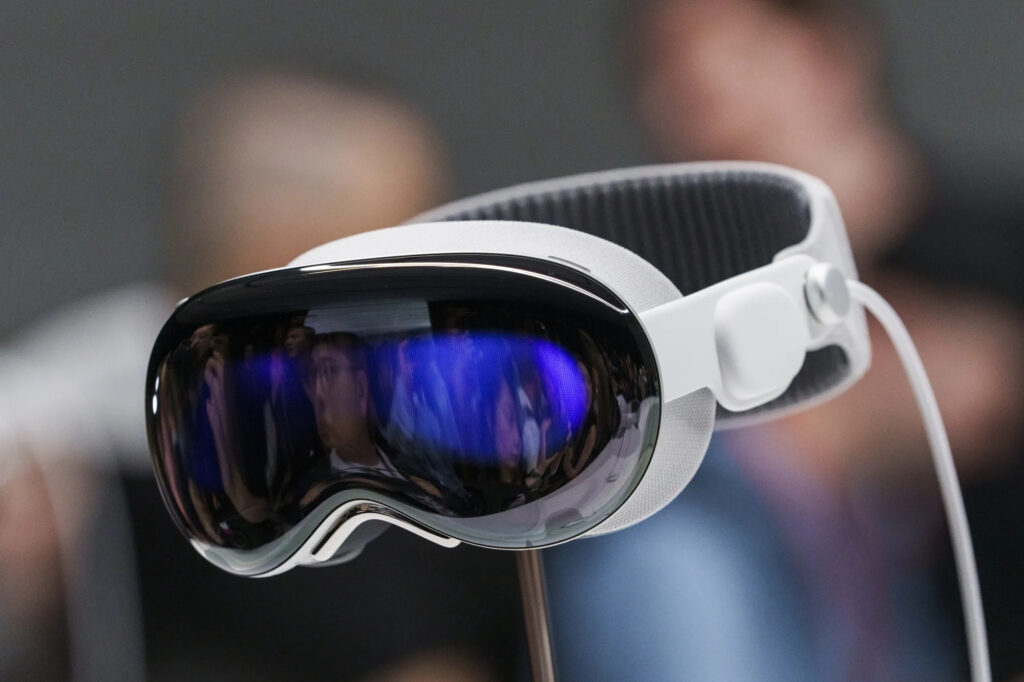
Apple has another controversial product from the Tim Cook era, but nobody’s talking about it yet
For users, this story is a reminder of a simple truth: even Apple can make serious mistakes, and a high-profile launch of a new feature is no guarantee that it will work well from day one. This is useful to keep in mind with every major update.
The CEO change to John Ternus, an engineer by education and experience, may influence how Apple tests products before launch. But for now, that’s just a hope, not a fact.