In preparation for the release of the new HyperOS 4 shell, which we covered separately, Xiaomi has launched the July security update, and this time the coverage is truly massive. The patch is being received by 58 Xiaomi, Redmi, and POCO devices — from flagships to the most affordable smartphones and tablets. Below, we’ll break down who made the list, what it means in practice, and why the update won’t reach everyone at the same time.

Installing the important Xiaomi security update
Xiaomi Security Patch — What’s New in July 2026
Xiaomi has started rolling out the July 2026 security update to 58 Xiaomi, REDMI, and POCO devices. All firmware carries a patch date of July 1, 2026, and closes known system vulnerabilities. Essentially, this is a regular service update: it doesn’t bring new features but patches security holes and improves system stability.
Both HyperOS 3 and HyperOS 2 builds are included in the rollout. This means even devices that haven’t yet transitioned to the new shell version still receive protection. Against the backdrop of Google recently releasing an empty Android security patch, Xiaomi’s wide distribution looks much more meaningful.
Which Xiaomi Flagships and Tablets Received the Update
Xiaomi 14 Ultra is one of the most widely covered devices in this rollout: its July update is available in six regions at once, including Russia. This is a good sign for owners of last year’s flagship: the device continues to receive support.
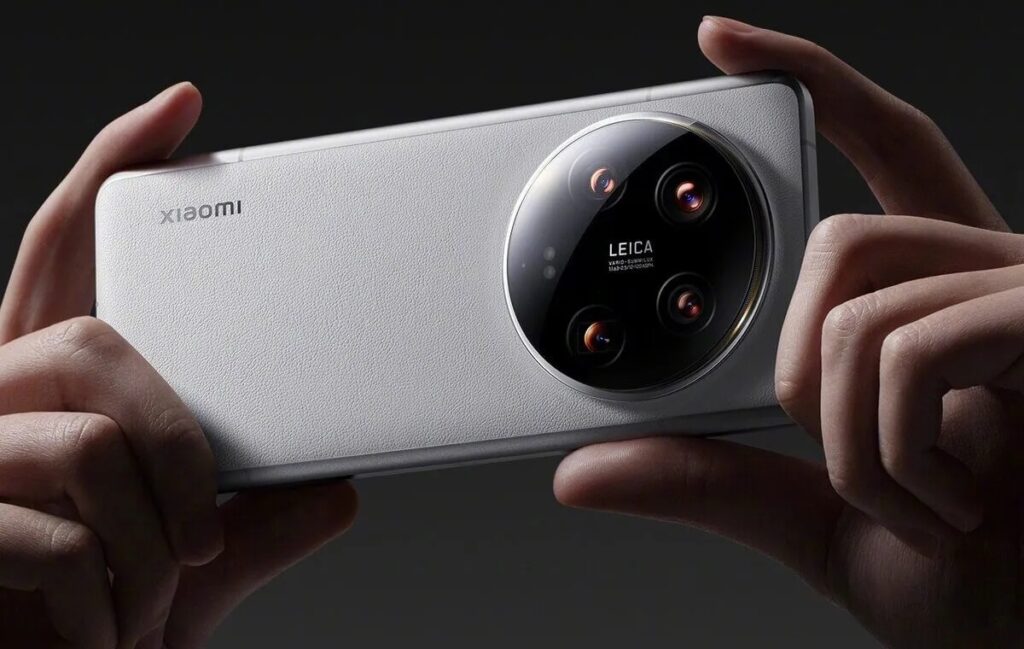
Xiaomi 14 Ultra — one of the update recipients. Image: Xiaomi
The newer Xiaomi 17T and Xiaomi 17T Pro have also joined the July rollout. In addition, other models in the lineup are also receiving the update:
- Xiaomi 13 Lite, 13 Pro, and 13T;
- Xiaomi 14 CIVI, Civi 2, and Civi 4 Pro;
- Xiaomi Pad 6S Pro 12.4;
- Xiaomi Pad 7 and Pad 7 Pro.
There’s one nuance that Xiaomi 13T owners should know about. The European version remains on HyperOS 2, while the Indonesian version has already moved to HyperOS 3. In other words, the shell version depends not only on the model but also on the firmware region.
Security Update for POCO Smartphones
POCO X7 received one of the widest regional coverages in this batch: the July patch is available in China, India, Indonesia, Russia, Taiwan, Turkey, and on the global market. For owners in Russia, this is a rare case where the update arrives without a delay compared to other countries.
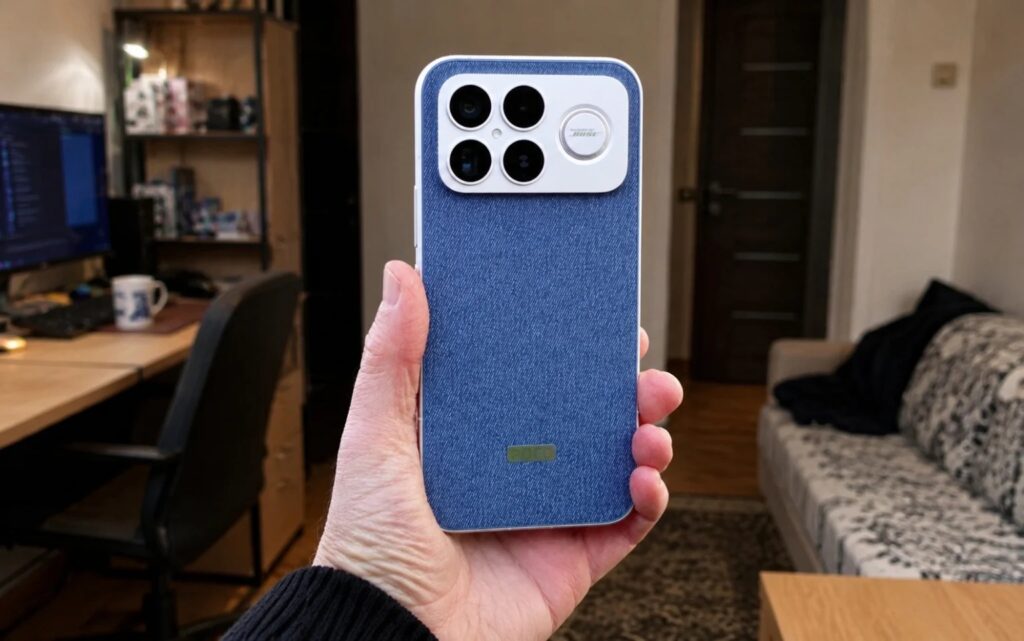
POCO smartphones are also receiving this update
Besides the X7, other devices from the brand are also getting the update. POCO X8 Pro and POCO X8 Pro Iron Man Edition use identical regional builds — for EEA, India, Indonesia, and Taiwan. Budget and mid-range models also made the list:
- POCO C Pad, C75, C81, C85 4G, and C85x;
- POCO M6, M6 Pro 4G, M7 4G, M7 Plus, M8 Pro 5G, and M8s;
- POCO Pad, Pad M1, and Pad X1.
REDMI Update: Which Smartphones Made the List
The rollout isn’t limited to flagships. Several devices in the REDMI Note lineup received the new patch, and REDMI Note 14 Pro is being updated in seven regions at once. The list of Note models along with the brand’s tablets includes:
- Redmi Note 13 Pro 4G;
- Redmi Note 14 4G, 14 Pro, 14 Pro 4G, and 14 Pro+;
- REDMI Note 15 Pro and Note 15 Pro+;
- REDMI Pad 2 4G and Pad 2 9.7;
- Redmi Pad 2 Pro;
- Redmi Pad Pro and Pad Pro 5G;
- REDMI Pad SE 2, Pad SE 4G, and Pad SE 8.7 Wi-Fi.
The July release isn’t limited to premium models — several REDMI A-series devices and more affordable smartphones also made it into the rollout. Among them are Redmi 13, 13C 5G, 13R, 13X, 14C, a whole group of REDMI 15 and REDMI 17 5G, as well as A3 Pro, A7 Pro, and Turbo 5.
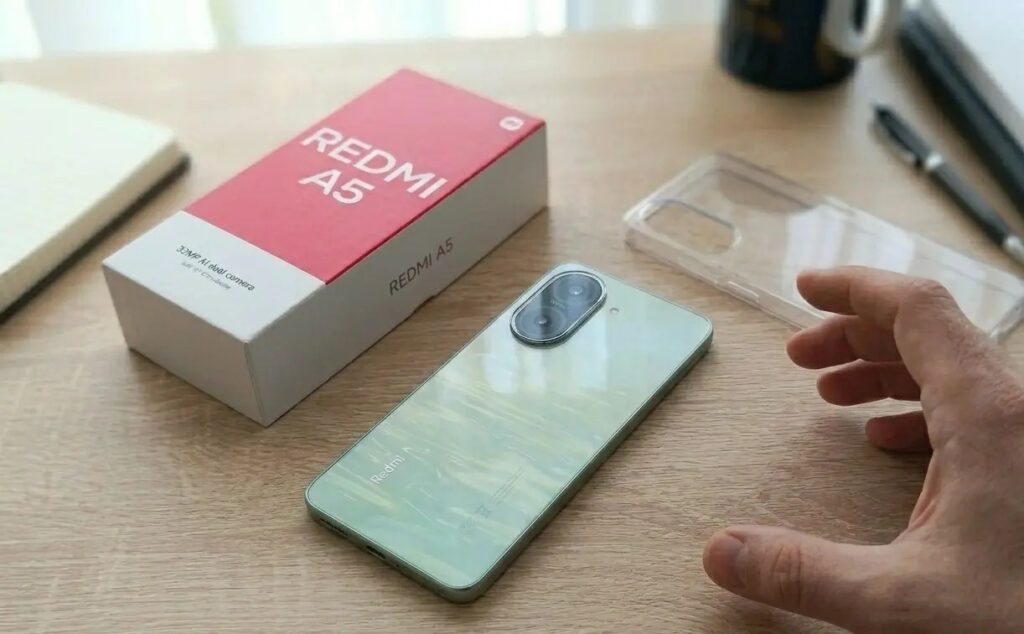
The update has even reached the cheapest REDMI phones
It’s important to understand the difference in shell versions here. Some devices remain on HyperOS 2: for example, Redmi 13C 5G and Redmi 13R in Europe and Taiwan, as well as REDMI 15C 4G in the EEA region. This isn’t a problem — they still receive the security patch, just on the previous version of the interface.
Why the July Xiaomi Patch Won’t Reach All Devices at Once
The list is large, but don’t expect the patch to arrive on all devices simultaneously. All listed builds carry a patch date of July 1, 2026, but that doesn’t mean every owner will receive the update at the same time.
Xiaomi distributes firmware in stages, and build availability depends on the device’s region. There’s an important limitation here: a global firmware generally cannot be installed over a European, Turkish, Indian, Chinese, or Taiwanese version without additional steps. Simply put, manually installing someone else’s regional build is risky — you might end up with problems instead of protection. What to do now:
- Open settings and go to the HyperOS updates section.
- Manually check for the July patch without waiting for an automatic notification.
- If the update isn’t available yet, wait a few days — the rollout happens in waves by region.
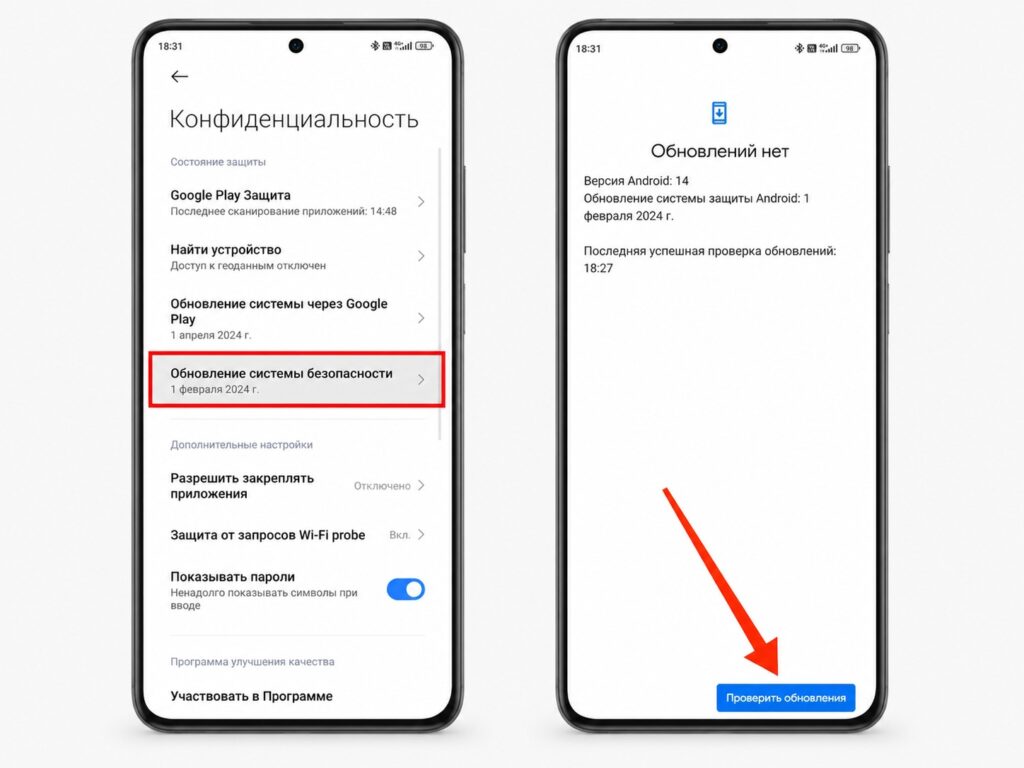
The update is installed through the phone’s settings
Everyone who has the update available should install it — it’s free, closes vulnerabilities, and requires no extra effort. There’s no need to expect new features, but for the security of everyday use, this is sufficient. If your model isn’t on the list or the patch hasn’t arrived yet — that’s normal, the rollout will gradually reach you too.