The IMEI database in Russia is no longer something distant and abstract. The government has published a draft order under which stolen, lost, and illegally imported smartphones will be blocked directly on carrier networks, and SIM cards in unregistered devices will be disconnected. On paper, it makes sense, but the most everyday scenarios are at risk. IMEI registration is exactly about how devices with complicated histories can easily get you into trouble.
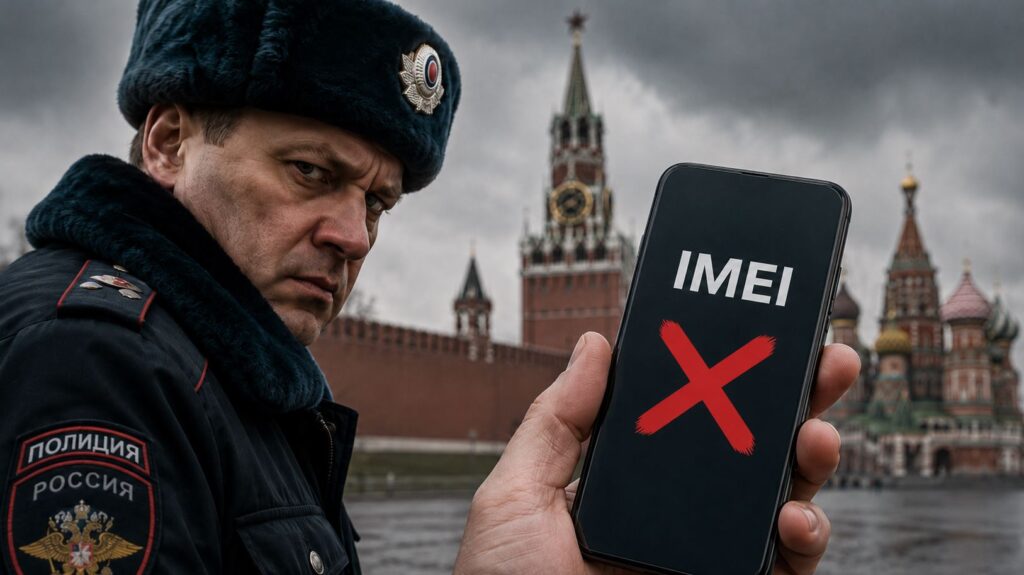
Here’s what we know about the IMEI database in Russia
Tying SIM Cards to Smartphone IMEI
Right now, you can take a SIM out of an iPhone, move it to an Android, share internet, and put it back. The carrier sees this but doesn’t intervene. After the registry launches, the link between a number and a device will become legally significant. Obviously, this is a fairly rare case: how often do you actually move a SIM card from one phone to another? Probably not often.
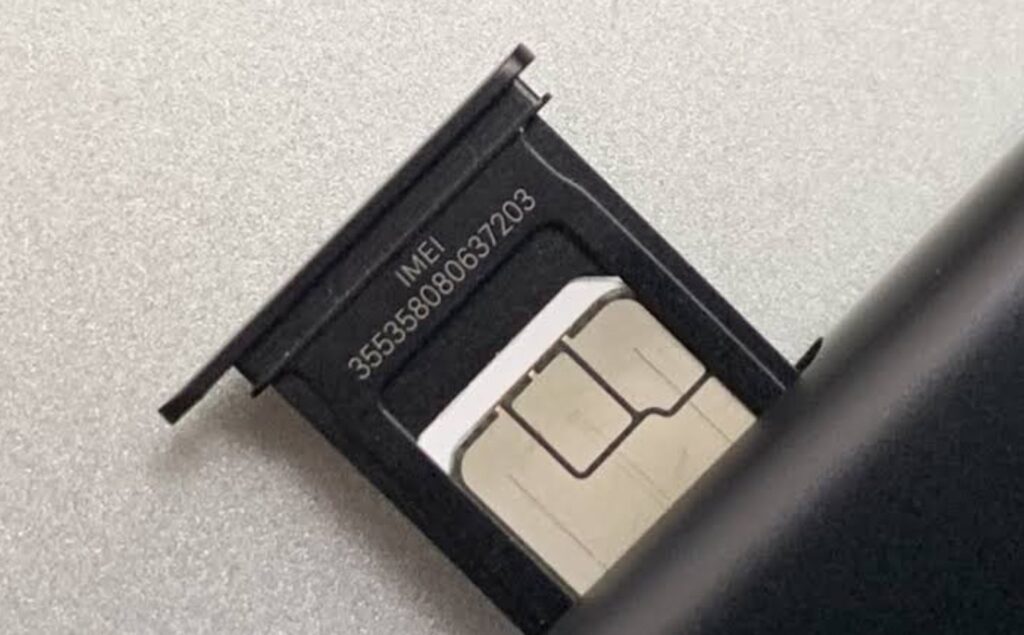
Moving a SIM card from one phone to another will become more problematic
Nevertheless, with each SIM swap, the carrier will check the smartphone’s IMEI: is the device authorized, is it flagged as problematic, can it be serviced. Ideally, everything will happen instantly and seamlessly. In practice, delays and false positives are possible.
Will Your Backup Phone Stop Working
A second phone, it seems, will become useless
Many people keep an old phone at home for a rainy day, whether to have access to banking apps or contactless payments. But soon everything may change and you’ll have to stick with one phone.
With the new system, such a backup is less useful: if your main smartphone breaks and the backup’s IMEI isn’t in the database or is entered incorrectly, the carrier simply won’t let it on the network. You’ll have to prove through Gosuslugi (government services portal) that the phone is legitimate, and if you need to make a call right now, there’s nothing convenient about that.
What Happens If You Buy a Used iPhone
Previously, when buying a used device, people checked the appearance, battery, iCloud lock status, and serial number. Now there’s a mandatory new step: IMEI verification. If the number is on the blocked list, mobile service on that device won’t work in Russia.

Reselling iPhones privately has always been risky. And now — even more so
Especially risky are smartphones without documentation, those from gray market imports, and devices with murky repair histories.
What Happens If You Brought an iPhone from Abroad
A separate pain point — smartphones purchased abroad. There are promises not to introduce paid registration, but the absence of a fee doesn’t eliminate the bureaucracy. You bring an iPhone from another country, insert a Russian SIM, and then the device needs to be added to the database. If it happens automatically, no questions. But if you have to manually enter the IMEI on Gosuslugi and wait for carrier confirmation, the device risks being left without service for a long time.
Interesting times await those who ordered a smartphone from another country
In Kazakhstan, for example, you’re given 90 days for registration, but there’s no clear grace period for Russia yet.
IMEI Database Errors — What Will Happen to Your iPhone
Any large database eventually makes mistakes: somewhere a number was transmitted incorrectly, somewhere a board was replaced during repair, somewhere a device was mistakenly marked as stolen. For the carrier, it’s a line in the system; for a person, it means no service on the iPhone, no bank SMS, non-working navigation, and broken two-factor authentication. I spent almost a year getting a single typo in my passport data corrected with a major carrier, and making a mistake in IMEI digits is even easier.
An error in the IMEI database — and you’re without service. Unfortunately, this will definitely happen
The idea itself of blocking stolen phones is sound: stealing devices that can’t be activated on networks is simply unprofitable. The issue is in the details. For now, it looks like the user is guilty by default until they register their IMEI in the database themselves. And if the blocking mechanism starts working, the question remains open as to what else it will catch tomorrow.