Good news comes rarely, so let’s take note of today’s right away. The Ministry of Digital Development has stated that Russians will not have to pay for adding their smartphone to the IMEI database — this was reported by Kommersant with reference to the ministry. And just recently, the forecasts were far from optimistic. The story, by the way, repeats almost exactly another initiative: shortly before this, the fee for VPN traffic in Russia was also postponed again. It feels like the authorities are testing public reaction before implementing anything. Here’s what we know.
What is known about the IMEI number database in Russia
How Much Will IMEI Registration Cost in Russia
Here’s the key point: the Ministry of Digital Development will not charge money for adding a phone to the IMEI database. Although recently news broke that paid IMEI registration would affect everyone. For now, the ministry has explicitly emphasized that there is no talk of charging any fee. Previously, a scenario was discussed where the fee would become mandatory for everyone — from the factory to the store shelf. This was the scenario people feared most, because any importer expenses would ultimately be reflected in the smartphone’s price.
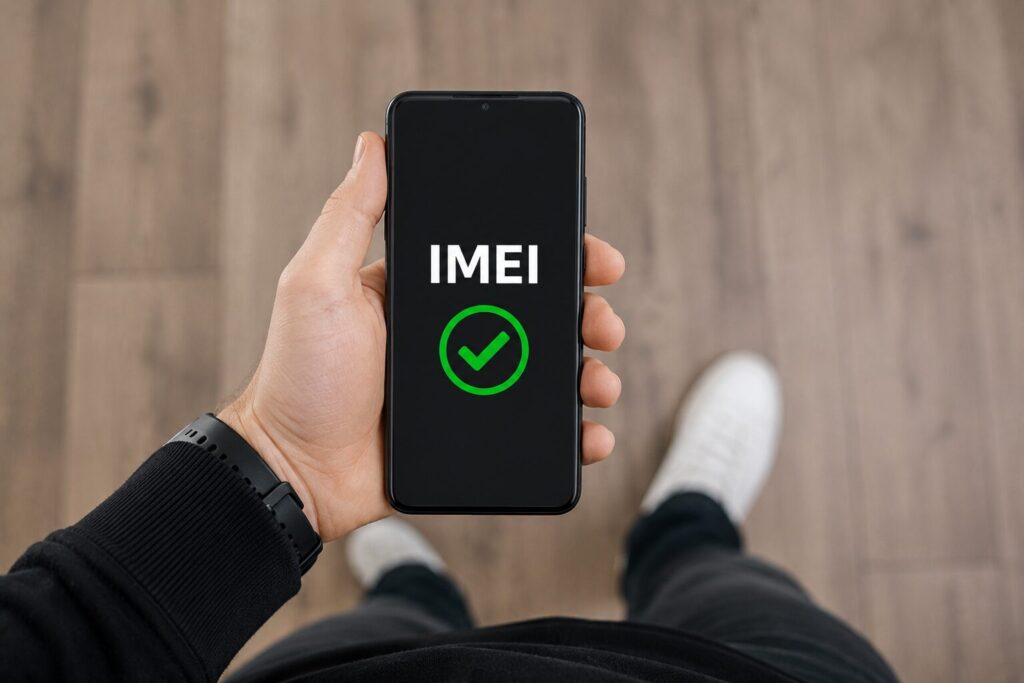
So far, no fee for adding to the IMEI database is planned
Let me remind you how the unique identifier works in general. IMEI in a phone is a 15-digit number that the manufacturer assigns to each smartphone at the factory, and even two identical models have different codes. Carriers use it to identify a device on the network, banks verify app logins with it, and police search for stolen phones using it. So the IMEI identifier itself is a useful thing — the question has always been how exactly the government would decide to manage it.
Why a Unified IMEI Registry Is Needed
But here it’s too early to relax. The cancellation of the fee does not mean the cancellation of the database itself — it will still be created. The unified registry is being discussed as part of the second package of amendments to combat cyber fraud.
The logic is as follows: smartphones that people already have in their hands will be recognized as legitimate, and there’s no need to worry about your current device. But going forward, the system may work more strictly — for example, one SIM card will not work in different phones.
Currently, it is being discussed that all devices already in users’ hands will be recognized as legitimate. In the future, the system may work so that a SIM card linked to a specific IMEI will not function in another device.
Why does the government need all this? There are two clear goals. The first is market whitening: according to industry estimates, the share of gray market turnover in certain categories (for example, Apple smartphones) can reach up to 50%. The second is tax collection, because legal imports mean customs duties going to the budget. It sounds reasonable, but the devil, as always, is in the details of implementation.
Will Smartphones Without Registration Be Blocked
This is the question that concerns those who bought a smartphone on AliExpress or in another country. Let me reassure you right away: in the current version of “Antifraud 2.0,” blocking of gray devices is not prescribed. That means right now gray smartphones in Russia will not be disconnected.
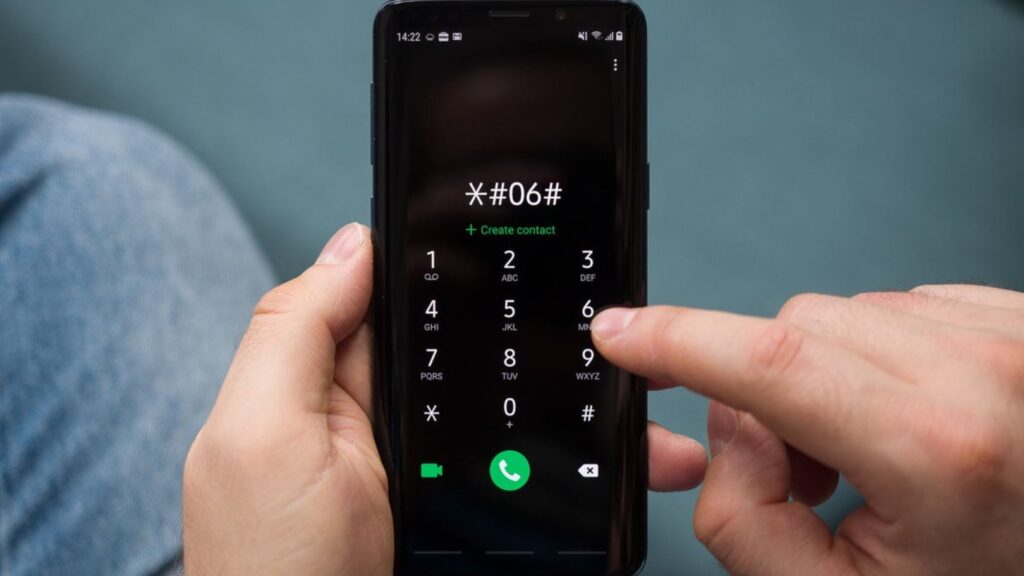
For now, there are no plans to block phones not in the database
But there’s a nuance here too. There’s talk of various tightening models — from partial restrictions to complete blocking of unregistered devices on cellular networks. The regulatory parameters could change significantly by the second reading. So the topic of whether Russia will disconnect smartphones that aren’t in the IMEI database is too early to close for good — the final version of the law simply doesn’t exist yet.
When Will the IMEI Database Appear in Russia
There’s no need to rush to conclusions. The bill has only passed its first reading in the State Duma, and its final version has not yet been formed. At the same time, IMEI databases in other countries (Kazakhstan, Uzbekistan, Turkey), after the law is adopted, usually include a transition period with free registration.
For now, the main takeaway is this: the cancellation of the IMEI database registration fee is an unquestionable plus for all of us, because it was precisely this fee that threatened to add several hundred extra rubles to the price tag of every new smartphone. But the database itself will still be finalized, and its final configuration will determine the most important aspects. For now, you can breathe easy and calmly use your iPhone or Android smartphone — you won’t need to change anything in the foreseeable future.