Starting May 27, it will no longer be possible to import computers and components from a whole list of brands into Russia without the rights holder’s consent. Against this backdrop, laptop prices in Russia continue to rise. The Ministry of Industry and Trade continues to consistently narrow the list of goods permitted for parallel import. This time, computers and components from two dozen well-known brands have been cut. Let’s figure out what parallel import actually is, why exclusion from it is serious, and what all of this means for ordinary buyers.

The list of goods for parallel import in Russia is changing very significantly
What Is Parallel Import and Why Is It Needed
Parallel import is the legal importation of original products from foreign brands into Russia without the rights holder’s permission. We’re talking specifically about original products, not counterfeits. The goods are genuine, pass through customs with all documentation and taxes. The manufacturer simply didn’t give explicit consent for this.
Before spring 2022, such imports were considered a violation of trademark rights. But when Western companies began massively leaving Russia and suspending deliveries, the government legalized parallel imports for certain categories of goods. This helped avoid shortages of electronics, clothing, auto parts, and much more. Thanks to this mechanism, iPhones, Samsung laptops, graphics cards, and other electronics remained on store shelves.
The Ministry of Industry and Trade compiled a special list — essentially a large catalog of goods and brands that can be imported without the manufacturer’s permission. This list is regularly updated. Some items are added, while others are removed. And that brings us to the main point.
Brands Removed from the Parallel Import List
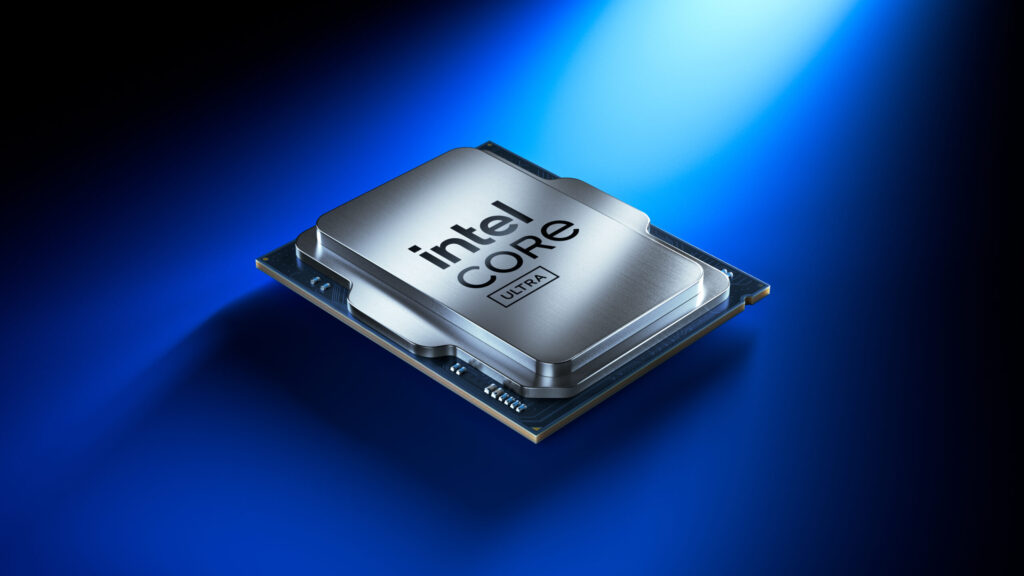
Even Intel processors got hit. Time to go AMD
Starting May 27, 2026, computers and storage devices from the following brands are being removed from the parallel import list:
- Acer — laptops and desktop PCs
- ASUS — laptops, PCs, components
- Hewlett Packard (HP) — laptops, computers, servers
- HPE — server equipment
- Intel — processors, SSDs, storage drives
- Samsung — SSDs, memory modules, storage drives
- Kingston — RAM, SSDs
- Toshiba — hard drives, storage drives
- IBM — servers and enterprise equipment
- Cisco — network and server equipment
- Fujitsu — computers, servers
- Hitachi — storage drives, server equipment
- ADATA, AIC, Apacer, Hynix, Inspur, SanDisk, Transcend, xFusion — memory, SSDs, components
The affected goods fall under EAEU HS codes 8471 49 000 0 (computing machines and PCs) and 8471 70 (storage devices). This means the restrictions don’t cover all products from these companies, but specific categories: desktop computers, laptops, servers, data storage systems, SSD drives, and RAM modules.
What Happens When a Product Is Excluded from Parallel Import
Many people confuse exclusion from parallel import with a complete ban on importation. That’s not the case. Let’s break it down. While a product is on the Ministry of Industry and Trade’s list, an importer can bring it in without the manufacturer’s permission. Bought it in the UAE, China, or Turkey — brought it to Russia, cleared customs, paid duties and VAT, sold it in a store. Completely legal.
When a product is removed from the list, the old rule returns: you need to obtain the rights holder’s consent for importation. If Acer, Samsung, or Intel officially authorize a specific distributor to supply their products to Russia — by all means, go ahead. But in the current geopolitical situation, the chances of such authorization are practically zero. Most Western manufacturers don’t operate in Russia directly and don’t grant import permissions.
The result is a paradoxical situation: formally, imports are not banned, but they effectively become impossible. It’s like a door that nobody locked — except the only key belongs to someone who has no intention of handing it over.
Another important point: already imported goods don’t become illegal. If a store brought in a batch of Kingston SSDs before May 27 — it can sell them without any issues. The ban is not retroactive. Restrictions only apply to new shipments.
What Are the Risks of Importing Tech Without Brand Authorization
Suppose an importer decides after May 27 to bring in a batch of ASUS laptops or Samsung SSDs without the rights holder’s consent. What are the consequences? First and foremost, customs will not clear such goods. When processing a declaration, customs officers cross-reference the HS code and brand against the Ministry’s list. If the product isn’t on the list and there’s no rights holder consent — the import will be blocked.
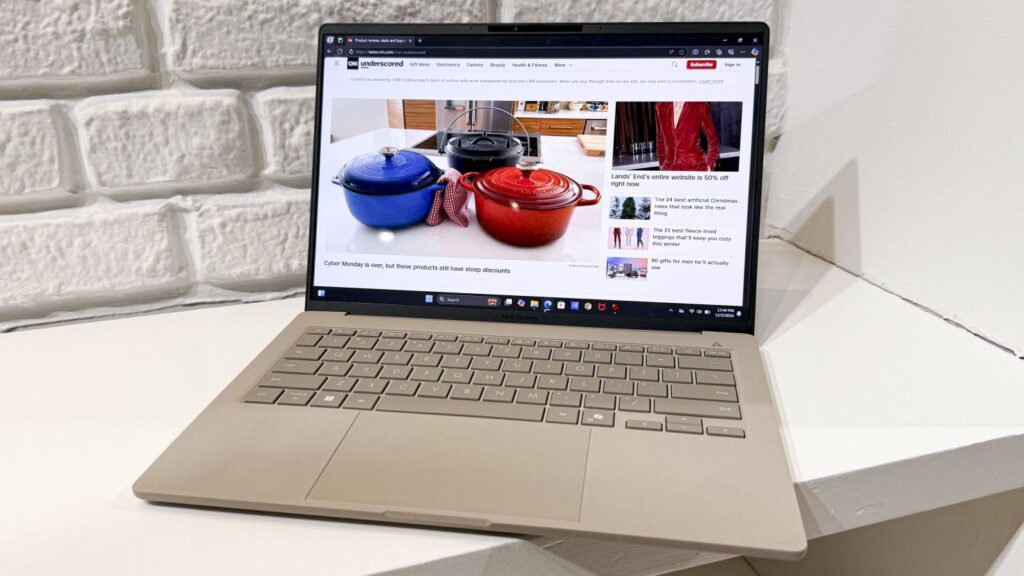
Maybe ASUS will now ship its ZenBooks to Russia itself? They’re decent computers
But even if the goods somehow make it past the border, the consequences will be serious. Russia follows the national principle of exhaustion of rights: importing goods bearing someone else’s trademark without the rights holder’s permission constitutes a violation of their exclusive rights. The rights holder can go to court and demand the seizure and destruction of the goods, as well as compensation of up to 5 million rubles per violation. This is regulated by Article 1515 of the Russian Civil Code.
There is, however, a nuance. For parallel imports of original goods (not counterfeit), administrative liability does not apply — this was clarified by the Supreme Arbitration Court. But civil liability remains in full effect. The rights holder can file a lawsuit and recover compensation, and the court can ban the sale of imported products. Simply put, it’s not worth the risk. No batch of laptops is worth a legal battle with a corporation the size of Intel or Samsung.
Why Is the Ministry of Industry and Trade Shrinking the Parallel Import List
The ministry’s official position sounds optimistic: Russian manufacturers are already producing equivalent products in sufficient volumes. The Ministry stated that excluding computers, laptops, storage drives, servers, and data storage systems from the list won’t affect product availability while simultaneously boosting demand for domestic electronics.
In practice, things aren’t quite so rosy. Russian brands like Aquarius, Yadro, iRU, and Kraftway do exist and produce electronics. But they still fall short of global giants in terms of specs and brand recognition. Buyers out of habit choose familiar brands — and that’s understandable.
Incidentally, it was Russian manufacturers who lobbied for these changes. Back in 2024, the “Computing Technology” consortium asked the Ministry to remove HP and Fujitsu products from the list. Companies Depo, Yadro, iRU, Element, and Aquarius advocated for the complete exclusion of laptops and tablets from parallel imports. Things haven’t gone that far yet — but the direction is clear.
Laptop and SSD Prices After May 27
Most likely, we should expect price increases for electronics. Here’s why. First, the reduction of supply channels inevitably leads to decreased competition in the market. Less supply — higher prices. This will especially affect server equipment, enterprise SSDs, and data storage systems, where finding replacements is hardest.
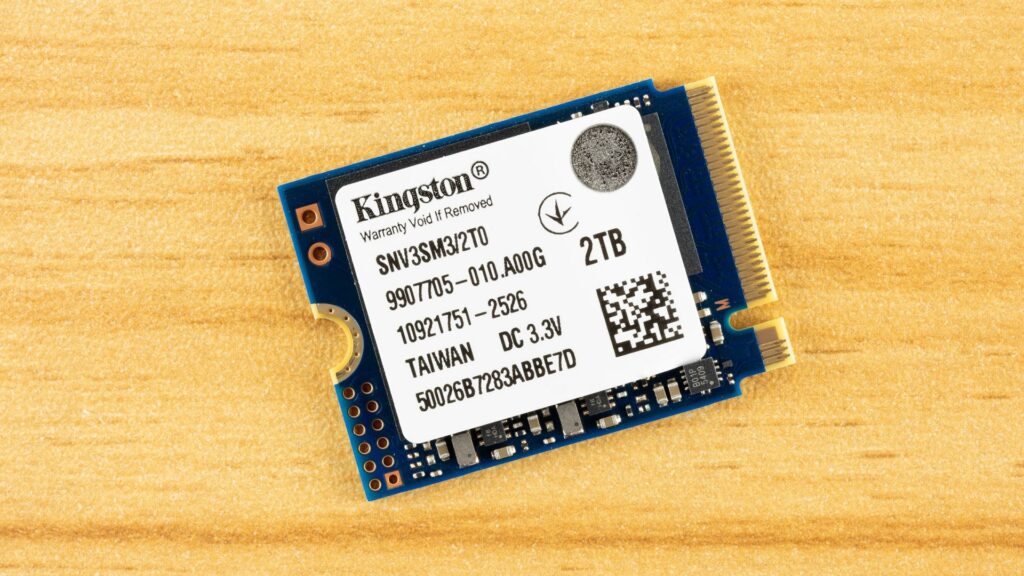
Computer and component prices are already creeping up, and now exclusion from parallel imports on top of that