Parent company OPPO is planning major changes across its product lineup. It has been revealed that OnePlus is shutting down in Europe and the USA. Meanwhile, Realme has announced a shift in its software strategy. Future smartphones from the company will ship with ColorOS 17, rather than the familiar realme UI shell. OnePlus is preparing a similar path, gradually moving away from OxygenOS. Let’s break down what will actually change for those already using these phones, and whether there’s any reason to worry.
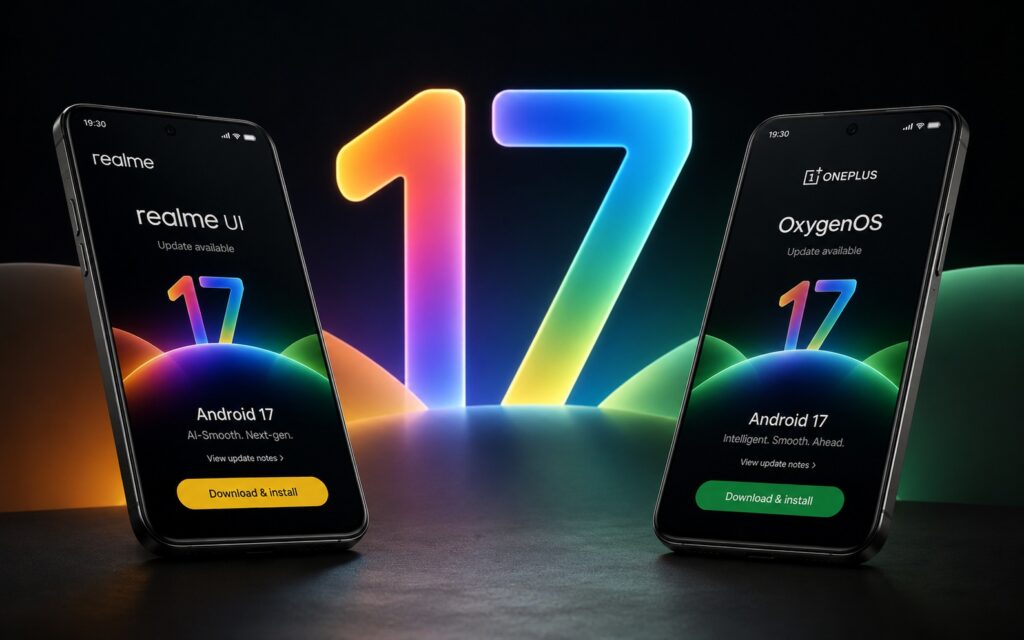
Smartphones will get new firmware instead of realme UI and OxygenOS
Realme’s Transition to ColorOS 17 — Where and When
For now, this concerns the Indian market, but the direction is clear. At a press meeting, the company announced the transition to ColorOS 17. The brand confirmed that future Realme smartphones will ship with ColorOS 17, and explained that this step is aimed at simplifying the update process.
The reason is pragmatic — cost savings and a shared foundation with OPPO. Earlier this month, reports emerged that realme UI would be merged with OPPO’s ColorOS to reduce development costs. This means three brands (OPPO, Realme, and OnePlus) are gradually converging their software onto a single platform.
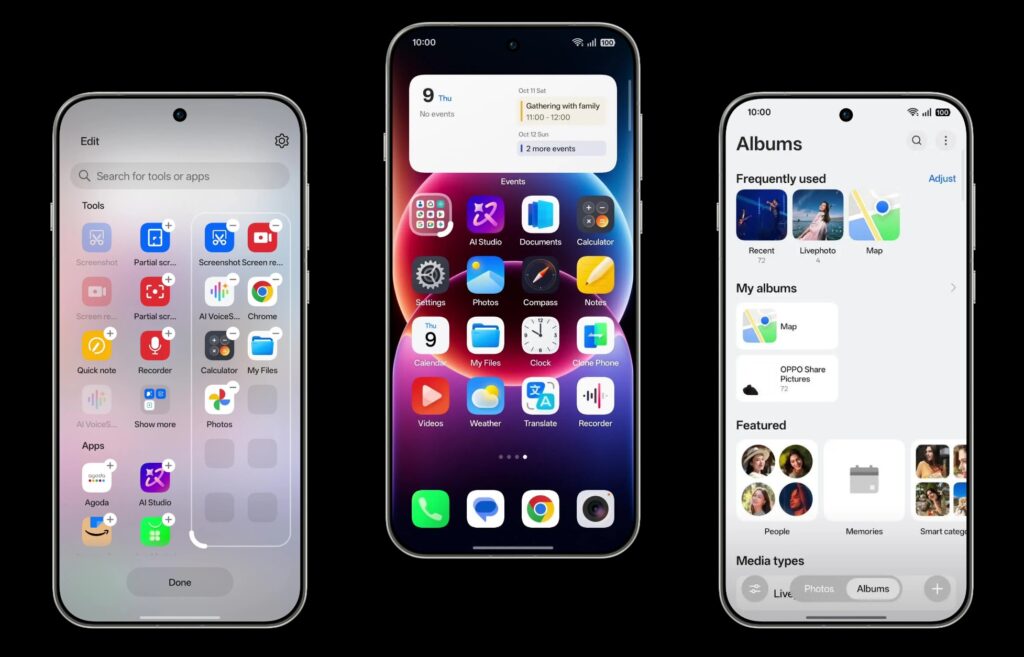
Smartphones will transition to the new ColorOS. Image: OPPO
For most users, the change is unlikely to feel drastic. realme UI already shares many design elements, features, and system apps with ColorOS. So it’s not really a complete overhaul of the familiar interface. Moreover, in a sense, this is a return to the roots. The first Realme smartphones ran on ColorOS, and the brand only introduced its own realme UI shell in 2020. So for the company, this isn’t a revolution — it’s more of a return to a common base.
What Will Happen with Realme Smartphones in 2026
The main question for owners is whether they’ll lose promised updates. The answer here is encouraging. Realme has confirmed that smartphones still within their support period will receive the update to ColorOS 17 as part of the already promised support program.
A telling example is the 2025 flagship. The Realme GT 8 Pro, which launched with realme UI 7 and a promise of four major Android updates, will transition to ColorOS 17 before receiving the next system versions. This means the counter for promised updates doesn’t reset — the next major version will simply arrive under a different name. An important note about geography: the confirmation of the transition to ColorOS from Realme India applies only to India, although other markets will likely follow. There has been no official announcement for other regions, including the Russian market.
What Firmware Will OnePlus Use
Realme isn’t alone here. The announcement followed OnePlus’s recent confirmation that eligible smartphones will also receive an optional update to ColorOS 17 after its official release. The key word here is optional.

OnePlus smartphones will also run on ColorOS
OnePlus promises not to force users into the new shell. Owners will be able to decide for themselves whether to switch from OxygenOS to ColorOS, and those who do switch will have the option to roll back to OxygenOS later.
Should Realme and OnePlus Owners Be Worried
In short — there’s no reason to panic, but don’t expect much excitement from this news either. The practical difference for the average user is minimal: the interfaces were already similar, and no one is taking away promised updates. What’s changing is primarily the name of the shell, not how the phone works.
Those who should follow this topic more closely are OxygenOS fans who valued it specifically for its differences from ColorOS. For them, the rollback option promised by OnePlus is important. Realme owners in Russia and other countries outside India should wait for official announcements: the transition has been confirmed only for the Indian market so far, and it would be premature to assume the same for other regions without confirmation.