OnePlus is officially saying goodbye to its proprietary shell. OxygenOS is being shut down, and its place on all current smartphones and tablets will be taken by ColorOS 17, which will completely change the device interface. The update will be tied to the release of Android 17, and the company itself is winding down operations in most regions of the world. Let’s break down who this affects and which OnePlus devices will get ColorOS 17.
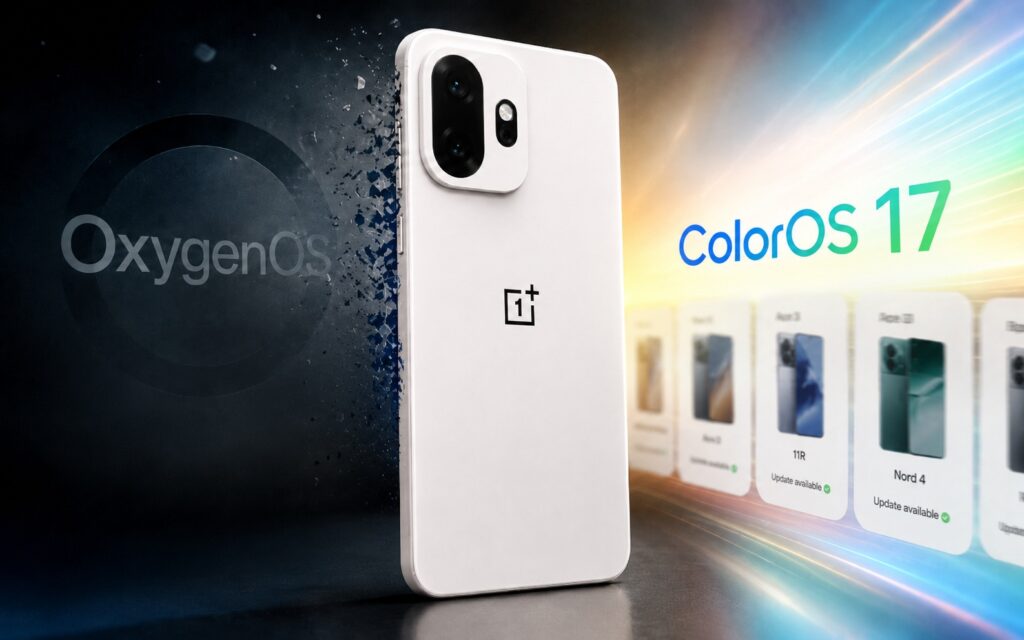
These OnePlus smartphones will lose OxygenOS and receive ColorOS 17
Why OxygenOS Is Being Replaced with ColorOS 17
OnePlus has confirmed a major restructuring in which the proprietary OxygenOS platform is being fully retired. Chinese brands OnePlus and Realme announced the transition to Oppo’s ColorOS operating system, replacing OxygenOS and Realme UI respectively, and this shift will begin with the Android 17 update.
At the same time, the manufacturer assures that support will not be discontinued. All new and existing devices eligible for Android 17 will transition to ColorOS 17, while devices that won’t receive Android 17 will continue to receive support on OxygenOS. In other words, older models without the update to the new Android version won’t be abandoned — they’ll simply remain on the previous shell.
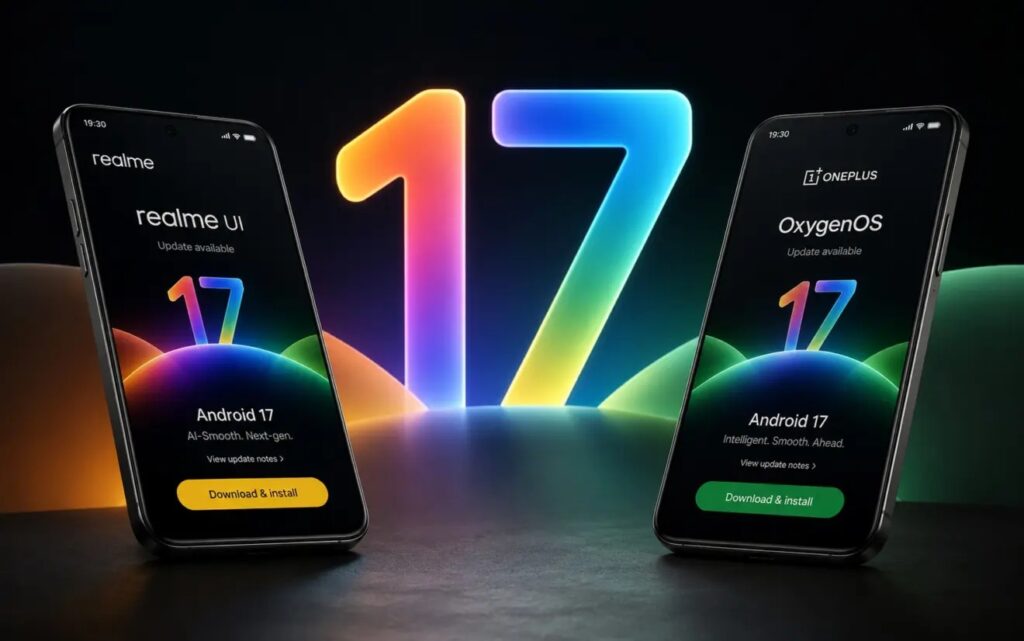
A similar transition awaits Realme smartphones
An important point: the update is voluntary, not mandatory. According to OnePlus, after the official release of ColorOS 17, users with existing devices that fall within the update scope will have the option to voluntarily switch to the new ColorOS. Moreover, users who do update will be able to roll back to OxygenOS, and the company promises to announce details of the rollback process later.
List of OnePlus Devices That Will Get ColorOS 17
There is no official list in the forum post — the list is compiled based on the current update policy for each model. Therefore, treat it as a guide rather than a final document from OnePlus. Current flagships, mid-range devices, and tablets are as follows.
Flagship smartphones:
- OnePlus Open;
- OnePlus 15;
- OnePlus 15R;
- OnePlus 13;
- OnePlus 13R;
- OnePlus 13s;
- OnePlus 13T;
- OnePlus 12;
- OnePlus 12R;
- OnePlus 11.
Mid-range smartphones:
- OnePlus N6;
- OnePlus Nord 6;
- OnePlus Nord CE 6;
- OnePlus Nord CE 6 Lite;
- OnePlus Nord 5;
- OnePlus Nord CE 5;
- OnePlus Nord 4.
Tablets:
- OnePlus Pad 4;
- OnePlus Pad 3;
- OnePlus Pad 2;
- OnePlus Pad Lite;
- OnePlus Pad Go 2.
What’s New in ColorOS 17 After OxygenOS
It’s important not to panic here. For most OnePlus owners in recent years, the difference will be minimal because the two shells have long been running on a shared foundation. By early 2026, both operating systems had converged on a single universal ColorOS codebase.
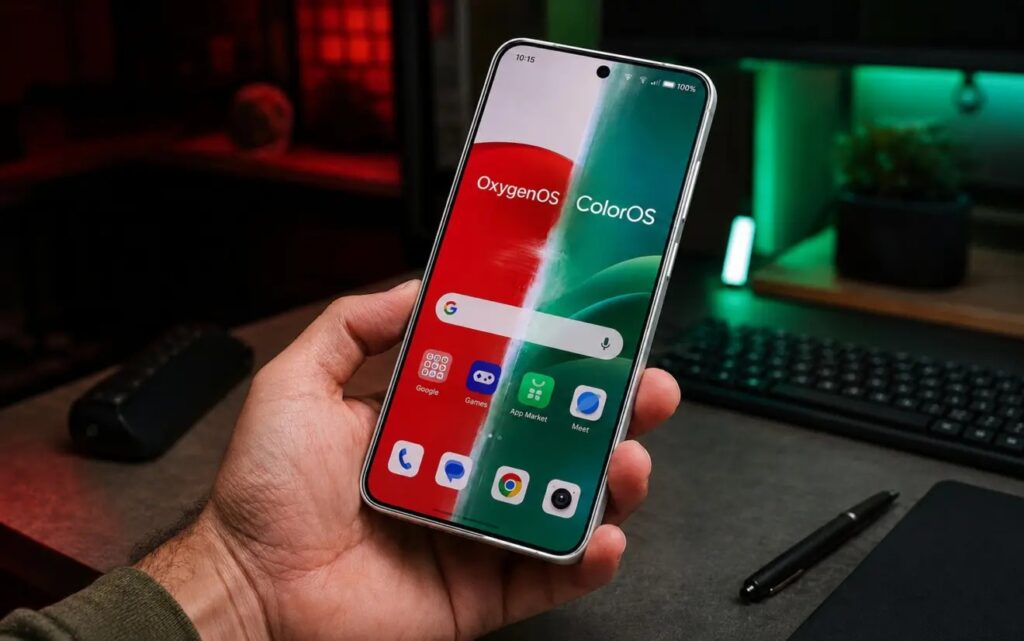
The transition will be mostly cosmetic
This means that many features that may be presented as ColorOS novelties were actually already available before. The structural issue is that most of these capabilities were available even before the rebrand: since OxygenOS and ColorOS have shared a common backend since early 2026, users on OxygenOS 16 already had access to Trinity Engine, O+ Connect, Zen Space, and AI features.
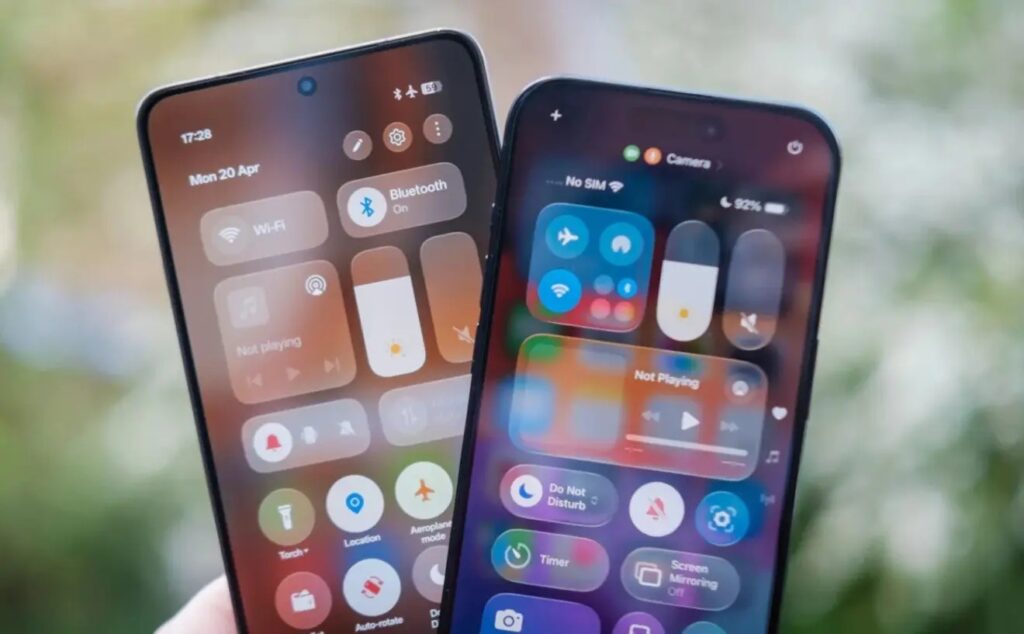
The shells will differ visually, but the features are almost the same. Image: androidauthority.com
Something useful for those who have tech from different brands at home: O+ Connect allows direct file sharing between OnePlus and Apple devices with a tap, as well as wireless screen mirroring to Mac and Windows PCs, while the OHealth app syncs with Apple Watch, including call handling. However, these are more pleasant details than a reason to rush into updating.
Should You Update to ColorOS 17
There’s no need to rush. There’s no exact rollout date yet, and the update itself is voluntary, so calmly wait for the official ColorOS 17 release and the first reviews from owners. If you use Apple tech or other OnePlus devices, the new connectivity features might prove convenient. If you value the minimalism of OxygenOS, you’ll still have the option to roll back.
And honestly: the impact for most users will be small. The significance of the transition depends entirely on why you bought a OnePlus in the first place: for those who chose the device because of the software, it’s noticeable, but for everyone else, it won’t make much of a difference.