Despite the fact that the iconic flagship OnePlus 15 continues to sell in huge volumes, OnePlus is officially shutting down in Europe and North America. The company announced this in its community, explaining the decision as a “global strategy restructuring.” For those who already own a OnePlus smartphone, nothing terrible is happening for now, but there will be one important change. Below we’ll break down what exactly is closing, what will happen with updates and support, and why the brand’s fate in some regions remains unclear.
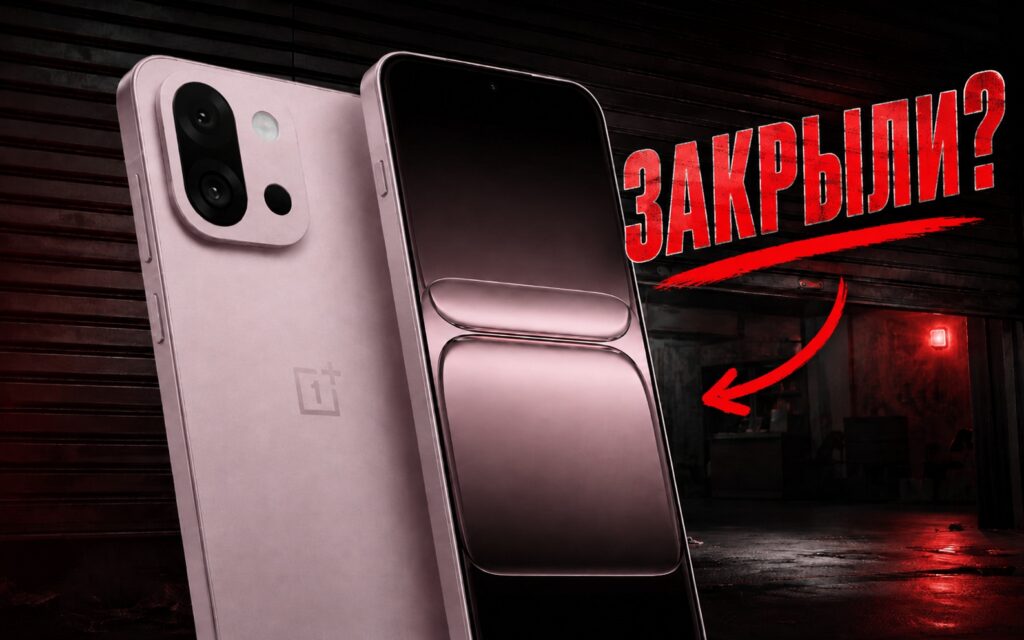
OnePlus itself announced the shutdown
Where OnePlus Smartphones Will No Longer Be Available
The company confirmed that it is ceasing the release of new products in these regions. As OnePlus itself explains, this specifically concerns the end of launching new devices in European and North American markets — meaning the winding down of operations in these regions going forward.
The official OnePlus store has already posted a notice for customers, while devices like the OnePlus 15 remain on sale for now.
It’s logical to assume that available models will soon sell out and there will be no new shipments. So if you want to buy a OnePlus 15 or other devices from the brand, you should hurry.
What Will Replace OnePlus in Europe and the US
In Europe, the vacated niche will be filled by OPPO — the parent brand within the same group. In the US, however, there is no replacement: OPPO is also effectively leaving the American market along with this decision, where OnePlus’s place will be taken by Nothing.
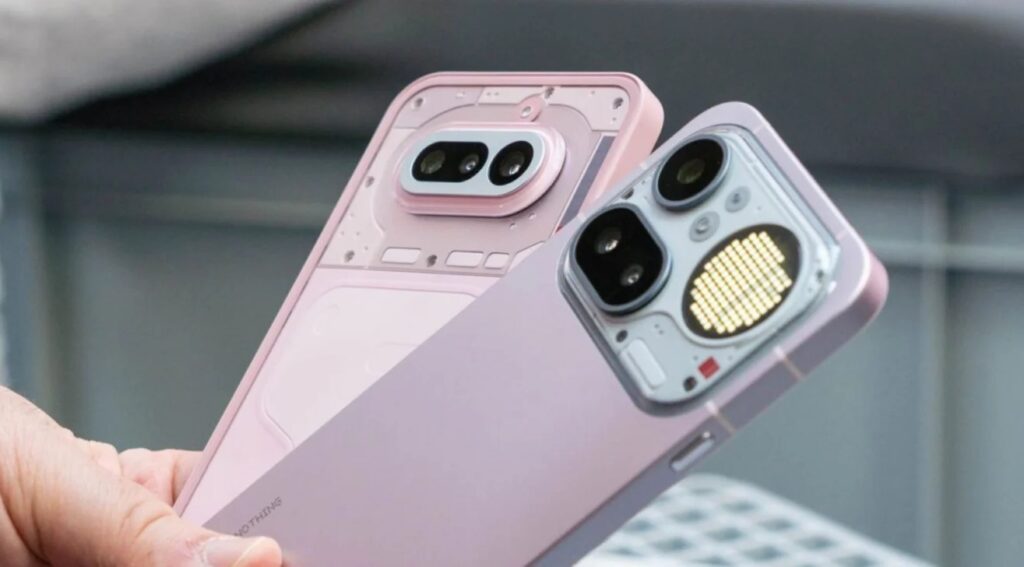
In the US, Nothing will replace OnePlus
For buyers in the US, this means fewer choices among relatively affordable flagships. In Europe, the situation is softer — at least formally, OPPO will continue the lineup, although it’s a different brand with its own devices and pricing.
OnePlus Updates — Will They Still Come?
This is the main question for current owners, and the news here is relatively reassuring. OnePlus states that software support will not stop: system and security updates will continue to roll out as previously promised. Warranty and repair services are also being maintained.
There is, however, one notable change. Starting with Android 17, devices will be switched from OxygenOS to ColorOS — that is, from OnePlus’s proprietary shell to Oppo’s shell. Simply put, the interface and some system logic will change with the next major update.
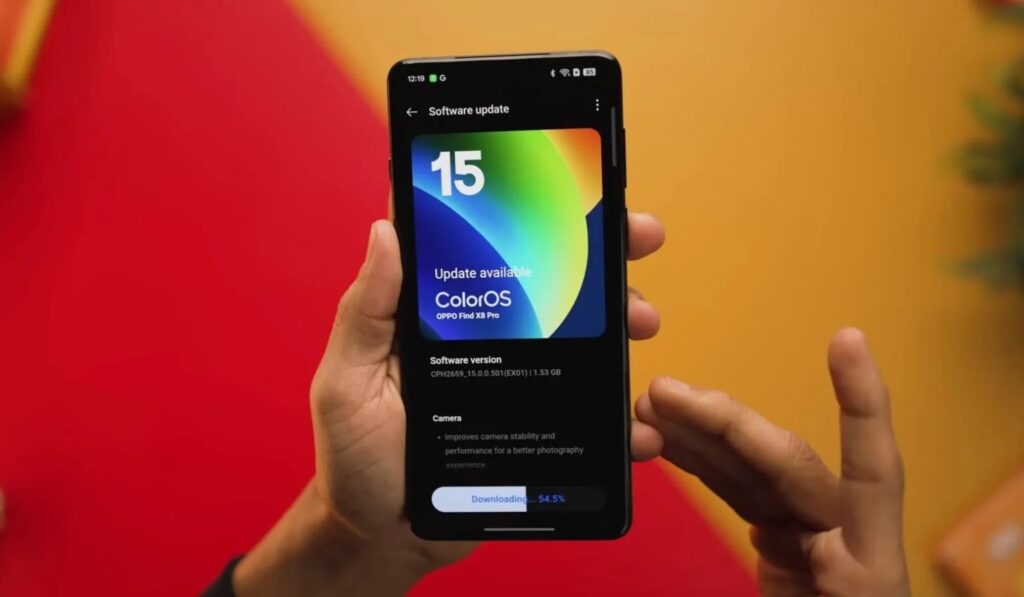
Now OnePlus smartphones will run on ColorOS. Image: mobiscrub
How critical this is depends on personal preference. OxygenOS in recent years hasn’t differed much from ColorOS anyway, so for most users the transition won’t be catastrophic. If you’re already using a OnePlus smartphone, everything continues as usual for now — the only change is that the next major update will be a farewell to OxygenOS.
OnePlus’s Fate in Russia
The situation with our country is ambiguous. OnePlus came to Russia recently and not as part of its EU expansion. That is, formally our division is independent and operates autonomously.
The brand’s local office neither confirms nor denies information about its departure, leaving everyone guessing. It’s possible that OnePlus’s withdrawal from Russia may happen in the future, but nothing can be said for certain at this point. So we continue to follow the news.
Should You Buy a OnePlus Smartphone Now?
In short — you can, but with caution and realistic expectations. Formally, updates and warranty are promised, meaning a smartphone purchased now won’t turn into a brick. But buyers should understand several things:
- there will be no new devices from the brand in the US and Europe, and current models will eventually sell out;
- the familiar OxygenOS shell will disappear as early as Android 17, giving way to ColorOS;
- in the US, Oppo is also effectively leaving, meaning there will be no related alternative there;
- regarding India, official statements and source reports diverge, which is also a signal not to rush to conclusions.
For those who care about the price of a specific model right here and now, you should hurry, as the OnePlus 15 continues to remain a bestseller.
But for those who value OxygenOS specifically and long-term brand predictability, this is a bad moment. The firmware will cease to exist, and while the future of further updates has been confirmed, it’s unclear in what format.