Having discontinued support for the Nothing Phone (1) a week earlier, the eponymous British company has unveiled the new Nothing Phone (4b) — the first smartphone in the new budget b-series in the lower price segment. On paper, it’s yet another affordable device from the brand, but upon closer inspection, the newcomer turns out to be controversial: some specs were improved, while others were noticeably cut, all at a price higher than the previous budget model. Below, we’ll break down what has actually changed and who this phone is for.
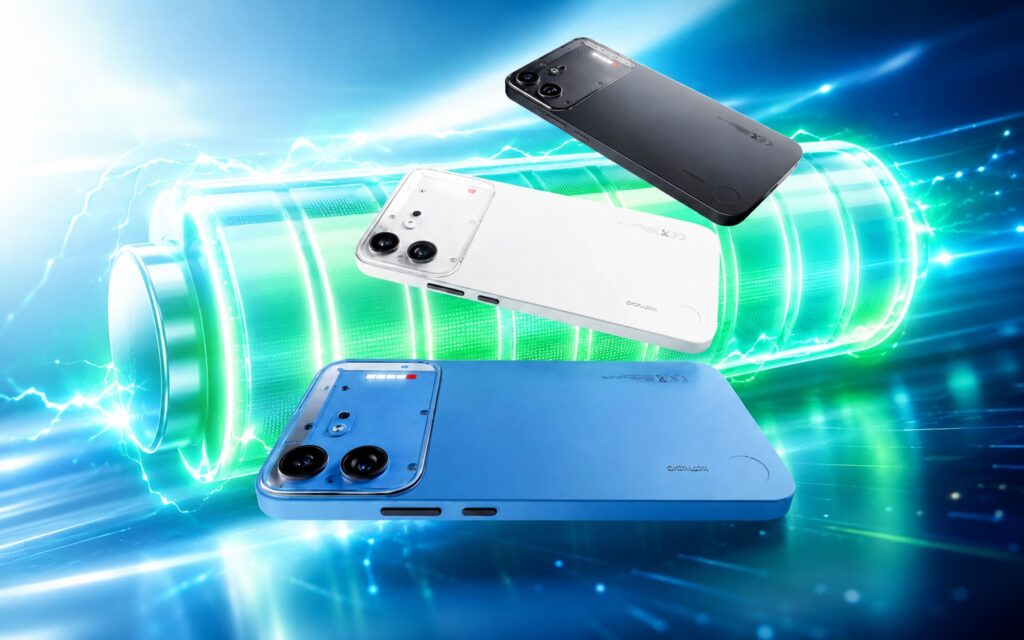
Nothing now has a smartphone with a truly large battery
How Nothing Phone (4b) Differs from Phone (3a) Lite
The newcomer largely mirrors the previous Nothing budget phone, but surpasses it in some areas while falling behind in others. This is a case where “newer” doesn’t necessarily mean “definitively better.”
The camera situation is ambiguous: the main sensor size was reduced from 1/1.57″ to 1/2.76″, but optical image stabilization (OIS) was added — it helps capture sharper shots without blur, especially in the dark. In other words, the matrix became smaller and captures less light, but stabilization partially compensates for this.
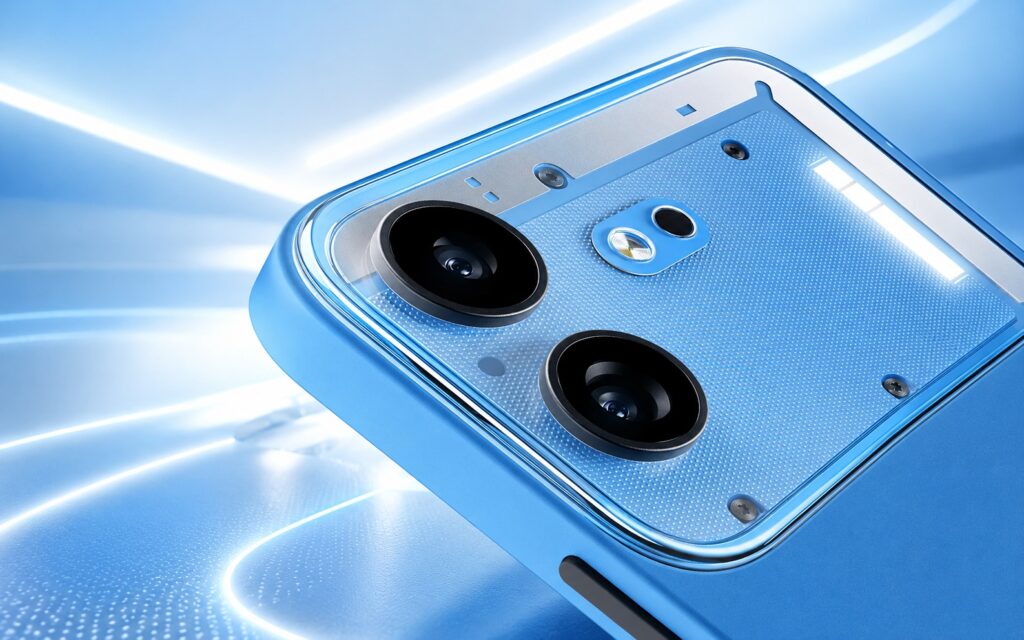
The smartphone’s camera is as simple as it gets
The processor was also changed: instead of the MediaTek Dimensity 7300 Pro, they installed the Snapdragon 6 Gen 4 on the same 4-nanometer process. You shouldn’t expect a performance boost from this swap, although the company promises gaming at up to 120 frames per second.
Other Nothing Phone (4b) Specifications
The display is precisely the area where the steps backward are most noticeable. The 6.77-inch display became less bright, lost 10-bit color reproduction, and the backlight flickering frequency (PWM) dropped from 2160 to 480 Hz. In practice, a higher flickering frequency is easier on the eyes at low brightness, so this parameter was downgraded.
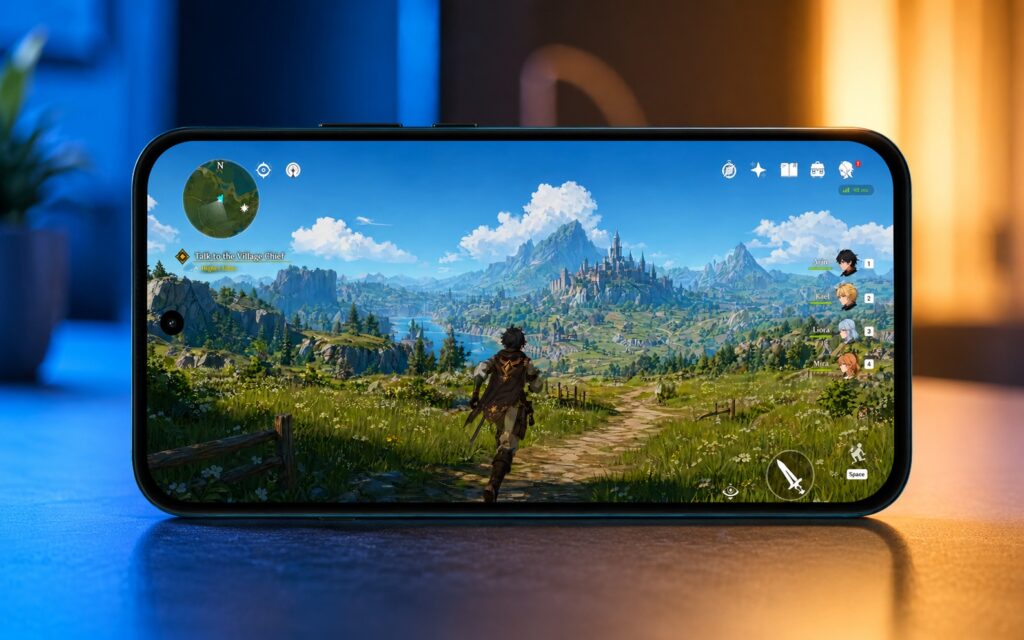
The smartphone’s screen with wide bezels
Another unpleasant cut — the microSD card slot was removed. Expanding storage is no longer possible, and the base version comes with 128 GB. The 256 GB variant is only available in India, so in other countries there’s effectively no choice in storage.
On the plus side, stereo speakers replaced the single speaker, and dust/water resistance nominally improved from IP54 to IP64. The difference between these standards in practice is small: both protect against splashes and dust but aren’t designed for water submersion. Out of the box, the smartphone runs on Android 16 with the Nothing OS 4.1 skin. The company promises 3 years of Android updates and 6 years of security patches — a decent support period for a budget phone, though not record-breaking.
The Nothing Smartphone with the Largest Battery
There’s a catch here worth paying attention to. Nothing loudly claims a record-breaking 6000 mAh battery for the brand, but only the Indian market will get this capacity. In all other countries, including versions that may reach Russia, it comes with a less impressive 5200 mAh.
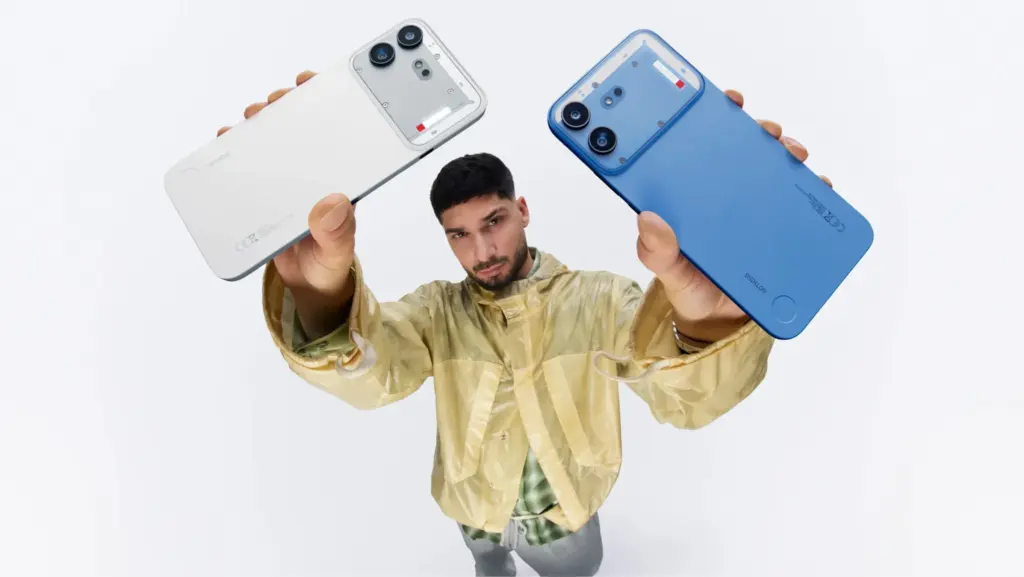
Nothing’s large battery comes with a caveat. Image: Nothing
Wired charging is 33W, plus there’s reverse charging at 7.5W, which can top up earbuds or a fitness band. The USB-C port operates on the slow USB 2.0 data transfer standard, so quickly transferring a large archive from the phone to a computer via cable won’t be possible.
Nothing Phone (4b) Price and Whether It’s Worth Buying
The main complaint is the price. The 8/128 GB version costs 329 euros (approximately 29,500 rubles in Russia), which is much more expensive than the Phone (3a) Lite.
This creates a strange picture: the price went up, while a number of specs got weaker. You’re paying more for a phone that in terms of camera and display is in some ways inferior to older models from the brand. What’s more, the new Nothing Phone (4b), which is inferior in every way to the flagship Nothing Phone (3), costs roughly the same.
Sales start on July 17 in three main colors — white, black, and blue. The red version will remain an India exclusive. The Phone (4b) may suit those who value the recognizable Nothing design, clean software, and long-term update support, while not chasing after the best camera and brightest display. However, you should pass if the following are critical to you:
- microSD card slot (there isn’t one here);
- maximum 6000 mAh battery (it’s India-only);
- bright display with comfortable flickering (these parameters took a step back);
- noticeable performance boost (the new chip doesn’t deliver one).
If you already use a Nothing smartphone, there’s no reason to rush for an upgrade: by key parameters, this isn’t an upgrade but overpaying for a newer model. For those choosing a budget phone for the first time, it makes sense to compare the (4b) with competitors at the same price — for 329 euros, there are plenty of options on the market with stronger cameras and displays.