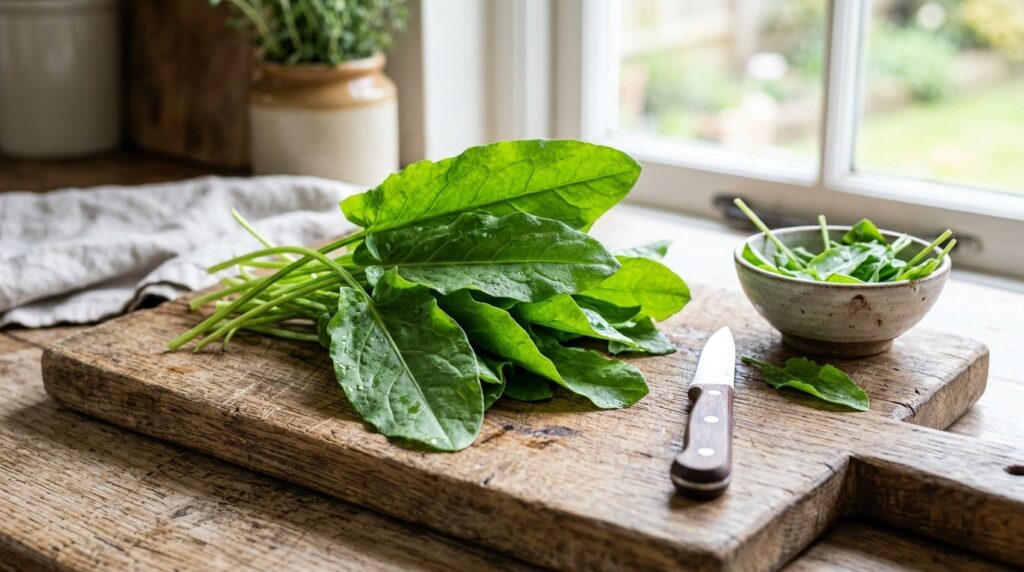
Sorrel is considered one of the earliest types of greens, and it contains many beneficial substances
Every spring, when the body particularly needs vitamins, sorrel is one of the first plants to appear in the garden. This undemanding green contains more vitamin C than spinach and even lemon, and in terms of its microelement content, it can easily outperform many superfoods from trendy lists. Let’s take a closer look at exactly how sorrel benefits the human body and how to properly include it in your diet.
What Sorrel Contains and Why It’s Beneficial
Specialists from Rospotrebnadzor say that sorrel is a low-calorie product, containing only 21 kcal per 100 grams. But behind this modest energy value lies an impressive set of beneficial substances.
B vitamins in sorrel are represented especially generously — among vegetables, it is one of the leaders in their content. These vitamins support the nervous system, improve memory and attention, while B1 and B2 are responsible for normal metabolism of proteins, fats, and carbohydrates.
Beta-carotene, a precursor of vitamin A, is essential for skin and eye health. One hundred grams of fresh sorrel contains approximately half of the recommended daily intake of this substance.
Vitamin C strengthens the immune system and helps lower levels of “bad” cholesterol. In 100 grams of sorrel, there is more than half of the daily norm recommended by the WHO.
In addition to vitamins, sorrel contains a whole set of important minerals:
- Potassium — regulates water-salt balance and muscle function, including the heart;
- Magnesium — supports the nervous system, bone density, and helps with muscle cramps;
- Calcium — essential for bones and teeth at any age;
- Iron — participates in the synthesis of red blood cells and DNA;
- Phosphorus — helps absorb nutrients, needed for bone growth;
- Sodium — maintains water-salt balance in cells and kidney function.
The composition also includes organic acids, flavonoids, tannins, fiber, and essential oils. For early spring greens, this is quite an impressive set.
Benefits of Sorrel for Women
For women, sorrel is particularly valuable as a source of iron. Those who regularly include it in their diet along with other iron-rich foods can maintain normal hemoglobin levels and reduce the risk of developing anemia — a problem that women face significantly more often than men.
Fiber in sorrel helps the digestive system function properly, and its rich set of vitamins and minerals supports the health of skin, hair, and nails.
Thanks to its low calorie content, soups and salads with sorrel are an excellent choice for those watching their figure. For pregnant women, sorrel is also valuable because it contains folic acid, which is essential for normal fetal development.

Sorrel salad — a light dish that helps maintain vitamin balance
Benefits of Sorrel for Men
Men should also include sorrel in their menu. It is believed to improve blood circulation in the prostate gland and reduce the risk of urogenital system diseases.
Another important aspect is its high potassium and magnesium content. These microelements support the cardiovascular system, and heart and vascular diseases remain one of the leading causes of death among men. Sorrel is certainly not a medicine, but as part of a balanced diet, it contributes to prevention.
Can Children Eat Sorrel
Yes, but with some caveats. Sorrel can be introduced into a child’s diet after the age of three. It will enrich the child’s menu with vitamins and microelements needed for growth and development, and will also help strengthen the immune system — which is especially relevant for children who frequently get sick.
However, due to its high acid content, sorrel should be given to a child no more than twice a week. A good idea is to combine it with fermented dairy products, such as sour cream. Dairy products help neutralize excess acidity and make the dish gentler on a child’s stomach.
How Often Can You Eat Sorrel and What to Pair It With
The optimal frequency is two to three times a week. Sorrel contains oxalic acid, and excessive consumption can put strain on the kidneys and stomach.
To reduce acidity, nutritionists recommend pairing sorrel with fermented dairy products:
- Sour cream — a classic addition to sorrel soup;
- Natural yogurt — works well for salads;
- Kefir — can be served separately alongside the dish.
Sorrel soup is one of the most popular dishes made with this green, and sour cream in it serves not only a flavor purpose but also a practical one. Calcium from dairy products binds some of the oxalic acid and prevents it from harming the body.

Sorrel soup with sour cream — a classic seasonal dish
Who Should Avoid Sorrel
Despite all its benefits, sorrel is not suitable for everyone. Oxalic acid can increase stomach acidity, irritate the pancreatic mucosa, and in some cases provoke the formation of stones.
Sorrel is not recommended for the following conditions:
- Kidney stone disease;
- Gout;
- Salt metabolism disorders;
- Inflammatory diseases of the kidneys and intestines;
- Gastritis with high acidity;
- Stomach and duodenal ulcers.
If you have any of the listed conditions, you should consult a doctor before adding sorrel to your diet.
Sorrel is a simple and accessible green that, in terms of its vitamin content, can quite easily compete with heavily marketed superfoods. The main rule is moderation. Two to three times a week, with sour cream or yogurt, in soup or salad, and your body will receive a noticeable dose of vitamins, minerals, and fiber without extra calories. However, making sorrel the basis of your daily menu is not advisable: oxalic acid in large quantities can indeed be harmful.