A recent industry report warns that the iPhone 18 Pro could be in short supply at launch, with a DRAM shortage reportedly stalling final assembly of Apple’s new flagship. According to the report, TSMC has already manufactured A20 Pro processors — Apple’s first chip built on the 2nm N2 process — but the finished dies are sitting in warehouses waiting for memory modules needed to complete packaging using the new WMCM (Wafer-Level Multi-Chip Module) technology. The source cites data from Culpium indicating that roughly $1 billion worth of Apple processors have accumulated at TSMC, all idle due to insufficient DRAM supply.
What you need to know
- The A20 Pro chip (TSMC 2nm N2) is reportedly in healthy production, but DRAM shortages are blocking final module packaging.
- According to Culpium, approximately $1 billion in Apple processor inventory is waiting for memory at TSMC.
- Apple is reportedly launching only three iPhones this fall — iPhone 18 Pro, Pro Max, and Ultra — with the base iPhone 18 delayed to early 2027.
- Apple and its assemblers say they expect to meet initial demand, but the report notes concerns about extended delivery times and limited retail stock.

This shortage scenario is considered plausible by industry observers
Why DRAM is the bottleneck
The A20 Pro processor itself is reportedly not the problem. Mass production of the 2nm chip began earlier this year, and according to the source, yields and volumes are on track. The issue arises at the packaging stage, where the finished processor must be combined with DRAM into a single module using Apple’s new WMCM approach. Without sufficient memory chips, the wafers simply cannot move further down the production line.
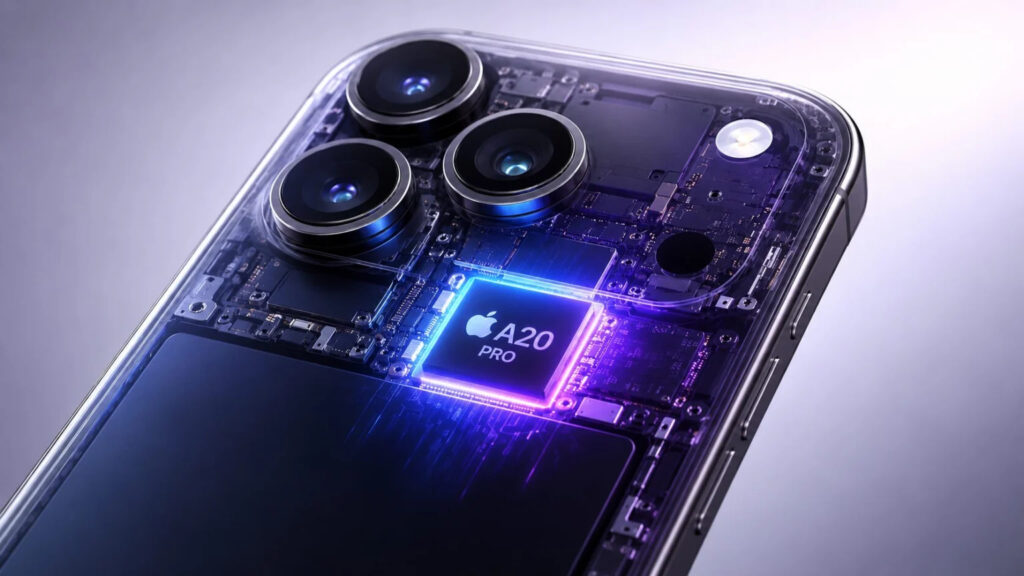
The processor is reportedly not the issue — memory supply is
The underlying cause, according to the report, is industry-wide demand for DRAM. AI server infrastructure is consuming enormous quantities of memory, and manufacturers are reportedly prioritizing higher-paying customers. Even Apple, with its massive purchasing power, is apparently not immune to these allocation pressures.
A smaller lineup could intensify demand
Compounding the supply issue is an unusual change to Apple’s fall lineup. According to the source, Apple will reportedly unveil only three new iPhones this September instead of the usual four: the iPhone 18 Pro, iPhone 18 Pro Max, and iPhone Ultra. The standard iPhone 18 has reportedly been pushed back to early 2027, and no iPhone Air 2 is expected this fall either.
This means buyers looking for a new iPhone this autumn will have limited choices. The Ultra is expected to carry a premium price that will deter many, potentially funneling the bulk of demand toward the Pro and Pro Max models — precisely the devices affected by the memory shortage.
Launch-day shortages are not unprecedented for Apple. The iPhone X famously had extended delivery times that stretched for weeks due to display production challenges. The difference this time, the source notes, is that the bottleneck is a more fundamental component: memory.
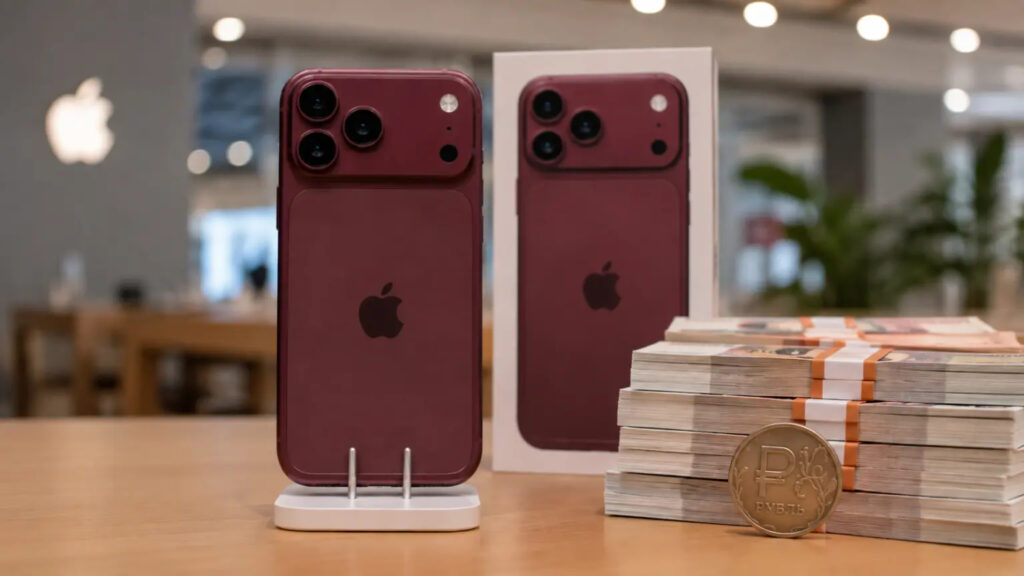
Supply constraints could push launch-window pricing higher than usual
Important caveats
It is worth emphasizing that this information comes from an industry report, not from Apple itself. The source notes that Apple and its assembly partners have stated they expect to fulfill initial demand without major problems. However, the same parties have reportedly expressed concern about growing online order delivery times and thinning retail inventory — signals that do not entirely align with those reassurances.
If the shortage materializes, buyers who want an iPhone 18 Pro at launch may need to place pre-orders as quickly as possible once they open. Those who are not in a rush, particularly current iPhone 17 Pro owners, may find it worthwhile to wait until supply stabilizes and any launch-window price premiums subside.
None of this is confirmed by Apple, and the situation could change before the expected September announcement. As with all pre-launch reports, these claims should be treated as unverified until official details emerge.