The news that many have been anxiously awaiting has finally been formalized into law. The State Duma passed in its second and third readings a document on a unified IMEI database, and now this is no longer rumors but a reality worth paying attention to. The main question everyone has is: what will happen to devices ordered from abroad or from AliExpress? Let’s break down how smartphone registration in Russia will work.
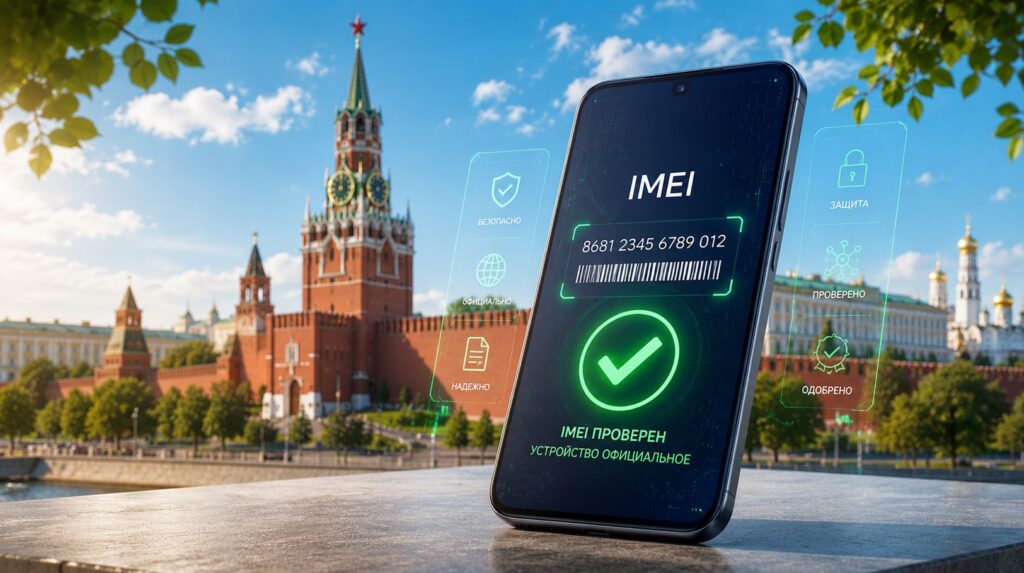
Russia has passed a law on a unified IMEI database
How the Unified IMEI Database Will Work
In short, an IMEI is a unique 15-digit device passport assigned to every smartphone at the factory. The essence of the new law is that all these numbers will be consolidated into a unified IMEI database in Russia, and the government will separately prescribe the rules for how it operates.
The concern is that smartphones not registered could simply be blocked. But is that really the case?
Carriers will gain access to the database and will only be able to serve devices whose identifiers are registered in it. An illegally imported or stolen device risks ending up on the smartphone blacklist and losing access to communication networks. Additionally, SIM-to-IMEI binding will be introduced: the carrier will record which device your SIM card is linked to.
Will Unregistered Smartphones Be Blocked in Russia?
This is what concerns owners of foreign devices the most. I’m happy to reassure you: the Ministry of Digital Development has directly stated that gray market smartphones for personal use are not targeted. According to Deputy Head of the Ministry Ivan Lebedev, an ordinary buyer will be able to register their device without issues, and the SIM card will work in Russia without restrictions.
The IMEI database will not affect law-abiding citizens who simply purchase devices for personal use. Such smartphones can easily be registered and used with a SIM card without any service restrictions.
So the measure is aimed at resellers and stolen devices, not at you. However, the final parameters will still be drafted by the government in subordinate regulations, so it’s too early to definitively close the question of whether unregistered smartphones will be disabled. It’s still worth keeping an eye on whether smartphones will be blocked, as blocking measures in Russia have not been uncommon lately.
Will Smartphones Become More Expensive Due to the IMEI Database?
Here, things are not as rosy as with the blocking issue. The main goal of the database is to clean up the market, since the share of gray market trade in certain categories — for example, Apple products — can reach up to half of all sales. When gray channels are shut down, previously affordable unregistered smartphones may become more expensive at official prices, as sellers will have to operate above board with full duty payments.
Smartphone prices will go up. But no one knows yet by how much
For now this is a forecast, not a verdict, and much depends on exactly how the rules for registering smartphones are written.
When Will the IMEI Database Go Live?
Here you can breathe easy. Despite the loud headlines, there’s no need to rush out and register or change anything right now. The IMEI database law will clearly be adopted soon, but it only establishes the framework — specific timelines and mechanics will appear in subordinate regulations that have yet to be issued. Under the current logic, all devices already in people’s hands are planned to be recognized as legitimate automatically. So IMEI verification and registration will mainly apply to newly imported devices, not your current phone.
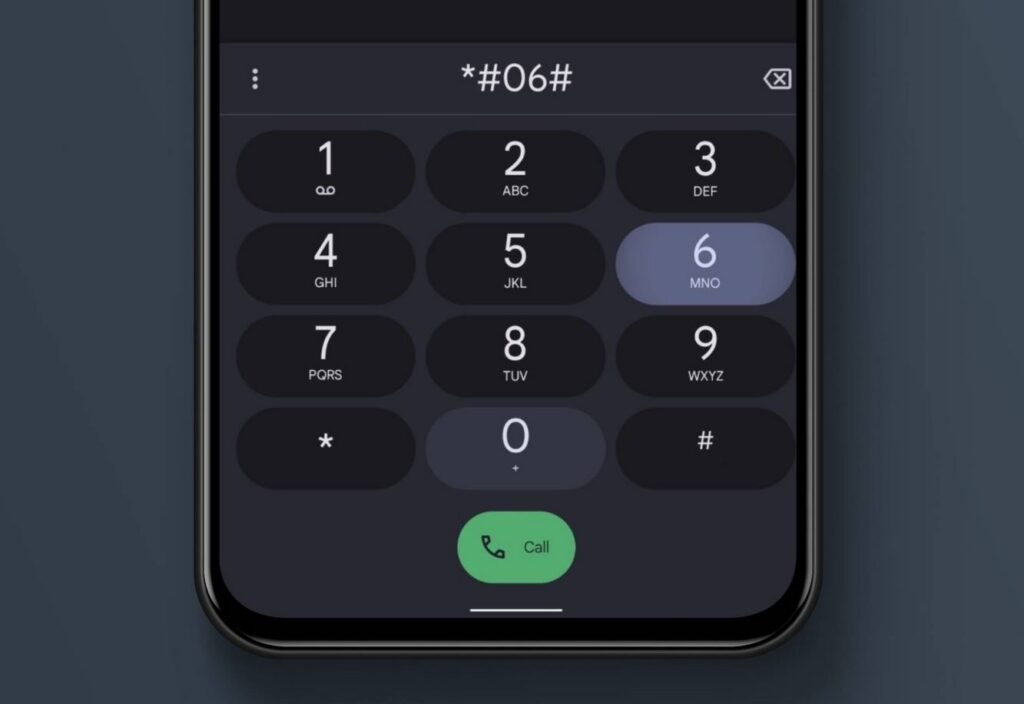
For now your IMEI is safe and you don’t need to go anywhere with it
My advice is simple: don’t panic, don’t fall for scary rumors, and wait for the official rules. As soon as everything is known, we’ll be the first to tell you all about it.