Last year I explained in detail why I bought the vivo X300 after five years on Xiaomi. In short: I wanted a compact camera phone, not another big brick with mediocre optics. Six months have passed. During this time, Xiaomi 17 came out, new competitors appeared, and I’ve accumulated enough impressions to say honestly: I have no regrets. In this vivo X300 review, I share what I’ve learned after six months of use.
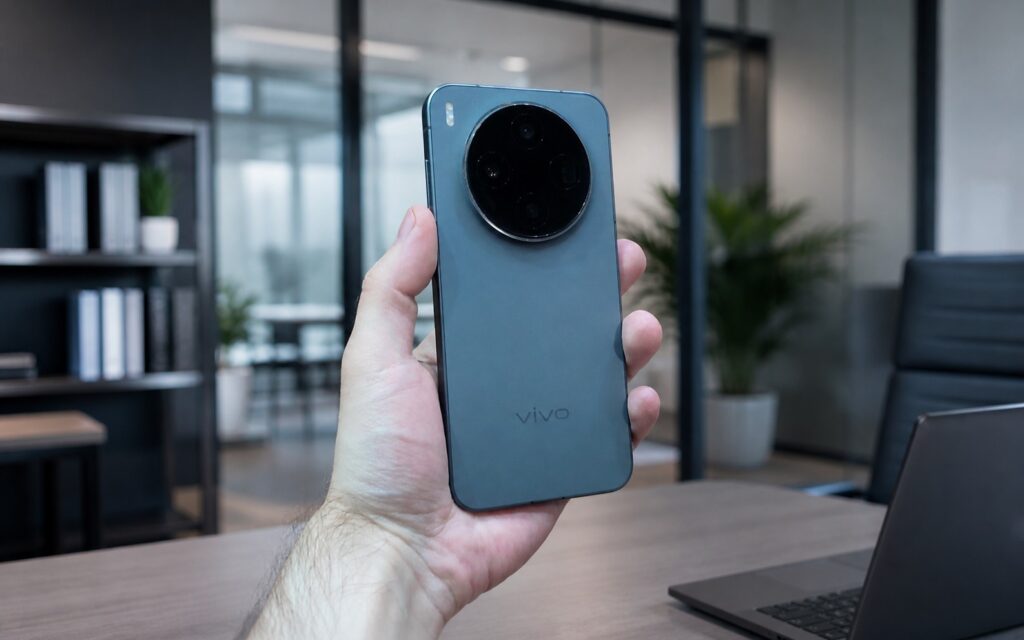
Bought the vivo X300 at the end of last year and still have no regrets
How Much Does vivo X300 Cost
I bought the vivo X300 smartphone in November 2025 for approximately 50,000 rubles. At the time, it seemed like a good price for a flagship with such specifications. Now, looking back, I realize: it was an excellent price.
The direct competitor (Xiaomi 17) currently sells for approximately 55,000 rubles. I’m glad I didn’t wait for its release: overpaying 5,000 rubles for a smartphone with a weaker camera seems strange. Among the best Chinese flagships of 2026, vivo X300 holds one of the top spots precisely because it offers the most for a reasonable price.

An excellent price for a full-fledged flagship
OriginOS Review
This is where the biggest surprise awaited me. On Xiaomi, I was used to HyperOS — a shell with lots of limitations, occasional ads, and updates where it was unclear what changed. OriginOS turned out to be a different world.
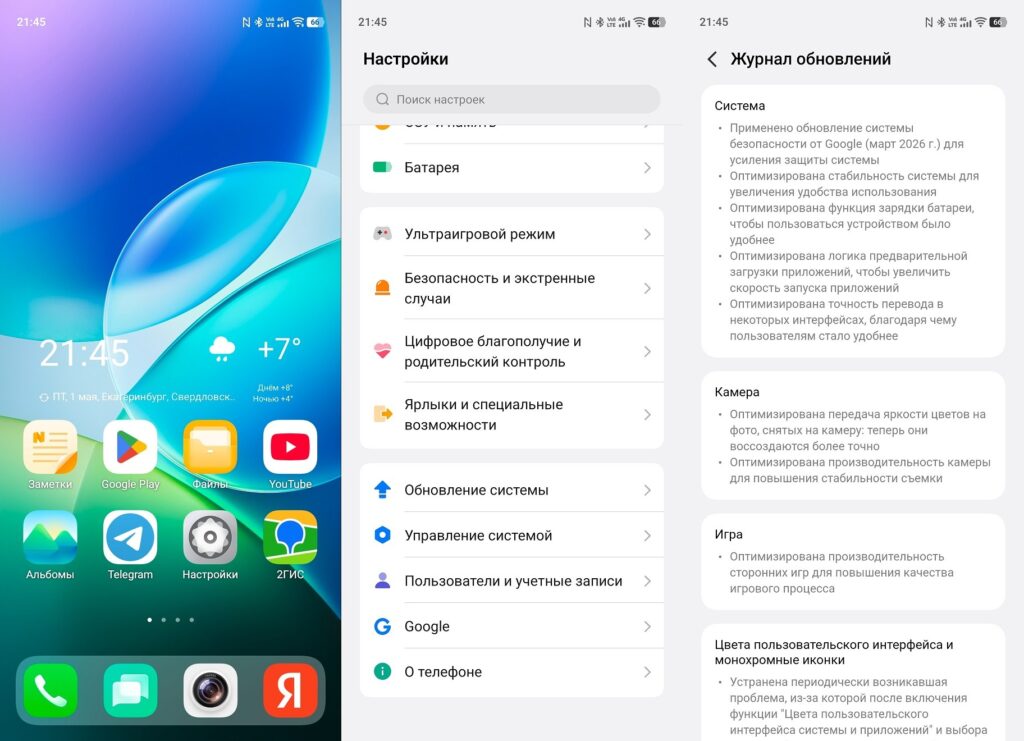
The shell is constantly optimized and gains new features
What stands out after six months of use:
- there are so many settings here that you could spend weeks customizing the phone (font size, animations, gesture behavior, memory management, all automation scenarios);
- there are absolutely no ads — not in system apps, not in settings, not when installing apps;
- updates come out every month, and each one includes a detailed changelog: what exactly was fixed, improved, and added. Not “stability improved,” but specific items;
- the system doesn’t slow down even after six months: no accumulated junk, no lags when unlocking.
HyperOS is a decent shell. But after OriginOS, I don’t want to go back to it. It’s like switching from a budget chair to a proper one — going back is uncomfortable.
How the vivo X300 Camera Shoots
The vivo X300 camera is the main reason I bought it. And after six months, it remains the main reason not to part with this smartphone.

The vivo X300 camera does really cool things
In short: the neural network processing sometimes overdoes it and makes photos look “plasticky.” That’s annoying. But when you turn off the aggressive AI mode and shoot in more neutral settings — the results are impressive.

And portraits on the vivo X300 are absolutely stunning
The phone’s trump card is the periscope telephoto lens with 3x optical zoom and 100x digital zoom. For comparison: the Xiaomi 17 has only 2.6x optical zoom, and its digital zoom doesn’t exceed 60x. The difference is noticeable in practice:
- shooting at 3x looks like a full-fledged optical shot without loss of detail;
- at 10x, the phone still maintains quality (you can shoot a bird on a tree or a sign on a building across the street readably);
- at 30x, digital degradation begins, but it’s quite acceptable for social media;
- 100x is for fun, not for work.
The main camera also doesn’t disappoint: in good lighting, photos come out vivid and detailed. At night, it performs decently, although flagships with larger sensors outperform it. Photos on the vivo X300 in everyday scenarios deliver a level of quality you quickly get used to and don’t want anything less.
Dimensity 9500 Processor Performance
When choosing the phone, one of the arguments against the vivo X300 was this: it has a MediaTek, not a Snapdragon. Supposedly, real flagships run on Qualcomm. Six months of use showed that this argument is outdated. The vivo X300 processor, the Dimensity 9500, handles everything I’ve thrown at it. Genshin Impact on maximum graphics settings without FPS drops. Call of Duty Mobile on ultra. Multitasking with a dozen open apps — no reloads or lags. The phone heats up slightly under load, but not to the point where it becomes a problem.
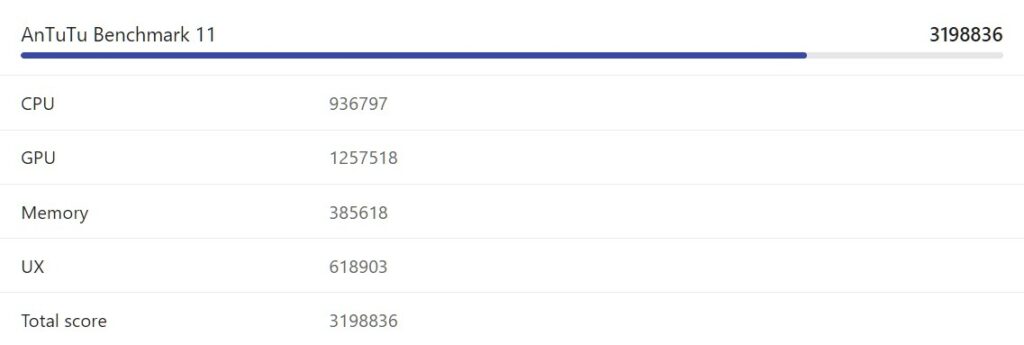
The phone is truly powerful, despite the MediaTek processor. Source: nanoreview.net
I want to especially highlight the app launch speed and photo handling. Photo processing after shooting is instant. Switching between the camera and gallery — no delays. This is exactly the behavior you expect from a flagship, and this is exactly what you get here.
Is It Worth Buying vivo X300 in 2026
After six months of use, the answer is unequivocal: yes. The vivo X300 in 2026 remains one of the best compact flagships on the market.